FILM AS A SUBVERSIVE ART: JUNE 2013

TWO PROGRAMS from ‘THE ATTACK ON GOD’.
MONDAY, JUNE 24TH – 7:30PM & 10PM
ONE NIGHT ONLY!

Can film make revolution? What use is it if it can’t? Film critic Amos Vogel’s seminal work, Film As A Subversive Art, published in 1974, is both an argument for and a catalogue of cinema that refuses, rebels and repulses. Film “designed to eradicate the reactionary values of an establishment that had proven its bankruptcy.”

Vogel died in April 2012. In his honor, Spectacle Theater and The New Inquiry will be hosting a series of talks and screenings, taking selections of many of the near-impossible to see films from his book. June’s screening will feature banned blasphemies, comic crucifixions, and other atheistic anarchy.

FEMALE KUNG FU MIDNIGHTS

FKF_banner

FEMALE KUNG FU MIDNIGHTS

In conjunction with our summer-long screenings of The Street Fighter Trilogy, we present three female-centered kung fu flicks in our midnights section that prove they can hit as hard as Chiba!

Starting with the direct spinoff SISTER STREET FIGHTER, continuing on with the blaxsploitation/kung fu hybrid TNT JACKSON, and concluding with the hyper-kinetic ‘Girls With Guns’landmark FIGHTING MADAM, these films represent some of the best in female-driven kung fu-sploitation.


SISTERSF_banner
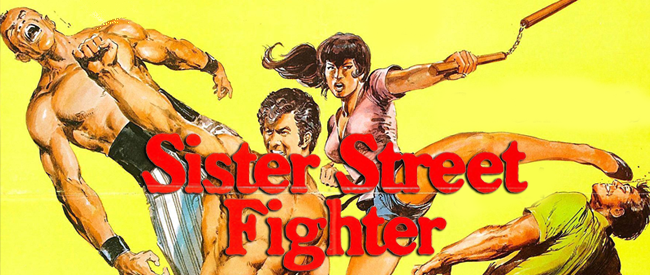
SISTER STREET FIGHTER
Dir: Kazuhiko Yamaguchi, 1974.
86 min. Japan.
In Japanese with English subtitles.
SATURDAY, JUNE 15TH – MIDNIGHT
ONE NIGHT ONLY!

Etsuko Shihomi IS Tina Long, a martial arts master seeking revenge on drug lords who kidnapped her agent brother. With the help of dojo partner Sonny Chiba (who pops in for a brief cameo), she breaks into the drug lords’s compound and must plow through a legion of henchmen, including a group of Thai kickboxers called the “Amazon Seven”-  in order to get to the bottom of the dungeon lair to fight the boss and save her brother.

Released immediately after THE STREET FIGHTER became an international success, SISTER STREET FIGHTER saw Japanese film giant Toei create a successful spinoff that eventually lead to multiple ‘Sister’ sequels of varying quality and success. The original, much like THE STREET FIGHTER itself, remains the best of the bunch.


TNT_banner
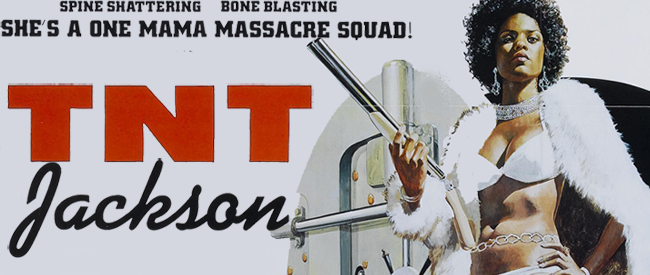
TNT JACKSON
Dir: Cirio H. Santiago, 1974.
72 min. USA.
COMING IN JULY!

A staple of the early 70s drive-in circuit, TNT JACKSON was schlock producer kingpin Roger Corman’s attempt to cash in on the blaxsploitation craze and remains a fitting example of the kung fu craze muscling its way into every 70s genre.

Martial arts expert Diana ‘TNT’ Jackson travels to Hong Kong to search for her brother’s killer. She soon discovers an underworld heroin smuggling operation that may lead her to the murderer.  Will she karate chop her way through an army of henchmen and come face-to-face with her brother’s assailant?

Starring afro-haired ass-kicker Jean Bell (the first African American Playmate) in a script originally written by legendary character actor Dick Miller (before Corman had it rewritten), the film makes zero attempts at production values and plot imagination (essentially the same setup as SISTER STREET FIGHTER) but does features a criminal amount of funky 70s wardrobes, cheesy kung-fu ‘whooshes’, and a completely illogical topless fight scene that ranks at the top of exploitation’s most gratuitous, trashy moments.

If Pam Grier is too expensive, then you best call TNT Jackson!


FIGHTINGMADAM_banner
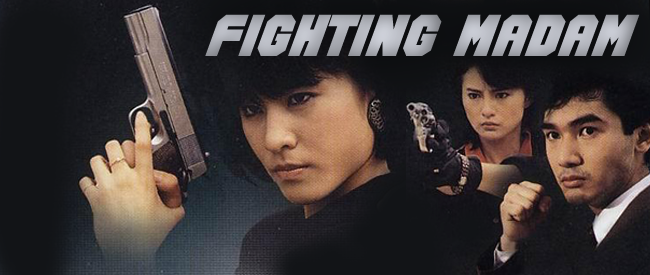
FIGHTING MADAM
(aka Angel, aka Iron Angels, aka Midnight Angels)
Dir: Raymond Leung & Teresa Woo, 1987.
93 min. Hong Kong/Taiwan.
In Cantonese/Mandarin with English subtitles.
FRIDAY, AUGUST 23 – MIDNIGHT

An Eastern 80s riff on ‘Charlie’s Angels,’ FIGHTING MADAM features a team of secret agents known as ‘The Angels’ attempting to take down an evil international narcotics organization posing as a mega-coroporation.

Produced at a crossroads for Hong Kong cinema between traditional kung fu and modern action, FIGHTING MADAM defined the ‘Girls With Guns’ sub-genre: an incredibly popular series of action films with all-female leads.

The simple plot setup is merely a template to work off for some of the most intense and insane set-pieces in all of action cinema. Featuring opium field battles, samurai sword clashes on speed bikes, ski-masked assassinations, fiery car crashes, reckless helicopter shootouts, and enough bare-knuckle brawling to fill 20 films, FIGHTING MADAM reaches unprecedented, operatic levels of expertly choreographed mayhem.

As we close out our summer-long tour of kung fu cinema, we salute what is surely one of the most batshit-crazy action films to ever emerge from Hong Kong.

Spectacle MANDATORY MIDNIGHTS presents: I BURY THE LIVING

i bury the living poster banner

Spectacle MANDATORY MIDNIGHTS presents:
I BURY THE LIVING
Dir: Albert Band, 1958.
76 min. USA.

FRIDAY, JUNE 14TH – MIDNIGHT
ONE NIGHT ONLY!

Albert Band contributed so much to the world of B-movies, not least of all his two sons, the Romulus and Remus of low budget genre cinema throughout the 80s and 90s, Charles and Richard Band. Long before Parasite, Re-Animator, Ghoulies, Puppet Master and the Full Moon video store onslaught of the 90s and 2000s, there was I BURY THE LIVING, a taphophilic delight starring Richard Boone (Have Gun Will Travel and the voice of Smaug in the 1977 Rankin & Bass version of The Hobbit)  and directed by the head of the Band bunch, Albert.

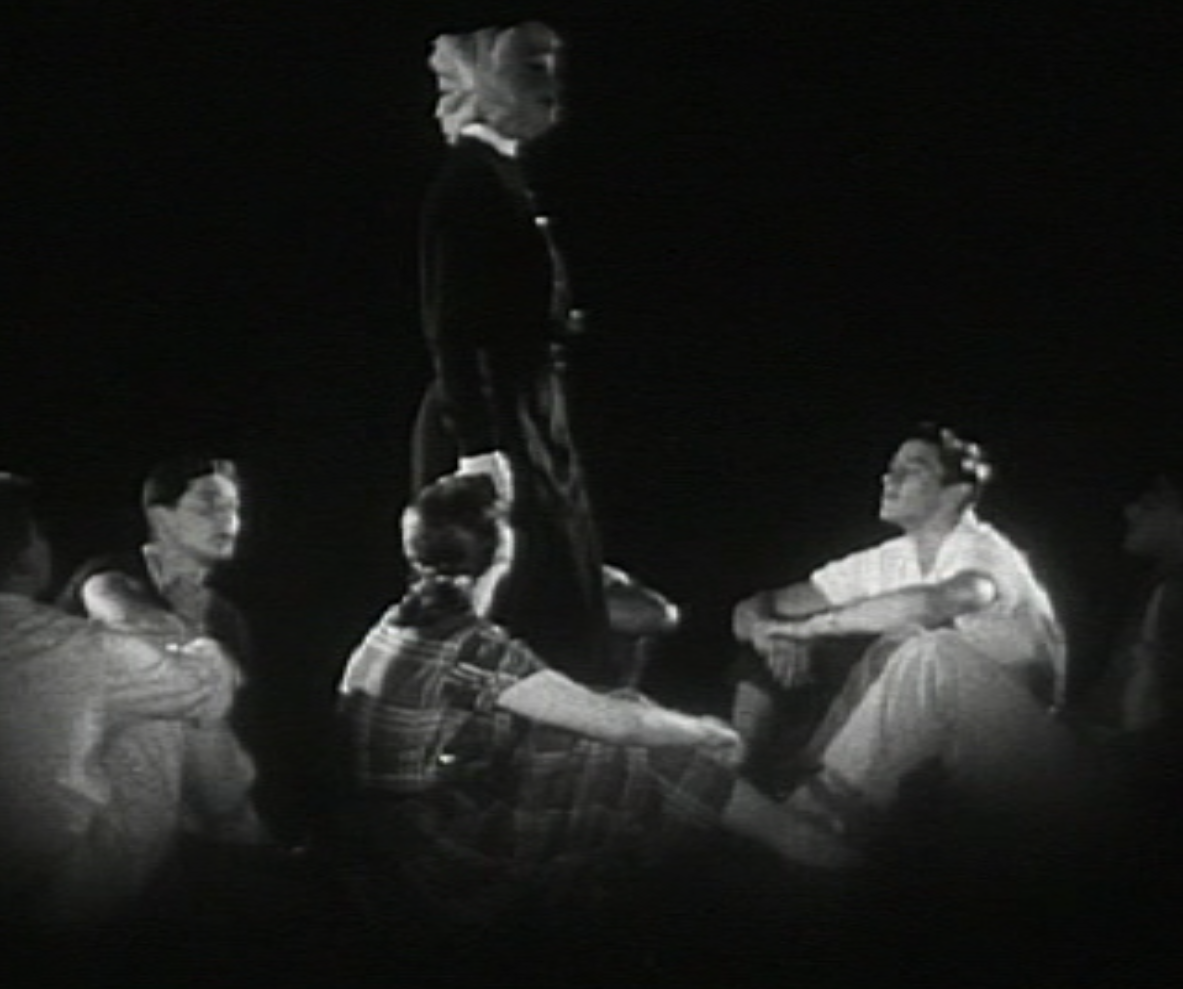
I BURY THE LIVING plays like an E.C. horror comic come to morbid life. A new caretaker at the Immortal Hill Cemetery begins to believe he holds the power of life and death in his hands. When the pins used as grave markers on the ominous cemetery map appear to predict the deaths of those around him. Is it merely coincidence or are sinister forces at work?

A tense and atmospheric descent into madness, I BURY THE LIVING is a lean, low budget treat with art direction that’s equal parts Man Ray and poverty row.  A must for lovers of great B movies and creepy cemeteries!

EPHEMERA: ACT NATURAL

EPHEMERA4banner

EPHEMERA: ACT NATURAL
1949-1972.
Approx. 80 min. USA.

SATURDAY, JUNE 8TH – 7:30PM
SATURDAY, JUNE 29TH – 7:30PM

No outlet served post-war American culture’s ebullient pride and prosperity better than that of the now-infamous educational film. Today these didactic artifacts are relegated to sideshow status by the likes of Pee-Wee’s Playhouse, Weird Al, MST3K and Adult Swim, all of whom freely lampoon these easy targets for their comically dated sensibilities.

EPHEMERA4_1

Our monthly EPHEMERA program aims to present these documents to a contemporary audience in perhaps a more even light, ideally free from the ironic framing that can easily overwhelm some of their more interesting details. Fortunately, the humor is irrepressible.

EPHEMERA4_2

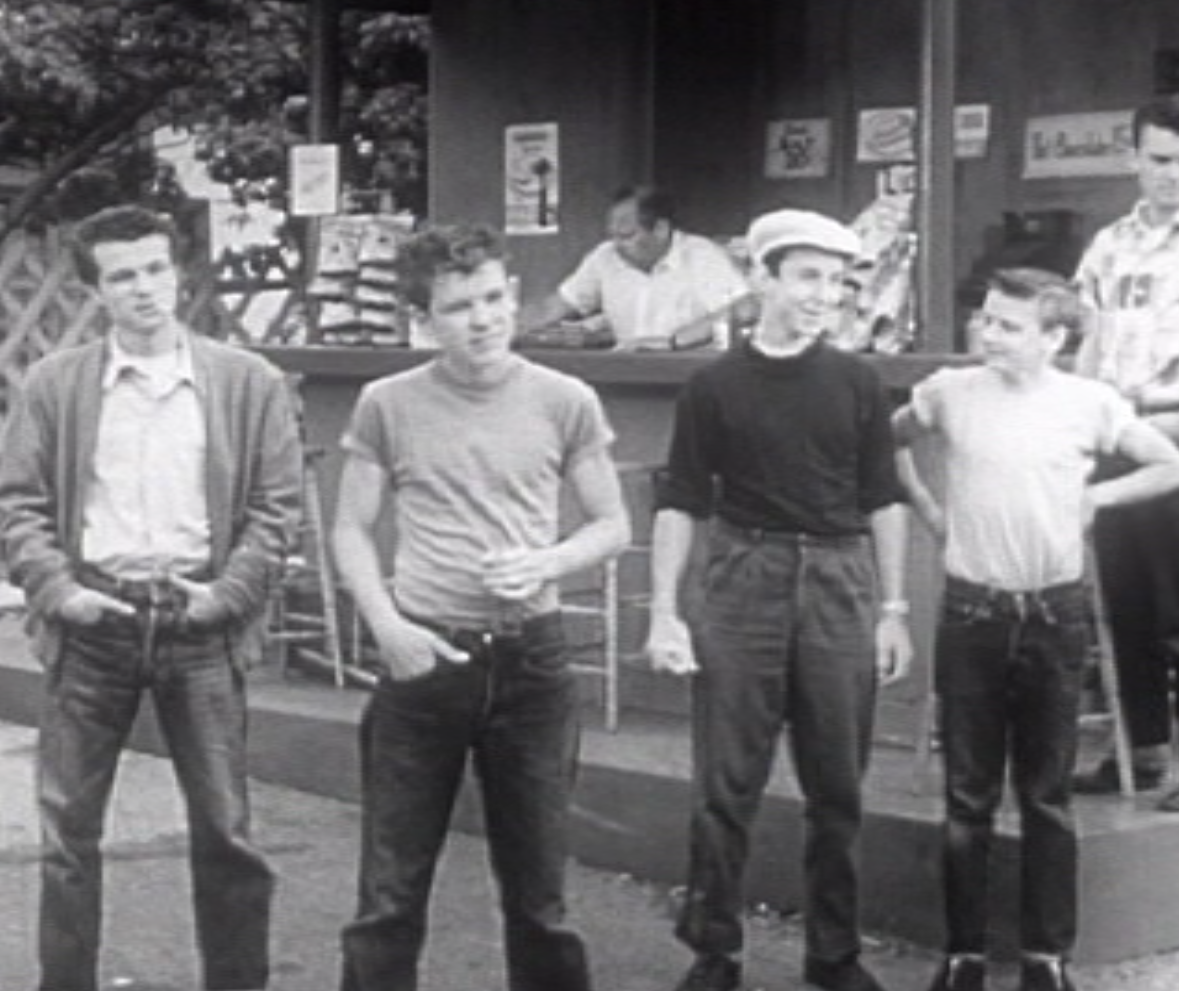
June’s installment ACT NATURAL compiles moments from the common theme of psychological and emotional unease, particularly in adolescence. How best can Tom, Dick and Jane navigate the rough terrain of daily social interaction, family dynamics and self-actualization? If there must be something wrong with me, are things ever going to be okay?

EPHEMERA4_3

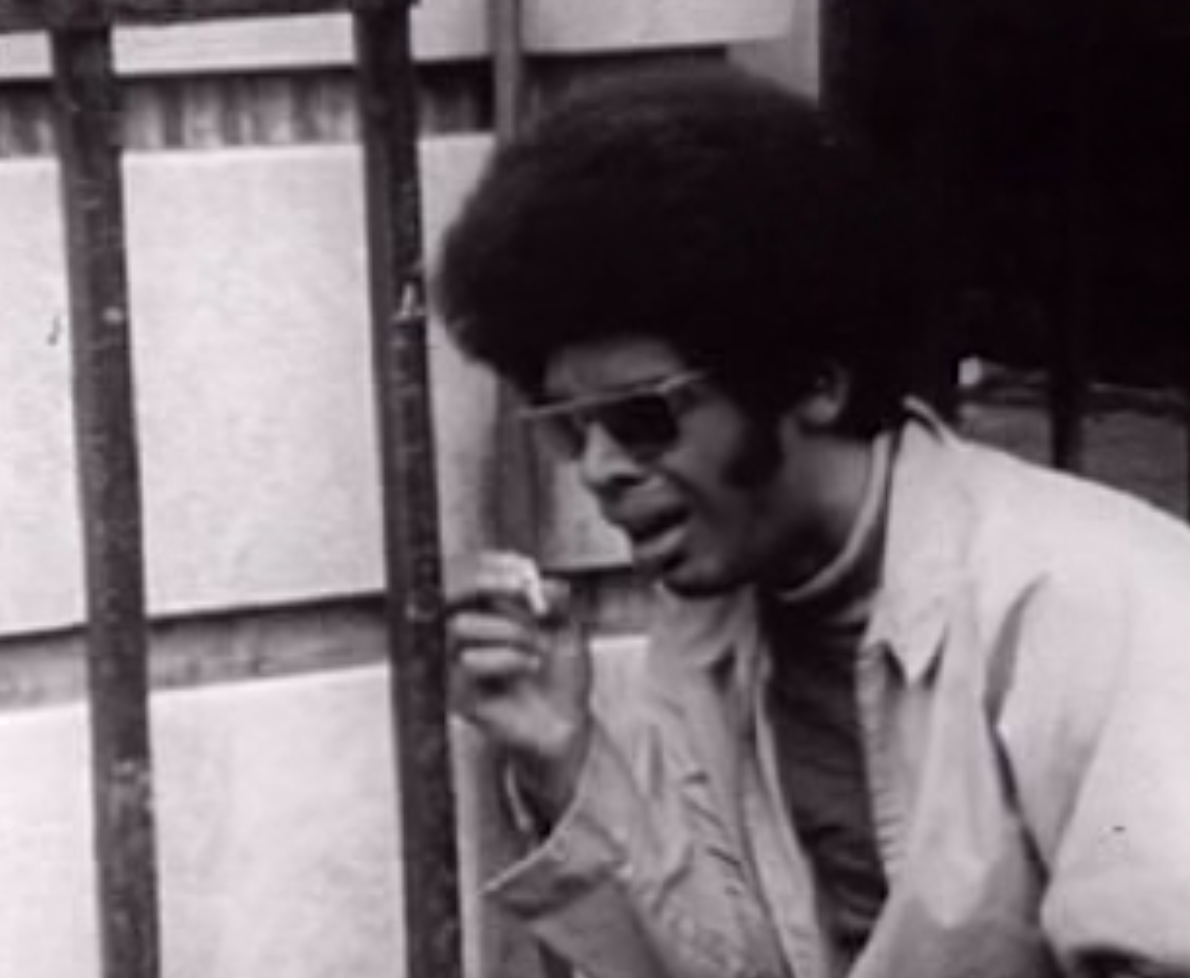
Preceding the feature collage will be the short WHY DOESN’T CATHY EAT BREAKFAST? (1972, 4m, Color, USA), a puzzling and surreal PSA that manages to eerily dance around its core theme of childhood body consciousness.

EPHEMERA4_4

Sources for ACT NATURAL include: Angry Boy (1950), Boy With A Knife (1956), Facing Reality (1954), Habit Patterns (1954), Jealousy (1954), Keeping Mentally Fit (1952), The Outsider (1951), Self-Conscious Guy (1951), Stage Fright (1949) and more!

EPHEMERA4_5

Special thanks to the Internet Archive, Rick Prelinger and everyone at the Prelinger Archive.

Rick Prelinger began collecting “ephemeral films”—all those educational, industrial, amateur, advertising, or otherwise sponsored—in 1982, amassing over 60,000 (all on physical film) before his Prelinger Archive was acquired by the Library of Congress in 2002. Since then, the collection has grown and diversified: now it exists in library form in San Francisco and is also gradually being ported online to the Internet Archive (http://archive.org), where 3,801 of its films are currently hosted (as of this writing).

Of course, the content of the Prelinger Archive’s films varies in accord with the variety of mankind. Historic newsreels, mid-century automobile infomercials, psychological experiments, medical procedurals, big oil advertisements, military recruitment videos, political propagandas, personal home videos, celebrity exposes, amateur narratives, scientific studies, war bulletins, instructional films, special interest op-eds, safety lessons, hobby guides, travel destination profiles and private industry productions all sit comfortably together in one marginalized category.

FROM THE EAST

FtEbanner

FROM THE EAST
(aka D’Est)
Dir: Chantal Akermam, 1993.
110 min. France.
In French with English Subtitles.

Presented with Icarus Films

SUNDAY, JUNE 9TH – 10:00 PM
TUESDAY, JUNE 18TH – 8:00 PM

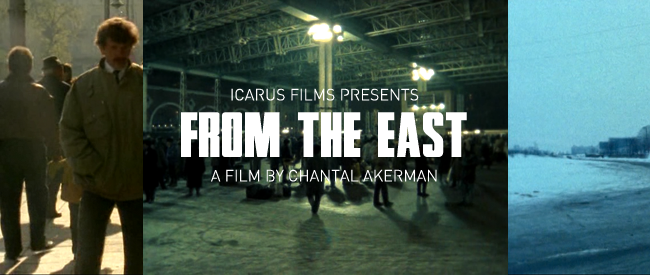
From footage gathered in the course of her travels throughout the former eastern bloc, Akerman created FROM THE EAST (D’Est), a still, solemn depiction of the twilight of Soviet society. The film’s pace and rhythm carry a unique message about a way of life that is now lost. By stepping away from the large political narratives of the Cold War and relying solely on the power of images and sequences, she created a film that will forever serve as the antibody to all easy generalizations about communist society.

BETTER THAN JAWS WEEKEND

Sometimes the success of a film can spawn a whole sub-genre. In the case of Jaws, for all its evil impact it did have one very positive effect:JAWS RIP-OFFS! And this weekend at Spectacle we have the best and most notorious of the bunch.

BETTER THAN JAWS WEEKEND! ONLY AT MIDNIGHT! ONLY AT SPECTACLE!
grizzly resize

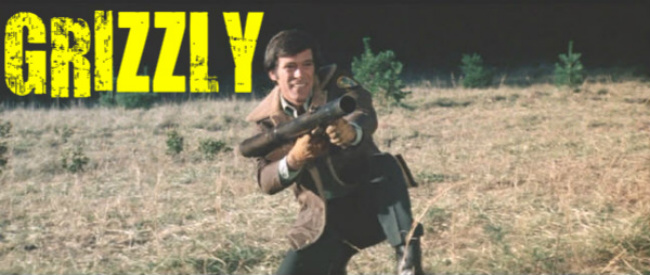
GRIZZLY
Dir: William Girdler, 1976.
90 min. USA.

FRIDAY, JUNE 7TH – MIDNIGHT
ONE NIGHT ONLY!

The film’s title star will be in attendance for Q&A with William Girdler expert Jon Dieringer of Screen Slate.

In 1975, Universal Pictures released a movie called Jaws. Okay, that’s pretty cool if you’re into the beach, I guess.

BUT in 1976 something really amazing happened. William Girdler (The Manitou, Day of the Animals), a filmmaker with the uncanny knack of improving upon the efforts of others created the masterpiece of BEAR-sploitation: GRIZZLY.

So, basically plot-wise we have … well, have you ever seen Jaws? Well, this is Jaws with a GRIZZLY BEAR — JAWS WITH CLAWS!

Tourists are out in record numbers to enjoy some camping and hiking in a National Park, but deforestation, pollution, and other terrible things that humans do when they go camping have caused this bear to lose its damn mind, and now this 7-foot mother is tearing the arms and legs off nature lovers faster than you can say “pic-a-nic basket.” Now, it’s up to Christopher George (City of the Living Dead, Graduation Day) to convince the greedy park supervisor to evacuate the park and get the grizzly before he saunters up to the human buffet for another helping.

But why is Grizzly better than Jaws? Why do we love the rip-offs more than the originals? Let’s just say William Girdler is our Pierre Menard but his Quixote has more BLOOD, FLYING LIMBS, and ROCKET LAUNCHERS.

In short, GRIZZLY kicks ass.

GRIZZLY is slick, fun, warm, and filled with familiar faces of the ’70s, including Andrew Prine and Richard Jaeckel. Don’t let the gloss fool you, though. This bear has claws, and Girdler’s got the goods when it comes to what we want from a good Jaws rip off: scenes of male bonding and plenty of vicious animal attacks!

Come enjoy this Exploitation-sploitation masterpiece by the master of high-class rip-offs that deliver!

last shark banner

THE LAST SHARK
Dir: Enzo G. Castellari, 1981.
88 min. Italy.
In English.

SATURDAY, JUNE 8TH – MIDNIGHT
ONE NIGHT ONLY!

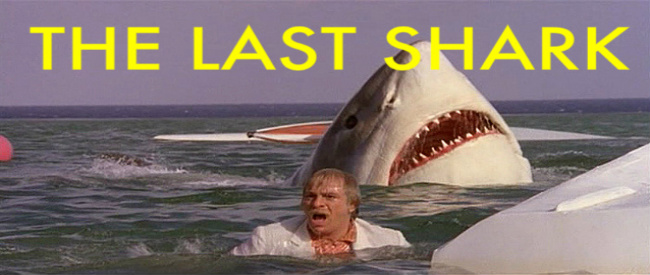
From hard hitting Italian genre genius Enzo G. Castellari comes the most uncanny of all Jaws clones, THE LAST SHARK (L’ultimo squalo). This one swam so close to the original that Universal Pictures slapped a big fat lawsuit on the distributor and pulled the movie from American screens shortly after its release. Universal cried plagiarism, but we all know the real reason- they were scared!

Why?

Two reasons: this shark is really, really scary and VIC MORROW. That’s right, trash movie martyr Vic Morrow brings his intense presence to the aquatic proceedings as a grizzled shark whisperer. Is he Irish, is he Scottish? Who knows, but he’s got a brogue and he hates sharks. Sound familiar? Well, the similarities don’t end there, trust me.

You know the story, but it’s the style that makes this one shine. Castellari’s impeccable penchant for slow motion, gorgeous photography, and perfectly realized action all add up to a slick, ultra Italian entry into the “hey, this is pretty much Jaws” sub-genre.

And forget John Williams, Castellari’s frequent collaborators, the brilliant De Angelis brothers, provide their signature funky sounds to this baby, including the KILLER theme.

Unavailable on video in the U.S. for years, The Spectacle plucks THE LAST SHARK out of import laserdisc limbo and puts it back on the screen! Kick the summer off right and say “GO TO HELL BIG MOVIE STUDIOS!” The originals may be owned by the majors, but the rip-offs belong to the people!


MR. NO LEGS

NOLEGS

MR. NO LEGS
(aka The Amazing Mr. No Legs)
Dir: Ricou Browning, 1979.
86 min. USA.

SATURDAY, JUNE 1ST – MIDNIGHT
ONE NIGHT ONLY!

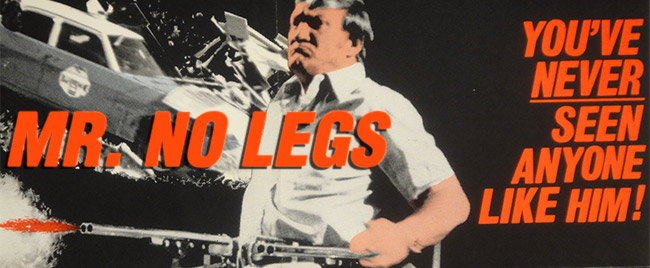
Set in the ugliest Tampa imaginable, MR. NO LEGS follows two self-righteous police detectives (one with the obligatory porn-stache) tracking dope dealers and corrupt fellow cops, while trying to stay out of the clutches of unstoppable mob enforcer. Mr. No Legs, a martial arts master with many a violent trick hidden up his sleeves—and wheelchair, including shotguns, switchblades and ninja stars!

Meanwhile, racists start a rumble in a bar involving midgets and drag queens, whores get into broken bottle fights, and everyone double-crosses everyone else. Mayhem galore!

Featuring a shameless cast of B- and C-listers, including Richard Jaeckel, Lloyd Bochner, John Agar, Rance (Ron’s dad!) Howard, and real-life double amputee Ted Vollrath as the snarling No Legs.

It’s a convoluted, ultraviolent, tasteless, trashy B-movie actioner that was directed by the Creature from the Black Lagoon! That’s right, director Ricou Browning was the former Olympian who found fame in Hollywood playing the Gill Man for Universal Studios, and later supervised the underwater sequences on the TV show Flipper.

Mean-spirited and vicious, Mr. No Legs is the finest sort of exploitation cinema.

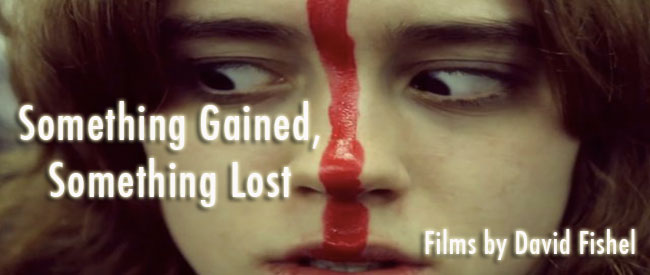
KINETIC CINEMA: SOMETHING GAINED, SOMETHING LOST

KC-JUNE-BANNER

KINETIC CINEMA: SOMETHING GAINED, SOMETHING LOST
Dir: David Fishel
Approx. 90 min. USA.

WEDNESDAY, JUNE 19TH – 8PM
ARTIST IN ATTENDANCE!
ONE NIGHT ONLY!

With the cinema industry currently in a state of turmoil over funding and over-dependence on CGI, there exists a strong desire to reject modern expectations and to reach toward methodologies of the past. In his program for Kinetic Cinema cinema, filmmaker David Fishel questions current expectations in cinema technology, and whether we are making an unfair trade off in our quest for ever more pristine HD clarity:

“I am routinely asking myself: How does one make work that remains contemporary and embraces the tools of tomorrow without forgetting the techniques and wisdom of the past? Likewise, in a present when access to high-end gear is more common place, is the spectacle of beauty lost? Can one be heard amongst the cacophony of content?”

David Fishel is a NYC based filmmaker/ video-artist who dabbles as an absurdist poet, animated storyteller, experimental sound artist, and obnoxious performance artist. Mr. Fishel is a graduate of University of Iowa where he focused his studies in Cinema and Comparative Literature and Intermedia / Performance Art. Fishel has worked and collaborated with Hans Breder, Phil Niblock, Thinkdance, Luke Murphy, Jason Batemen, John Kolvenbach, and The Hatch-Billops Collection.

& OTHER WORKS: JUSTIN LIEBERMAN

JL_banner

WEDNESDAY, JUNE 26TH – TWO SHOWS – 8PM & 10 PM
ARTIST IN ATTENDANCE!
ONE NIGHT ONLY!

JUSTIN LIEBERMAN: THE DISHWASHER’S SONG & OTHER WORKS from Spectacle Theater on Vimeo.

“& Other Works” is a series of screenings focusing on video and film from contemporary artists, organized by C. Spencer Yeh.

“& Other Works” seeks out artists’ efforts which invite and evoke the cinematic experience, yet are typically looped on crowded walls or locked up in online isolation. “& Other Works” screens beginning to end, in an informal but focused communal viewing experience. In other words – “film, folks, fun.”

For June, we welcome artist Justin Lieberman, who will be in attendance.

THE DISHWASHER’S SONG
Dir. Justin Lieberman, 2002.
17 min. USA.

THE DISHWASHER’S SONG was created over a nine month period while Lieberman worked at the Maharishi Spiritual Center of America in North Carolina. Employed as a  dishwasher (surprise!), Lieberman was tasked with discarding the leftover food from the center’s meal services each night, a ritual he began documenting on video. The resulting culinary downpour conjures thrills from volatile modernist sculpture, to the inventive viscera of gonzo gore movies; an aggregated topography of consumption and meditative essay on the backside of the enlightenment machine.

To cook up the perfect kitchen radio soundtrack, Lieberman plundered via Napster (remember, it’s the early 2000s), collecting and collaging pop music instances of “yeah,” “baby,” and “no.” These three exclamations weave in and out of the fore, composing a colorful choir of cultural cacophony.

Originally presented as a multi-channel audiovisual installation, THE DISHWASHER’S SONG has been adapted into a single-channel work in collaboration with the artist especially for this screening. The mantric excretions of THE DISHWASHER’S SONG build to sustained climax from this presentation; your appetite won’t.

&OW_JLIEBERMAN_SCREEN_3

THE VISITOR
Dir. Justin Lieberman, 2004.
10 min. USA.

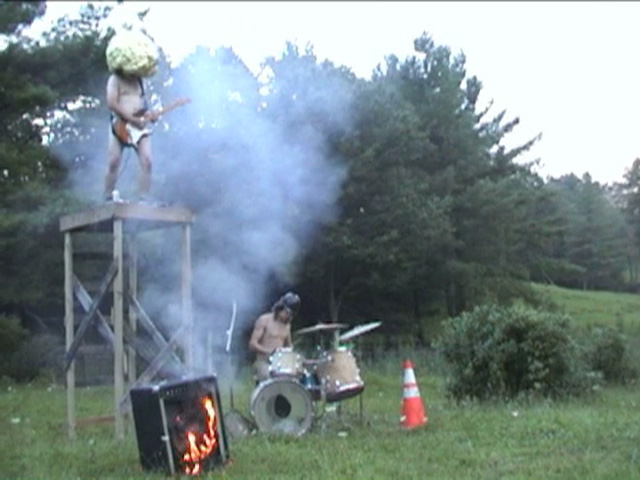
THE VISITOR casts Lieberman as a diapered brain alien crash landing straight into a backwoods summer fantasy informed by Easy Rider, El Topo, Fire in the Sky, and the Joseph Beuys joint I Like American and America Likes Me. A cameo from Brion Gysin’s Dream Machine consummates this compact fable of loving a visit, but hating the life.

&OW_JLIEBERMAN_SCREEN_2

FIRST THOUGHT, THEN SUSTENANCE
Dir: Justin Lieberman, 2007.
11 min. USA.

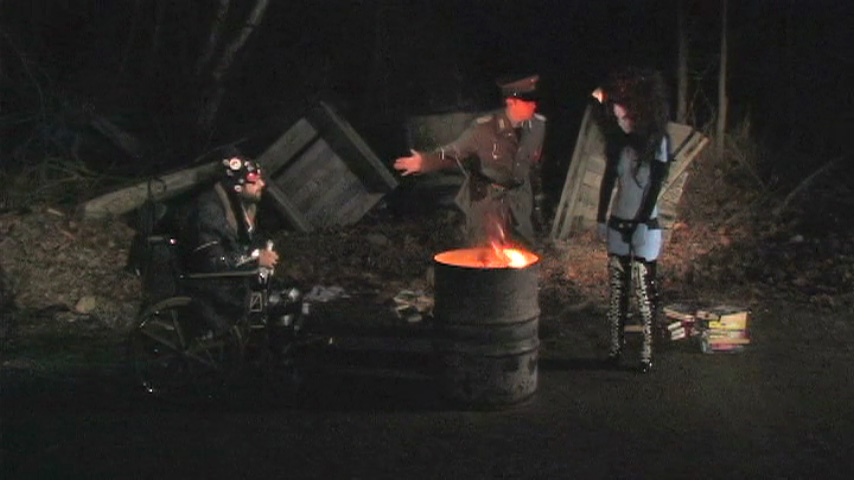
FIRST THOUGHT, THEN SUSTENANCE is described by Lieberman as “something of a structuralist narrative made in collaboration with the artists Jacques Louis Vidal and Kembra Pfahler.” A homeless man in a wheelchair, an SS officer, and a performance artist (Pfahler in full Voluptuous Horror garb) take turns tossing books into a shared oil can fire, while tossing off lines plundered from Bartlett’s Familiar Quotations.

&OW_JLIEBERMAN_SCREEN_1

THE BATH 2051
Dir. Justin Lieberman, 1997.
10 min. USA.

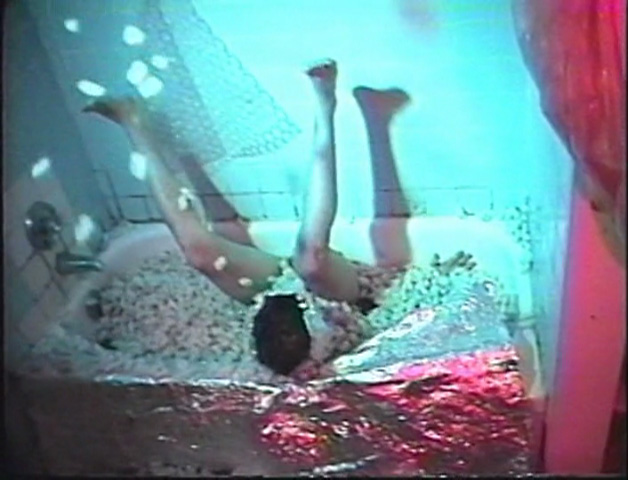
THE BATH 2051 = Aluminum foil Tetsuo cosplay vibes waft through a Jack Smith-haunted bathroom performance document, in Lieberman’s first official video effort.

&OW_JLIEBERMAN_SCREEN_4

Justin Lieberman is an artist, teacher, activist, curator, and critic who has worked extensively in the US and Europe. He has held faculty positions at the School of the Museum of Fine Arts, Boston, Queens College, New York, and Brandeis University, Waltham. He has presented numerous solo exhibitions of his work in New York, Los Angeles, Chicago, Boston, Miami, London, Paris, Brussels, Geneva, Athens, and Klagenfurt, among others. His work has been reviewed in publications including Artforum, Art in America, The Poetry Project Newsletter, Triple Canopy, Frieze, Useless, Art Review, The New York Times, Bomb, Le Monde, and Le Journal, and is the subject of a monograph published by JRP Ringier.

FILM AS A SUBVERSIVE ART: MAY 2013

FILM AS A SUBVERSIVE ART: MAY 2013
SELECTIONS FROM THE CHAPTER ‘EASTERN EUROPEAN LEFT & REVOLUTIONARY CINEMA’
WEDNESDAY MAY 15TH — PROGRAM 1 at 7:30PM & PROGRAM 2 at 10PM

The subversive and revolutionary cinema that emerged from Eastern Europe in the sixties and seventies is an incredibly original, bizarre, opaque, bodily and nihilistic cinema. Free of the Maoist and Internationalist errors that haunt much of the Western left in the period, and somewhat removed from the aesthetic battles typified by the Western “new waves”, many of the films of revolt against actually existing socialism, often created under conditions of censorship (direct and indirect), are surreal to the point of unintelligibility.

Among the most haunting and destabilizing works to emerge from the long sixties, these films are not dogmatic nor “political” so much as non- or anti-polemical. Meandering, frightening, and deeply experimental, these films sometimes feel as though they emerge directly out of desire itself, an explosion of mysterious flows and forces which attempt to smash the bureaucratic maintenance of survival that called itself life in a worker’s nation.

If capitalism pointed to the individual’s accumulation of things as proof of its success, state-socialism preferred to accumulate reports of collective achievement and productivity. Thus this Eastern European cinema opposes itself both to accumulation and political proclamation, preferring disoriented and ecstatic explorations of subjectivities that refuse official conceptions of the collective and bourgeois notions of the individual.

They also have the distinction of rebelling against a dead regime—while the spectacle transforms itself in order to consume its critics, from which you could argue that every regime which is fought against is “dead” if the subversion does not end in its overthrow, the end of state-socialism has been more thorough and total—throwing the question of their continuing power as revolutionary works into stark relief.

In our monthly series, Film as a Subversive Art, we’ve been looking at films from Amos Vogel’s book of the same name. This month we’ll look at films from the chapter “Eastern European Left and Revolutionary Cinema”. Join us for a night of upended totalities, destroyed symbols, naked desires and total tactical opacity.