ALVARO PASSERI DOUBLE FEATURE


After working as a set designer and visual effects artist for the likes of Luigi Cozzi and Ruggero Deodato in the 1980s, Alvaro Passeri directed a series of singularly bizarre sci-fi features around the turn of the millennium. His films were the inverse of the popular genre blockbusters of the period – never scaling his ambitions to meet his budget, Passeri developed a distinct style based on rubbery body horror and a permanently canted fish-eye lens. While he is best known for the video rental staple CREATURES FROM THE ABYSS (aka PLANKTON), Spectacle is proud to present two of his lesser-known features for a one-night blowout.

These films will screen in-theater as well as simultaneously at stream.spectacletheater.com.

FLIGHT TO HELL
Dir. Alvaro Passeri, 2002
86 min. Italy.
In English.

FRIDAY, SEPTEMBER 24 – 7:30 PM
ONE NIGHT ONLY!

The obnoxious inhabitants of a flying casino face an infestation of parasitic bugs in Passeri’s followup to MUMMY THEME PARK. Abandoning the latter’s near-exclusive reliance on practical effects, FLIGHT shows Passeri experimenting with digital animation – his trademark visual style translates surprisingly well to the medium, offering a unique take on the sub-ILM polygonal creations which were rife among direct-to-video horror offerings in the early 2000s.

As per the DVD box:

Don screams out as a horrific monster is about to eat him alive! But then he wakes up. It’s only a dream! That day he boards his private plane, a flying casino, that caters to the needs of fantastically rich clients who want to play for high stakes at high altitudes. But then the plane is engulfed in a strange thick fog that seeps into the cabin. The evil mist transforms the passengers and crew one by one into monstrous half human, half insect creatures with a ravenous appetite for human flesh. Don realizes that it is his nightmare come true – it is his FLIGHT TO HELL!

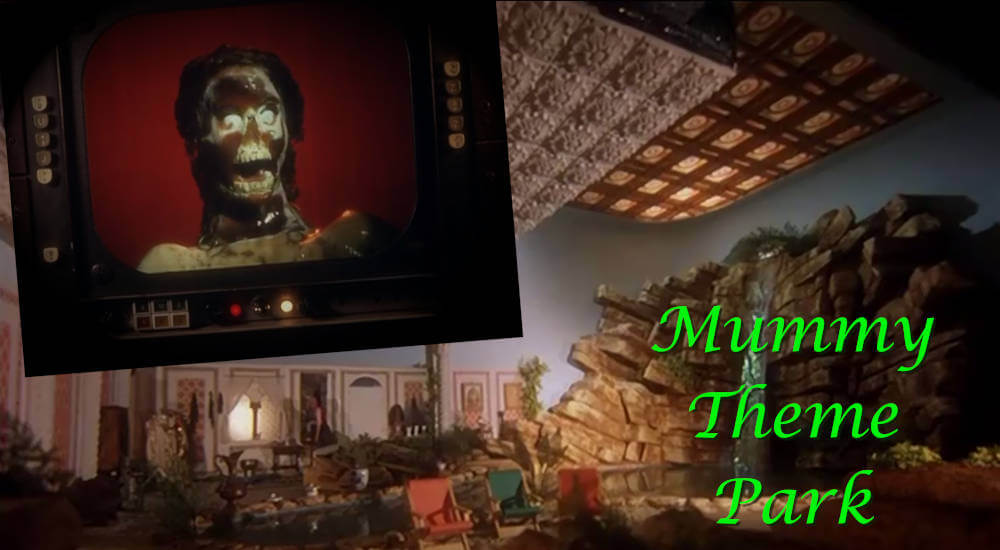
MUMMY THEME PARK
Dir. Alvaro Passeri, 2000
86 min. Italy.
In English.

FRIDAY, SEPTEMBER 24 – 10 PM
ONE NIGHT ONLY!

“It would not be too bold to declare this film the Francis Ford Coppola’s BRAM STOKER’S DRACULA of Italian mummy movies.” – Senseless Cinema

A garish amalgam of Westworld and The Mummy, Passeri’s 2000 masterpiece addresses the controversial practice of planting microchips in mummies in order to staff fantasy theme parks. Transcending its influences, the film boasts a uniquely queasy visual style crafted from greasy animatronics and a painfully saturated color palette. The plot concerns two dimwitted American journalists caught in the meltdown of the titular Mummy Theme Park – this, of course, is of secondary significance aside the exercise in discount worldmaking achieved through Passeri’s fabric-store scenography and a script rife with non-sequiturs.

THE FILMS OF SARAH MINTER

In conjunction with our Spectober presentation of Mexican filmmaker Emiliano Rocha Minter’s 2018 feature WE ARE THE FLESH, Spectacle is thrilled to revisit the seminal works of his mother, video artist and filmmaker Sarah Minter (1953-2016). Minter’s lightly fictionalized punk films NADIE ES INOCENTE and ALMA PUNK (as well as shorts codirected with her then-partner Gregorio Rocha, also included in this series) served as testimony to teenage nihilism, crumbling infrastructure and a new generation of olvidados on the margins of society.
NADIE ES INOCENTE
(NO ONE IS INNOCENT)
dir. Sarah Minter, 1985-87
55 mins. Mexico.
In Spanish with English subtitles.

Saturday, October 2 – 5pm
Thursday, October 28 – 7:30pm

ONLINE TICKETS

STREAMING AT STREAM.SPECTACLETHEATER.COM
Monday, October 11 – 7:30pm

No hay
no hay futuro
No hay
No hay amor
No hay
No hay cemento
Yey yey
Los mierdas soy yo

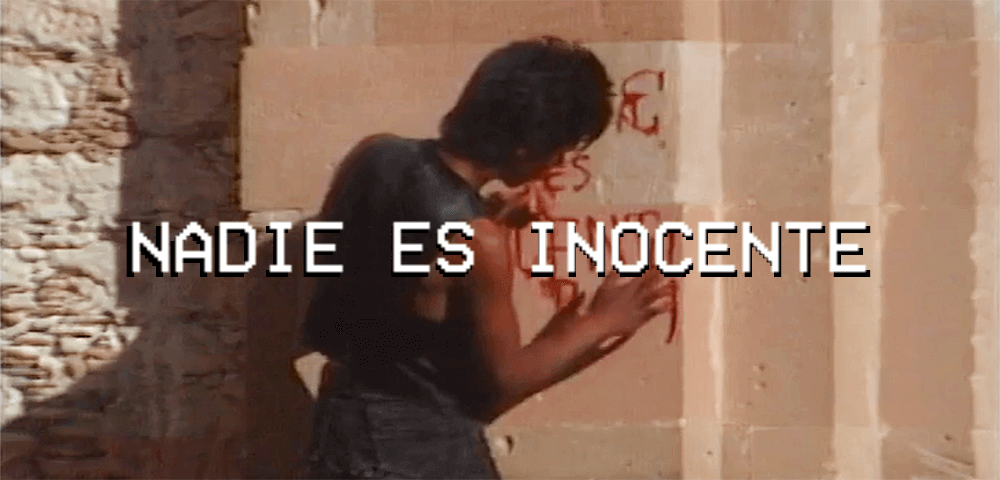
Sarah Minter’s no-future classic NADIE ES INOCENTE is a fictionalized document of the chavos banda (youth gang) punk community in the slums of Mexico City’s Ciudad Nezahualcóyotl (also known as Neza York) shot on Betacam over a number of years. Minter structures the film around bad trip of a reformed punk named Kara as he takes the train from Neza back to the main city; delivered in both flashback and voiceover monologue, his memories serve as desolate testimony from an apocalyptic adolescence. NADIE ES INOCENTE was written and performed in collaboration (Minter would later say, complicity) with the young Mierdas Punks who play themselves onscreen, and betrays Minter’s extraordinary access. The film also repurposes 16mm concert footage from her collaboration with Gregorio Rocha SABADO DE MIERDA (SATURDAY OF SHIT), using slow motion and inventive sound editing to give big-screen gravitas to handheld shots of desert throwdowns as Kara’s self-extinguishing memories. Shown and distributed locally on VHS in New York City by Karen Ranucci’s Downtown Video for years before it was seen in Mexico, NADIE ES INOCENTE is a remarkable and unsentimental depiction of teenage life and urban displacement.

screens with
SAN FRENESI
(SAINT FRENZY)
dirs. Sarah Minter and Gregorio Rocha, 1983
34 mins. Mexico.
In Spanish with English subtitles.

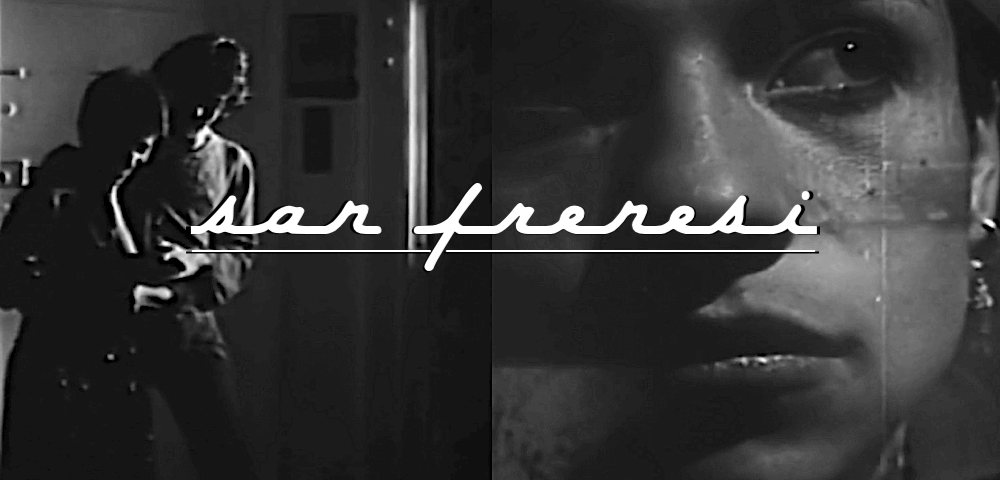
Starring Maribel Mejia as a young woman who goes on a road trip reeling from a string of heartbreaks and bad relationships, Minter’s early collaboration with her then-partner Rocha feels more apiece with the French New Wave influences of a successive generation. (She spoke admiringly about Godard in an interview, but described her later ideas as more directly influenced by Dziga Vertov.) There isn’t a ton of evidence of the staccato editing that would mark NADIE ES INOCENTE, but one prolonged sex scene – in which a furiously edited sequence of sound effects takes center stage over abstracted imagery – can only hint at the individual liberation to follow.
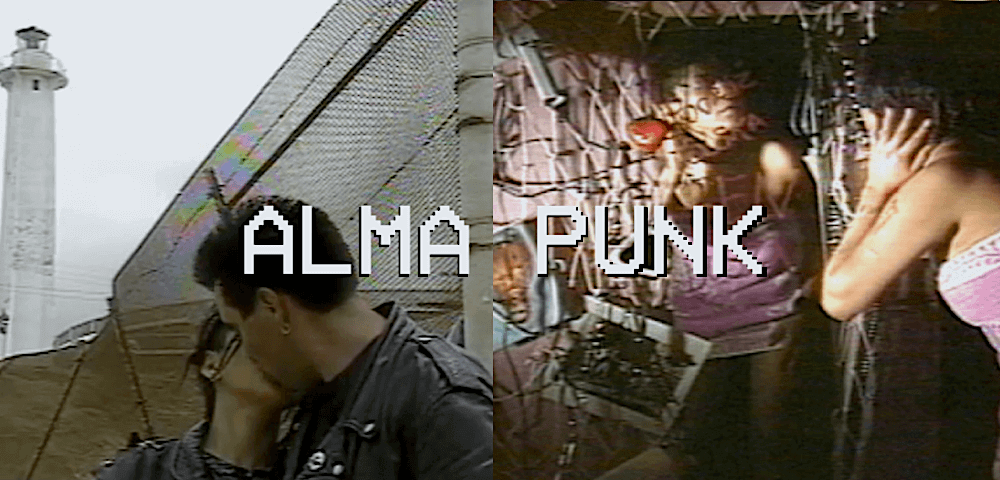
ALMA PUNK
dir. Sarah Minter, 1991-92
56 mins. Mexico.
In Spanish with English subtitles.

Saturday, October 2 – 10pm
Thursday, October 14 – 7:30pm
Friday, October 22 – 7:30pm

ONLINE TICKETS

STREAMING AT STREAM.SPECTACLETHEATER.COM
Tuesday, October 12 – 7:30pm

Part-improvised and starring a cast of nonactors led by real-life punk Ana Hernandez (as Alma, which also means “soul”), ALMA PUNK traces the tortuous path of a young riot grrl from the Mexico City punk scene as she moves north to Tijuana and, eventually, towards the United States. It confidently breaks with the rules of staging docudrama with an unsparing look at Alma’s love life, unfakeable scene bohemianism and extensive location footage of Mexico before NAFTA and after the 1985 earthquake. “I feel like no one is supporting me,” Alma says. “Guys want everything and give nothing in return. Isn’t that so?” Like NADIE ES INOCENTE, this film uses the intimacy and flexibility of video (this time, 3/4″) to wring innovation in the editing room, this time to give Alma a similarly alienated and jittery headspace.

(screens with)
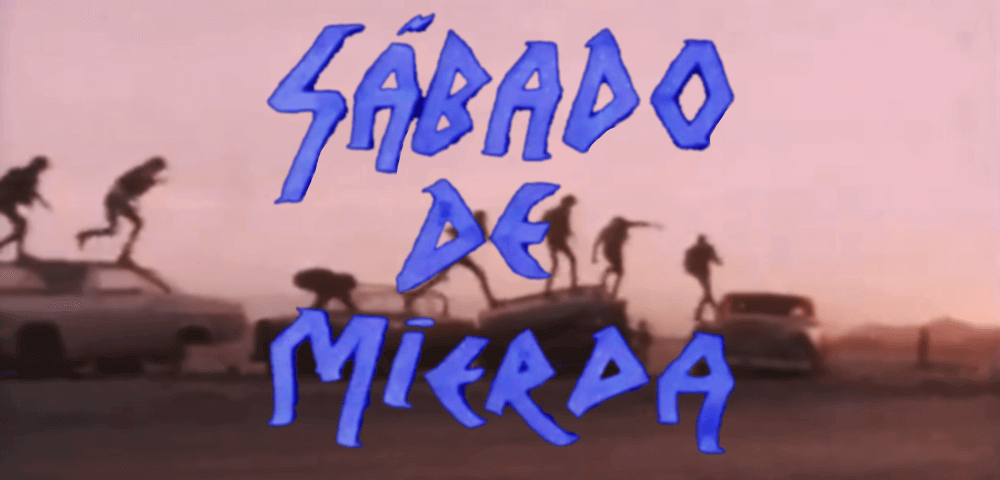
SABADO DE MIERDA
(SATURDAY OF SHIT)
dirs. Sarah Minter and Gregorio Rocha
25 mins. 1988.
In Spanish with English subtitles.

Bookended with snippets of This Heat’s classic 1979 slow-burn “Twilight Furniture”, SABADO DE MIERDA is a classic rockers-versus-punks story set in a near-autonomous version of Neza York in the year 2000, lorded over by teenage punk gangs. The movie plays at once like riveting docudrama and sprawling music video: capturing one massive crowd scene, Minter and Rocha paid off police officers to stage an intervention that sends dozens of punks scattering between the floodlights. The desert depicted is at once a Mad Max-influenced arena of brawling moshpits and mob rule, but also a permanent freedom from the rules and demands of society.
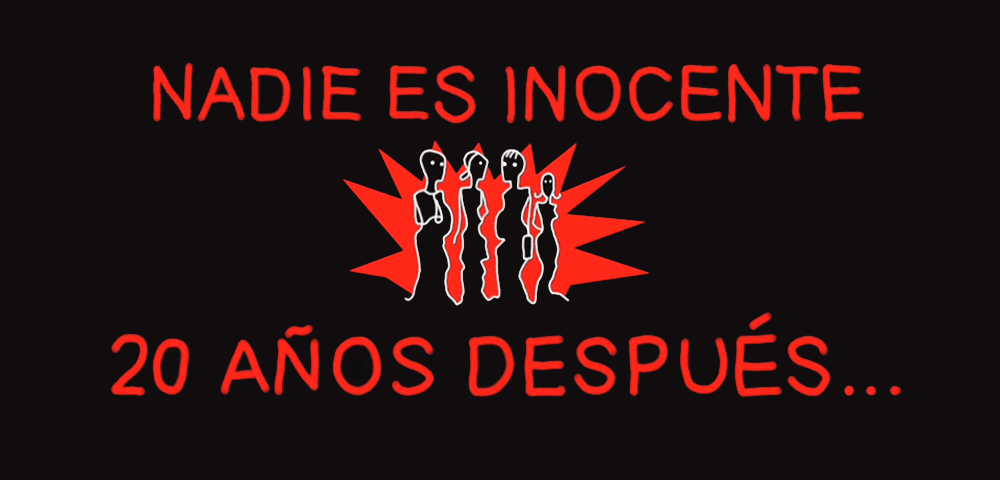
NADIE ES INOCENTE: 20 YEARS LATER
(NADIE ES INOCENTE: 20 ANOS DESPUES)
dir. Sarah Minter, 2010
72 mins. Mexico.
In Spanish with English subtitles.

Saturday, October 2 – 7:30pm
Thursday, October 28 – 10:00pm

ONLINE TICKETS

STREAMING AT STREAM.SPECTACLETHEATER.COM
Monday, October 11 – 10:00pm

In one of her final linear video works before her untimely death in 2016, Sarah Minter revisited the community of punks from Nezahualcoyotl (or “Neza York”) vividly captured in NADIE ES INOCENTE, indeed, twenty years later. 20 ANOS DESPUES necessarily becomes a portrait of Mexico’s post-NAFTA economic growth, the onset of middle age, and the mellowing of nihilist sensibilities: one punk has become a hardcore Christian, while another exorcises his anger by painting grotesque oil portraits. The result is a sober, yet moving, depiction of life’s surprising longeurs (not entirely unlike Michael Apted’s UP series) but for the members of the Mierdas Punks like Juan Martinez (“el Kara” in NADIE ES INOCENTE), one of several of Minter’s teenage antiheroes who didn’t make it.

SARAH MINTER (1953-2016) was a pioneering video and installation artist, a photographer, curator and avant-garde theater performer from Mexico. She spent her early 20s collaborating with Juan Carlos Uviedo, an exiled Argentinean theater director who had migrated to Mexico City after many years heading the Living Theatre at La Mama in the East Village. Minter’s video works are bitter, unforgettable dispatches from the margins of society, drawn in opposition to the tropes and food chains of TV documentary and theatrical distribution; she later experimented with looped installations shot over the course of many years. This is how she described her approach to video as opposed to film:

“I learned to edit and resolve things technically on my own. Creative and financial independence are very important to me, especially if we remember that in the 1980s there was practically no existing support of any kind. I saw people trying to get things done and it took them ten years to make their next movie. That was basically the panorama. They were all failed attempts, and on top of all that, independent film was totally hermetic… If you got money to film, you had to do it with a high percentage of union workers, and if not, you had to pay replacement fees. And once you’d pulled it off it wasn’t easy to show your work. There weren’t festivals in the same quantity as there are today; in Mexico there were hardly any at all, and there were very few in the rest of the world—it wasn’t easy even for famous people. The only kinds of film that kept getting made were Mexican sex comedies and totally commercial movies, which controlled everything.”

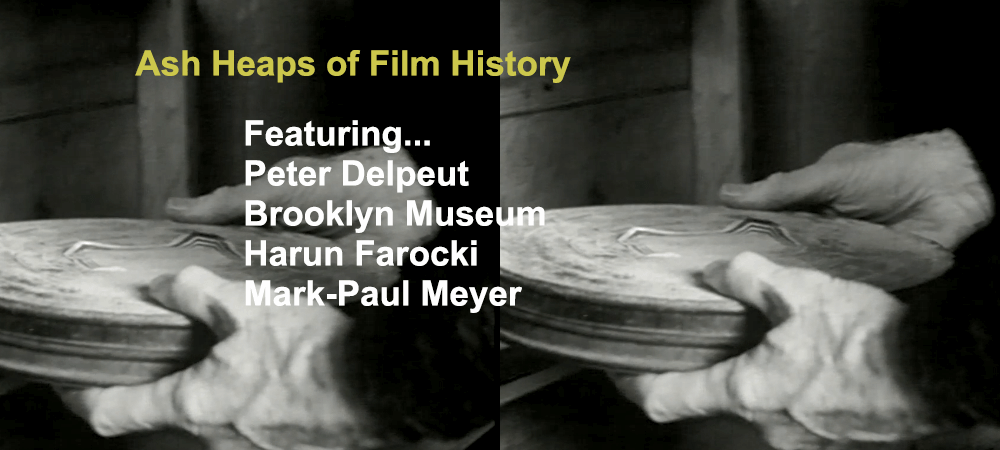
PETER DELPEUT AND THE ASH HEAPS OF FILM HISTORY

This program celebrates the recent efforts made by Brooklyn Museum to preserve its audiovisual collection. Featured here are two newly digitized works, including a 1937 nitrate film shot on the streets of Brooklyn and a 1962 film on art conservation. While the keeping of juridical paper archives has been instinctive to societies for millennia, the preservation of film languished for much of its early history. It was not until cinema’s legitimization as an art form and the founding of institutions like the British Film Institute, Museum of Modern Art, and Cinémathèque française that this blight in our culture and history began to be amended.

However, film also occupies a place outside of artistic canons. Peter Delpeut, along with computer artist Hoos Blotkamp and filmmaker Eric De Kuyper, created a new collection policy in the 1990s during their tenures at the Nederlands Filmmuseum. Their endeavor coincided with film historiography’s growing concern for endangered films and led to the creation of the “Bits & Pieces” collection. This collection comprises fragmented films that are neither eminently related to auteurs nor formal artistic movements. As a director, Delpeut made his name as a found footage filmmaker who appropriated such fragments. He represents something of a progenitor to artists like Gustav Deutsch and Bill Morrison, with his film Lyrical Nitrate preceding the latter’s Decasia by a decade. For Delpeut, the derogatory idiom which describes history as an “ash heap” or a “dustbin” rings untrue. He has described his work from within the archive as the most emotional period in his film-related life. It is this emotion which he shares with his audiences by wresting images of surprising beauty and pathos from their obscurity and neglect.

This program of three screenings featuring the films of Brooklyn Museum, Peter Delpeut, Harun Farocki, and Mark-Paul Meyer honors art conservators and archivists. Prelude short films demonstrating conservation techniques like vacuum hot tables and wet-transfers are at once educational and beautiful. The craquelure of oil paintings and the decomposition of film which these technical interventions intend to remedy introduce a sense of biological infirmity to the cultural heritage which we often presume to be immutable and everlasting. The feature length films of this program explicitly address art and build on the related motifs of transience and materiality in different ways, ranging from Delpeut’s lyrical lamentations to Farocki’s capitalist critique.

We would like to thank Video Data Bank and Eye Filmmusuem as generous contributors to this program.

PETER DELPEUT AND THE ASH HEAP OF FILM HISTORY #1
Sunday, October 3 – 5pm

ONLINE TICKETS

BROOKLYN PROGRESS
1937.
10 mins. United States.

LYRICAL NITRATE 1905-1919
dir. by Peter Delpeut, 1991.
51 mins. Netherlands

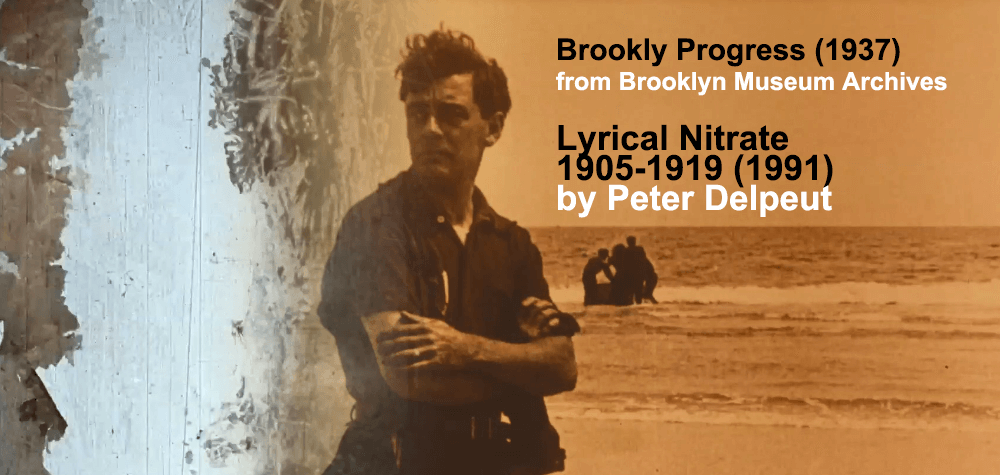
Brooklyn Progress is a nitrate film whose original camera negative was discovered in Brookyln Museum’s audiovisual collection by archivist Molly Seegers in 2016. In a serendipity not unlike the discovery of Japan’s oldest negative film – which was until recently under the continuous care of a toothpaste corporation – the archive has transformed a petty propaganda film otherwise lost to time into a precious artifact which displays in verité a burgeoning Brooklyn from nearly a century ago. Originally created for Borough President Raymon V. Ingersoll’s re-election campaign, Brooklyn Progress takes a tour of the achievements of his administration through the eyes of two ordinary citizens as they walk through the city’s streets. The only other extant physical copy of the film is held by the Museum of Modern Art. The Brooklyn Museum negative has since been preserved, digitized, and deposited in the Library of Congress.

Lyrical Nitrate 1905-1915 is a found footage film by Peter Delpeut comprising fragments of the Jean Desmet Collection, which was the first film collection to be selected by UNESCO for the Memory of the World Register. In the context of the Nederlands Filmmuseum’s preservation work and the often repeated adage of “Nitrate Can’t Wait,” Lyrical Nitrate is a nostalgic lamentation for material fragility and the irrevocably lost. It registers both the euphoria and pathos which the images of the past invoke in their variable states, whether silent, scored, tinted, toned, whole, or fragmented.

PETER DELPEUT AND THE ASH HEAP OF FILM HISTORY #2
Sunday, October 17 – 5pm

ONLINE TICKETS

THE HIDDEN LIFE OF A PAINTING
dir. by Caroline Keck, 1962.
20 mins. United States.

TREASURES FROM THE RIJKSMUSEUM
dir. by Peter Delpeut, 2000.
48 mins. Netherlands.

STILL LIFE
dir. by Harun Farocki, 1991.
56 mins. Germany.

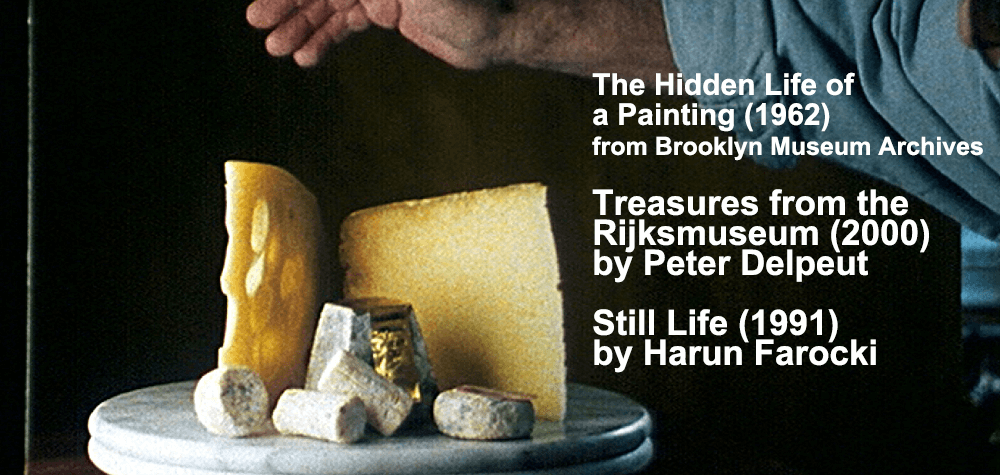
The Hidden Life of a Painting was produced by two pioneer conservators during the Exposition of Painting Conservation held at Brooklyn Museum in 1962. With great mid-century charm and a degree of self-effacement, narrator and director Caroline Keck relays the ordinary and surprising ways artworks are preserved and cared for through the use of microscopes, fire extinguishers, polarizing screens, vacuum hot tables, and x-rays. The film concludes with a loaned painting being packed in a crate addressed to Amsterdam.

Peter Delpeut picks up where the Kecks left off and takes us to Holland. Although Treasures of the Rijksmuseum deviates from the found footage works for which Delpeut is most well-known, it elaborates on the same themes of history and materiality. Dust gathers in art depots and the mise-en-scène of the museum requires careful coordination from light technicians and art handlers. The film comes together like a choreography –a wordless homily on the assiduous labors of museum staff and a mediation on their measured movements as they prepare paintings for public display, including Rembrandt’s monumental The Night Watch.

Harun Farocki approaches art materiality with a different kind of emotion by drawing a parallel between the Flemish and Dutch traditions of still life painting with modern advertising. Still Life follows two painstaking photoshoots for a beer and wristwatch advert, the hypnotic mundanity of which can ascend to reverie and perverse delight. A sentiment that is likely shared by the other filmmakers in this program, Farocki states that “when you look at things, the men who made them are unimaginable.”  Still Life may either convince us to look at advertisements with a renewed aesthetic acuity or to scrutinize the capitalism and crude systems of patronage undergirding the history of art. Continuing the themes present in much of his oeuvre, Farocki strives to scrutinize a fundamental aspect of our increasingly visual culture by critically examining the ontologies of the image.

PETER DELPEUT AND THE ASH HEAP OF FILM HISTORY #3
Sunday, October 24 – 5pm

ONLINE TICKETS

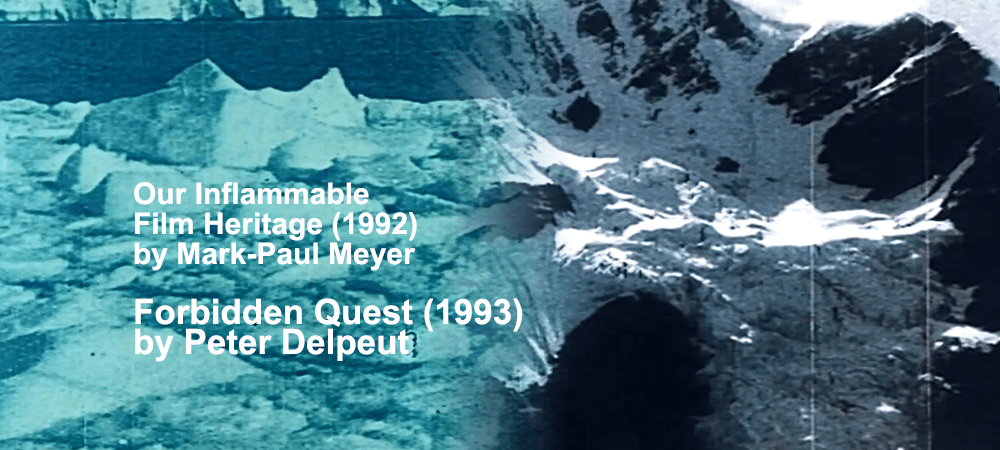
OUR INFLAMMABLE FILM HERITAGE
dir. by Mark-Paul Meyer, 1994.
20 mins. Netherlands.

FORBIDDEN QUEST
dir. by Peter Delpeut, 1993.
70 mins. Netherlands.

Our Inflammable Nitrate Heritage is a short film directed by Mark-Paul Meyer, who is presently the Expanded Cinema Curator at Eye Filmmuseum in Amsterdam. Using the restoration of Ernst Lubitsch’s 1918 Meyer aus Berlin as an example, the film shows the time-consuming and complex work processes which allow film archivists to make the best possible copy of a deteriorated film. Although commissioned by the Cineteca del Comune di Bologna and intended for pedagogical value, Our Inflammable Nitrate Heritage is also a visual delight partaking in the same grace and process-oriented hypnosis of Peter Delpeut’s Treasures from the Rijksmuseum and Harun Farocki’s Still Life.

While the wet-gate transfer demonstrated in Our Inflammable Nitrate Heritage is one of the most indispensable techniques in bringing clarity to old images, the motif of water takes on a sense of mystery and icy opacity in Peter Delpeut’s second feature film Forbidden Quest. This mockumentary presents the reflections of the only survivor of a secret South Pole expedition, who is played by the great Irish stage actor Joseph O’Connor. The archival footage used to illustrate this fictional expedition was shot in precarious, real-life conditions in the first three decades of the twentieth century by cameramen such as Herbert Ponting and Frank Hurley, to whom this film is dedicated. Their images assume a shade of horror and foreboding with a storytelling reminiscent of Verne, Melville, and perhaps even H.P. Lovecraft’s At the Mountains of Madness. The visages of people and animals against the backdrop of an inhospitable, unchartered territory are presented in silence. As audiences, we confront film as a ghostly indexical trace to the past and contemplate the enormity of the Shakelton Journey and the Heroic Age of Antarctic Exploration.

PLASTIC FRENCH

PLASTIC FRENCH
dir. Dan Simolke, 2021.
USA 99 min.

Friday , October 15 – 7pm w/ filmmakers in attendance
Thursday, October 21 – 7pm w/ filmmakers in attendance
(These screenings are $10)

ONLINE TICKETS

STREAMING ONLINE AT STREAM.SPECTACLETHEATER.COM
Monday, October 18 – 7:30pm

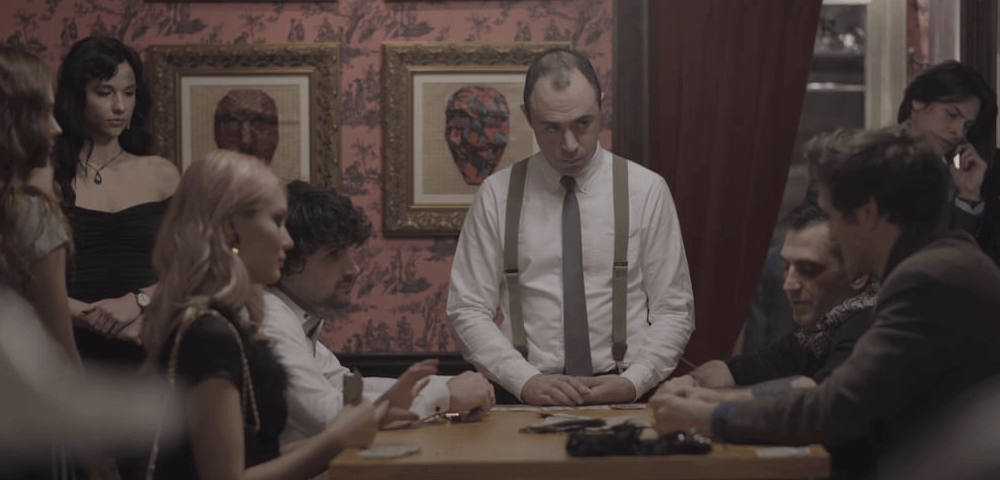
A group of ambitious people must choose different paths as they clash against money and power in a sex-driven parallel reality New York City. Up-and-coming artists Raya (Rand Faris) and Mia (Isabella Forti) struggle in pursuit of individuality, as young magnates Will (Will Sandler) and Kat (Christina Leonardi) must decide what their influence and power will serve. Meanwhile Mia’s personal gigolo (Alexander Maysonet) returns to his hidden world of indentured pawns in the manipulative games of the rich. In order to seek freedom and transcendence, they must first come to terms with their own human needs and natures.

JACQUES RIVETTE’S OUT 1

OUT 1
dir. Jacques Rivette, 1971
773 mins. France.
In French w English subtitles.

SATURDAY, SEPTEMBER 3 – 10AM EST
ONLINE TICKETS

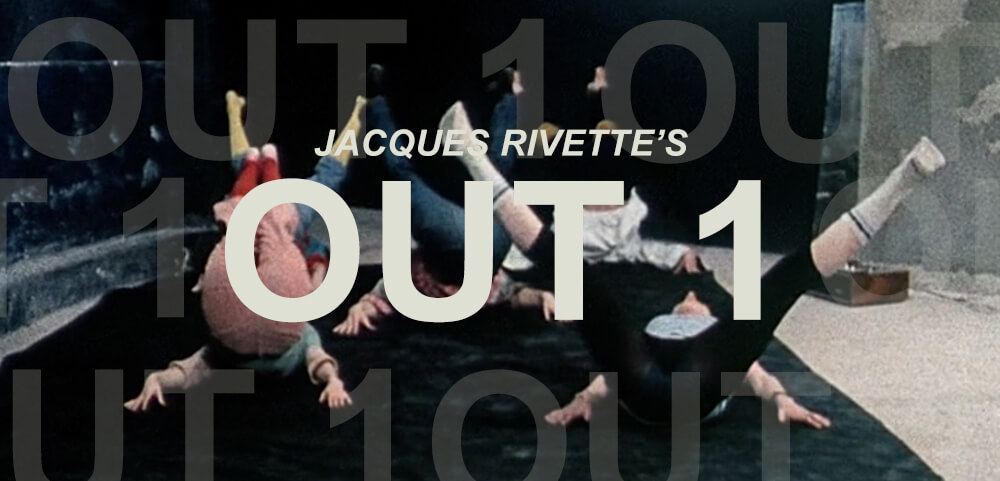
Spectacle is back! And how better to hack away at your deficit of hours missed in the dark with strangers than a marathon screening of Jacques Rivette’s colossal New Wave touchstone, OUT 1.

Set in “Paris and its double,” Rivette’s improvisation-heavy film follows two theater troupes reimagining Aeschylus’s tragedies as gestural avant-garde theater. Their rehearsals intersect with two swindlers who uncover (or don’t) a string of conspiratorial messages (or not) hinting to the existence of a secret organization (or nobody). Inquiries abound, solutions, not so much, as a post-’68 malaise motivates energies of paranoia and discovery in this durational dissection of reality (or this thing that looks like it). This marathon screening will mark OUT 1’s return to Spectacle 11 years after it was first shown here in 2010, well before its 2015 restoration made it widely available.

Program Schedule
Ep 1: 10am to 11:30am
Ep 2: 11:30am to 1:20pm
Ep 3: 1:30pm to 3:20pm
Break: 3:30pm to 4:30pm
Ep 4: 4:30pm to 6:15pm
Ep 5: 6:15pm to 7:45pm
Ep 6: 7:45pm to 9:25pm
Break: 9:30pm to 10:30pm
Ep 7: 10:30pm to 12:10am
Ep 8: 12:15am to 1:30am

Special thanks to Kino Lorber.

DANCE GODDESS

DANCE GODDESS
dir. Hamid Khan, 1987
82 min, USA
In English.
In Urdu w/ English subtitles.

MONDAY, AUGUST 16 – 8PM at The City Reliquary backyard (7:30 PM doors)
ONLINE TICKETS

As part of our mid-pandemic pre-reopening festivities, Spectacle is beyond thrilled to host an outdoor encore screening of Hamid Khan’s DANCE GODDESS in collaboration with our friends at The City Reliquary. Here’s the pitch from 2017…

Over the years, the Grand Ballroom at 124 S. 3rd St. has played host to many a lost musical – the nearly-mythical ROCK N’ ROLL HOTEL, the dearly melancholic DOOMED LOVE – and now, it is with great pleasure that we announce the world premiere of a film orphaned for 30 years… Hamid Kahn’s DANCE GODDESS.

After moving to America and having a successful career as a real estate attorney, Hamid found he missed the culture of India, particularly the movies and music. He dreamed of making the first American Bollywood movie, and so he wrote, produced, and directed DANCE GODDESS. Sparing no expense, he hired the best cinematographer, best dancers, and obtained permits to shoot scenes all over the city. To market the film internationally, all of the original actors dubbed their lines in both English and Urdu, and Kahn filmed alternate versions of every song in both languages. We will be presenting both versions of the film throughout the month.

The film follows Julie, who arrives at New York City’s Khan Dance Studios from London with but a simple dream – to be the greatest dancer in the world. She has a fire in her heart and believes with the right connections, she won’t need luck. Julie immediately strikes a rapport with lead dancer Mike… much to the chagrin of Mike’s dance partner and secret/not-so-secret girlfriend and weed addict Maggie. Julie and Mike mesh so well from the jump they begin singing the film’s first song, “Dream On”, to the applause of their classmates. Has Doc (the director himself, Hamid Khan) found his proverbial DANCE GODDESS?, he wonders aloud. Soon, Julie finds herself embroiled in a struggle between her heart’s desires (Mike) and her dreams (dance). Why can’t she have both, she wonders aloud a number of times? With the help of Doc, Julie meets up with Jack – a famous producer – who promises to get her all the way to Broadway.

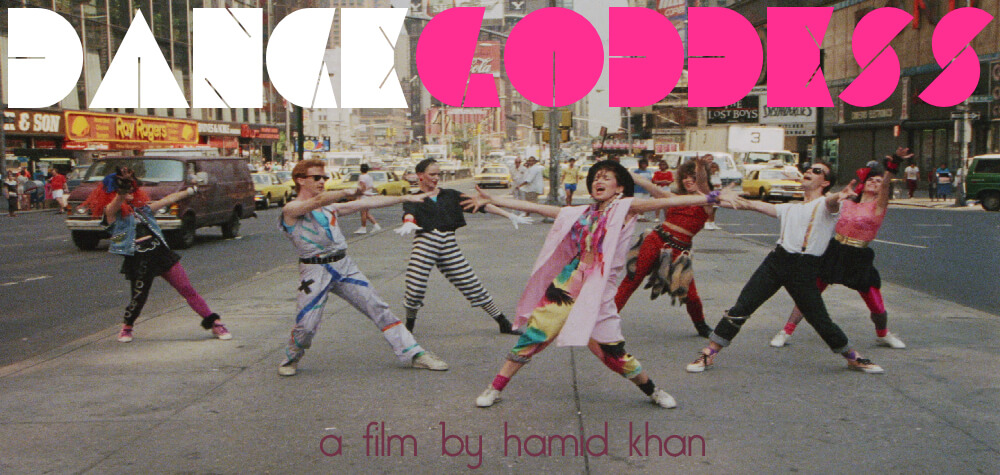
DANCE GODDESS hits the ground twirling (ever twirling) around 80’s Manhattan with a huge dance sequence taking place in the middle of Times Square (“It’s the heart of New York!” Mike tells Julie), complete with gawking tourists and rubbernecking locals. Marvel at the marquees of long lost theaters advertising hits like THE LOST BOYS, DISORDERLIES, WARRIOR OF SHAOLIN, THE TORMENTORS, and more! Delight in typefaces gone by and cheer for banks that no longer exist. The fashions, the passions, and the beat of the city abound in DANCE GODDESS’ all-singing, all-dancing kaleidoscope.

Special thanks to Hamid Khan and to David Ginn without whom this would not have been possible.

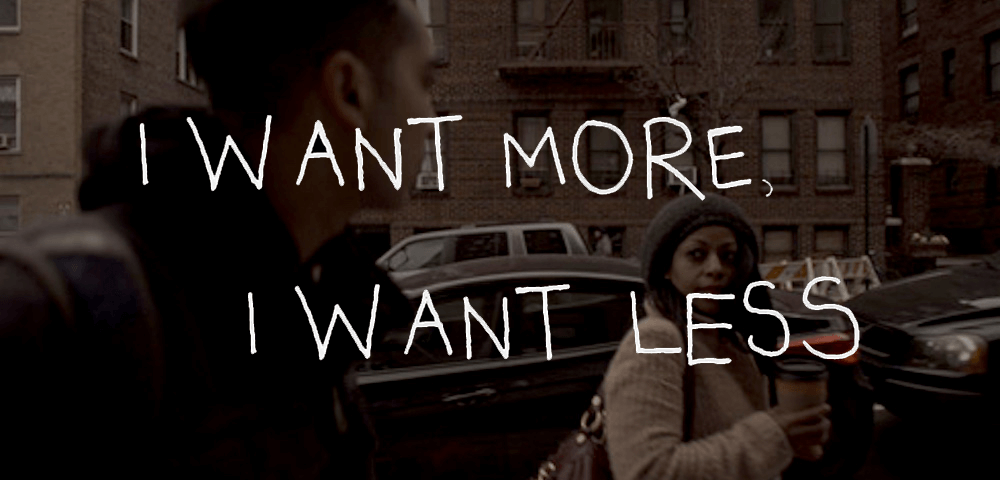
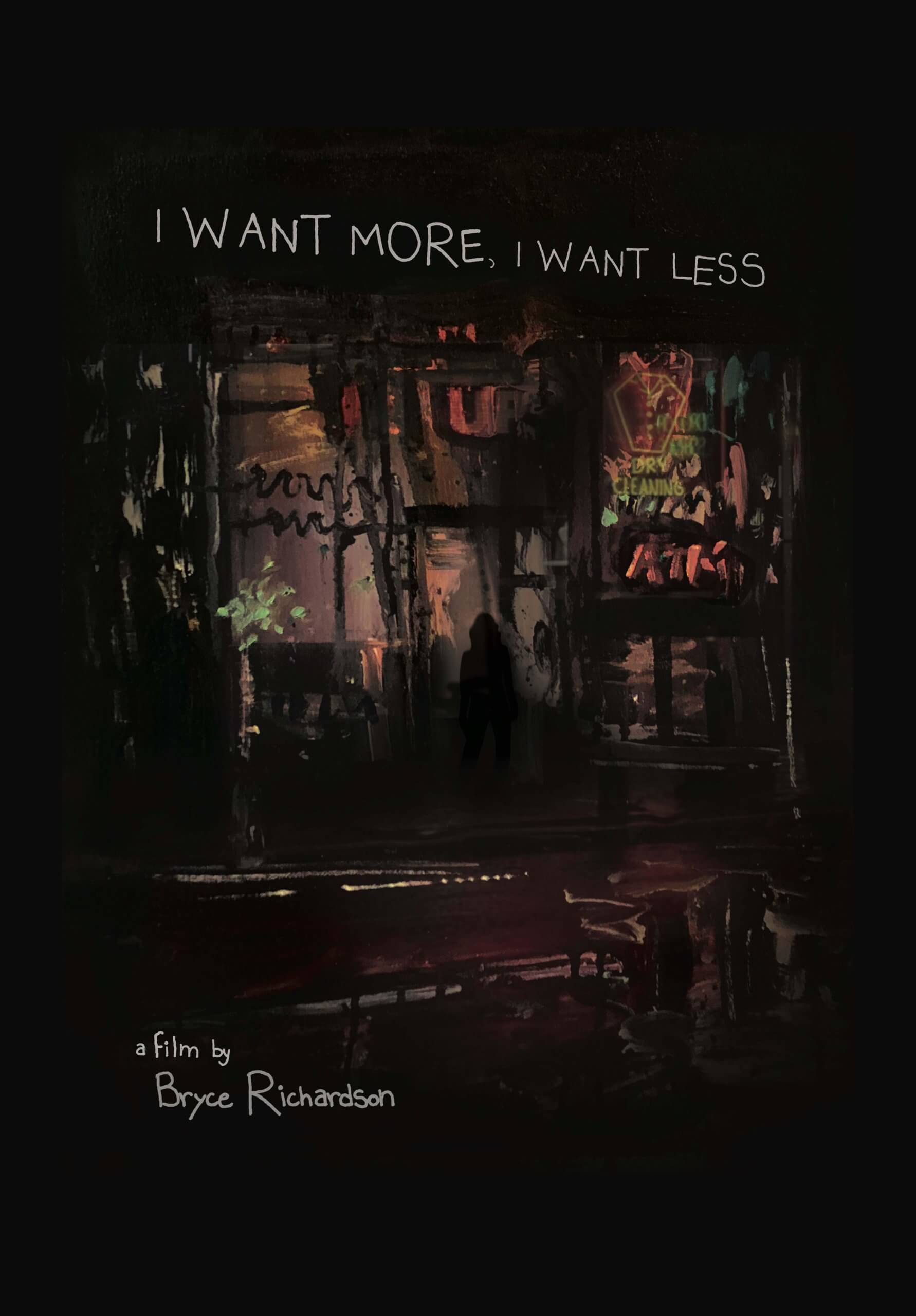
I WANT MORE, I WANT LESS

I WANT MORE, I WANT LESS
dir. Bryce Richardson, 2019
87 mins. United States.
In English.

NEW YORK CITY PREMIERE!

THURSDAY, SEPTEMBER 9 – 7:30 PM with filmmaker Q+A
FRIDAY, SEPTEMBER 10 – 7:30 PM with filmmaker Q+A
SATURDAY, SEPTEMBER 11 – 7:30 PM with filmmaker Q+A
SUNDAY, SEPTEMBER 12 – 7:30 PM with filmmaker Q+A
MONDAY, SEPTEMBER 13 – 7:30 PM EST only at stream.spectacletheater.com (with filmmaker Q+A)

Having hosted premiere runs for idiosyncratic filmmakers like Juan-Daniel Molero, Lev Kalman & Whitney Horn and Jean-Gabriel Periot, Spectacle is proud to show filmmaker Bryce Richardson’s debut feature I WANT MORE, I WANT LESS – an engagement originally slated for April 2020 (remember her?)

An accountant in Queens rents out the front of her store to a young man who repairs cell phones…and sometimes pickpockets them. She tries to mentor him, but is tested by his unscrupulous opportunism. Though the film explores how two people attempt to survive and thrive despite gentrification and the isolating, transactional nature of modern life, I Want More, I Want Less lingers on quiet moments, and never veers into didacticism.

Set against the backdrop of the 2016 elections (with scenes shot at real-life community board meetings and anti-Trump demonstrations), Richardson’s quotidian, sparse style evokes arthouse influences like Tsai Ming-Liang, but the film never belabors the distance between the audience and the characters. Semi-improvised, the screenplay instead allows Girma and Abbas to talk the way everyday people actually talk, a perfect match for Richardson’s unwavering eye for the details of how they manage to eke out a living in De Blasio-era NYC.

BRYCE RICHARDSON is a filmmaker originally from Houston, Texas, now based in New York. Richardson’s short films 2580 (2015) and ECLECTIC BRACKETS (2016) have played at festivals such as Slamdance, Woods Hole, Antimatter, and others. In 2011, the Metropolitan Playhouse produced “Baby Marty,” his one-act play. He currently serves on the board for Mono No Aware, a community-focused organization that teaches celluloid film production. I WANT MORE, I WANT LESS was shot over the course of nine weekends at real locations, including a very cluttered CPA’s office in Queens. The film won best screenplay at the Tacoma Film Festival.

PANELSTORY


PANELSTORY

dir. Věra Chytilová, 1979.
Czechoslovakia. 100 min.
In Czech with English subtitles.

THURSDAY, SEPTEMBER 2 – 7:30P + 10P EST in-theater and at stream.spectacletheater.com
ONE NIGHT ONLY!
ONLINE TICKETS

Věra Chytilová’s 1966 DAISIES may be her best known work of radical cinema, but it’s neither her last, nor arguably most significant. A decade later, at time when most of her Prague Spring contemporaries had fled Czechoslovakia or drastically reigned in once-experimental visions, she came back with the equally daring and essential PANELSTORY. Framed as a sort of ensemble comedy circulating among the many lives contained within a new Soviet-bloc housing complex, the film is actually a scathing satire shredding every available ideal of home and family. The whole film can be understood by its audaciously critical setting: lost in a wasteland of debris and stalled construction, still incomplete yet already falling into disrepair, riddled with half-functional elevators, the housing complex precisely mirrors the disintegrating families contained within, whose individual stories form a catalogue of bleakly hilarious dysfunction and despair. It might have been all too believably familiar to those living under similar conditions in Czechoslovakia at the time, but Chytilova’s disillusionment, as always, extends far beyond her immediate surroundings to call into question the thwarted utopian hopes of an entire industrialized world.

As with all of Chytilová’s best work, form here deftly follows function. The urban malaise is caught near-entirely in verité-style hand-held camerawork decades ahead of fashion, and rhythmically fragmented under anarchic editing that mixes apartment interiors with dystopian architecture and massive earth-moving operations. Even the sound design follows suit, as the characters are beset by cataclysmic atonal score (contrasted against a synth-funk interlude straight out of an aspirational 70s home furnishings showroom). What PANELSTORY may lack from the sheer stylistic invention of DAISIES, it makes up for in thematic cohesion.

After the collapse of the Prague Spring, Chytilová was among those directors cut out of the studio system for their brilliant excesses, which meant that she spent the years from 1970 to 1976 secretly directing commercials under the name of her husband (Jaroslav Kučera, her frequent cinematographer and collaborator). Pressures from international film festivals and a bold letter from directly to the president restating her sincere Socialist values allowed Chytilová to release THE APPLE GAME in 1976. But if that work seemed comparatively restrained, she pulled out all the stops for PANELSTORY. It’s unbelievable that such a film could have been produced under the noses of the state censors, and following its release, Chytilova found herself banned for another two years for her troubles. Seeing it again all these years later, PANELSTORY seems well worth the risks of getting it made.

Having considered PANELSTORY our “lodestar film” since opening in 2010, Spectacle is thrilled to host this one-night-only engagement of Chytilová’s unsung classic as part of our reopening festivities.

Special thanks to Troy Swain and Janus Films. 

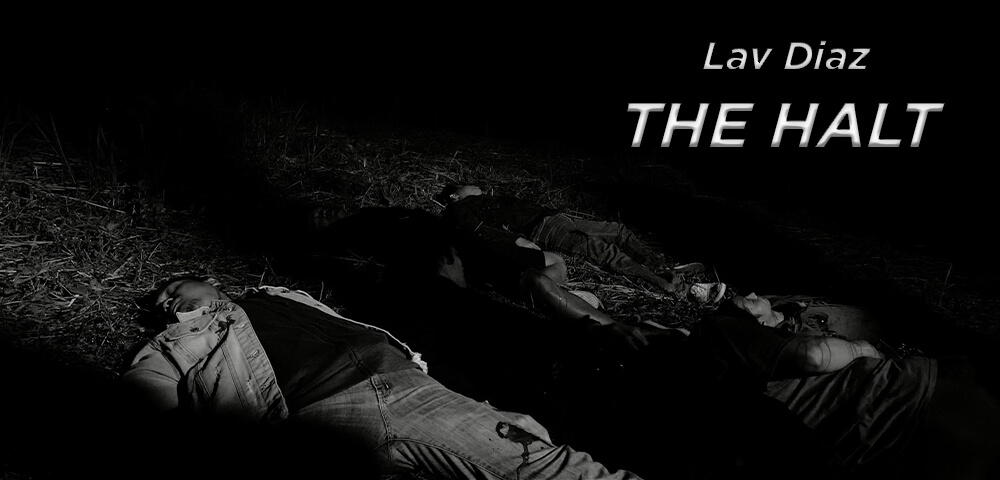
THE HALT

THE HALT
(ANG HUPA)
dir. Lav Diaz, 2019
276 mins. Philippines.
In Tagalog with English subtitles.

SUNDAY, SEPTEMBER 5 – 5PM
SATURDAY, SEPTEMBER 18 – 2PM
ONLINE TICKETS

The Philippines, 2034: A world devastated by a pandemic, darkened by clouds of volcanic smoke caused by global warming, living under the thumb of a repressive dictator. Remind you of anything? Even if THE HALT premiered at Cannes in 2019, Diaz’ eerily prophetic sci-fi noir still more unnerving for its distressed portrait of society than the uncanny accuracy of its thought experiment.

At the root of this disturbing landscape is the senile military dictator President Navarre (Joel Lamangan), whose favorite hobby is feeding the bodies of drug users to his crocodiles and who plans on murdering all of the country’s political dissidents while blaming it on the raging pandemic. As a plot to assassinate Navarre slowly develops, the film offers a wide ranging mosaic people struggling through a world rife with brutality. Working with dozens of characters ranging from a gang of street orphans to an ex-rock star turned guerrilla revolutionary to a sex worker with an unquenchable thirst for blood, Diaz uses his measured, languorous rhythm to craft a portrait that layers its social commentary in observational richness and emotional depth.

With his lengthy runtimes and glacial editing speed, Diaz has long held a reputation as the king of what some have quickly called “slow cinema.” Boasting a 4 ½ hour-plus runtime, THE HALT is no exception to this eye-catching (and numbing) aesthetic approach. Hypnotic in its unique narrative rhythms and mesmerizing with its stark chiaroscuro cinematography which conjures up the dark psychological terrain of classic noir, THE HALT’s emotional and aesthetic power extends far beyond its aggressive political ambitions.

Special thanks to Lav Diaz and Spring Films.

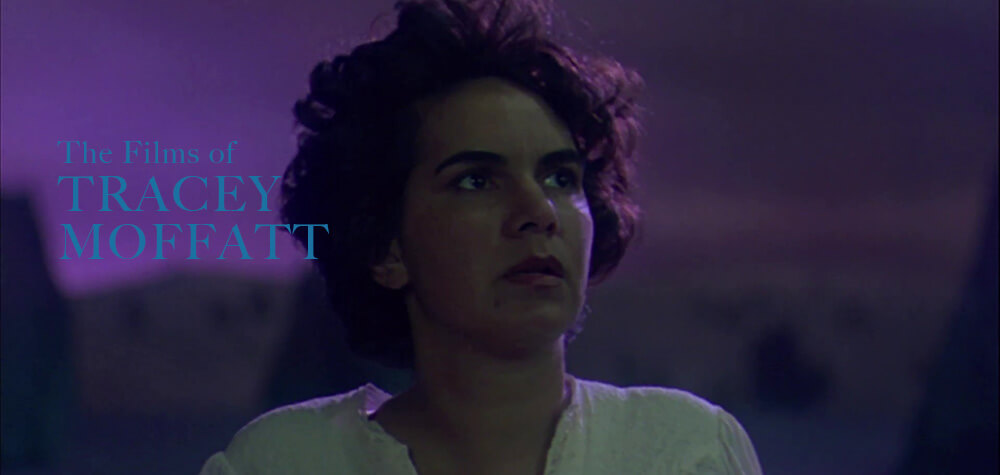
THE FILMS OF TRACEY MOFFATT


Tracey Moffatt may be best known in the art world as a photographer. But even her photographs have the precise staging, lighting, and narrative nuance of film stills, ambiguously illuminating troubled episodes of history and identity. When actually working in film, the effect is amplified further. Action unfolds in the isolated, artificial space of the photographic frame, where every element is perfected and fixed in place. Even when conveyed through the finely orchestrated swoop and pan of a sequence shot. Yet from these constructed scenes spring indelibly human subjects.

Daughter of an Aboriginal mother and white father, Moffatt grew up “between black relations and white relations” just as Aboriginal Australia was becoming politicized in the fight to reclaim its land rights. But disinterested in either the idealized or patronizing portrayals found in typical ethnographic cinema made about her community (and inevitably by outsiders), she sought more experimental approaches that could cut to the heart of the tales she told.

Programmed in collaboration with Women Make Movies.


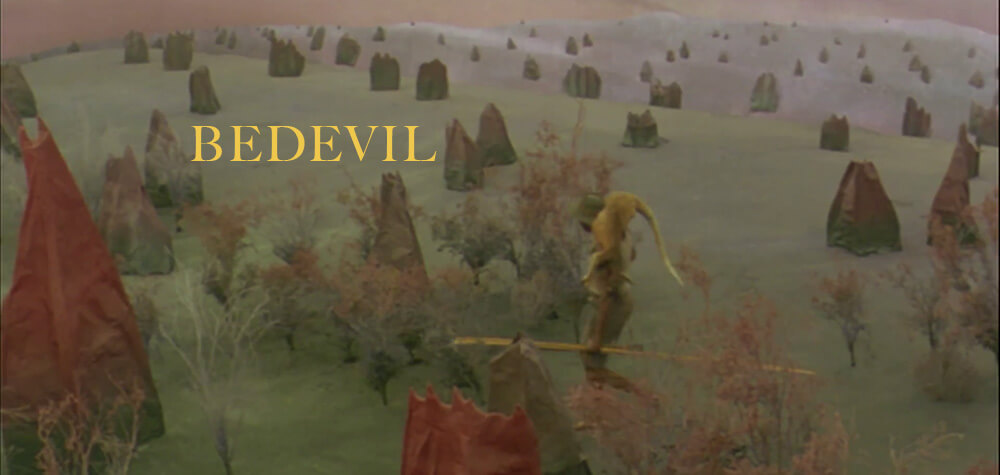
beDEVIL

dir. Tracey Moffatt, 1993
90 mins. Australia.
In English.

FRIDAY, SEPTEMBER 10 – 10PM EST in-theater and at stream.spectacletheater.com
SATURDAY, SEPTEMBER 18 – 10PM EST in-theater and at stream.spectacletheater.com
SUNDAY, SEPTEMBER 19 – 5PM EST in-theater and at stream.spectacletheater.com
THURSDAY, SEPTEMBER 23 – 7:30PM EST in-theater and at stream.spectacletheater.com

Like a playful, lavishly-composed Australian folk horror triptych, beDEVIL tells three ghost stories unfolding along cultural fault lines in far-flung corners of the outback and offshore islands. In Moffatt’s Australia, though, it is modernity and not antiquity that threatens: her specters are trains, UFOs, and American soldiers. Through lavish stylization and kinetic editing (and embracing all artifice, even bits of digital manipulation), interviews are transformed into performance and memory into heightened drama, as the film blurs the lines not only between Aboriginal and immigrant (or colonial) worlds but also between modes of film and narrative. The resulting tableaux, fanciful and deeply saturated, will haunt not only for their brushes with the uncanny but their many-layered approach to the deeper questions of post-colonial life. At the time of its Cannes debut, beDEVIL was the first feature directed by an Aboriginal woman.


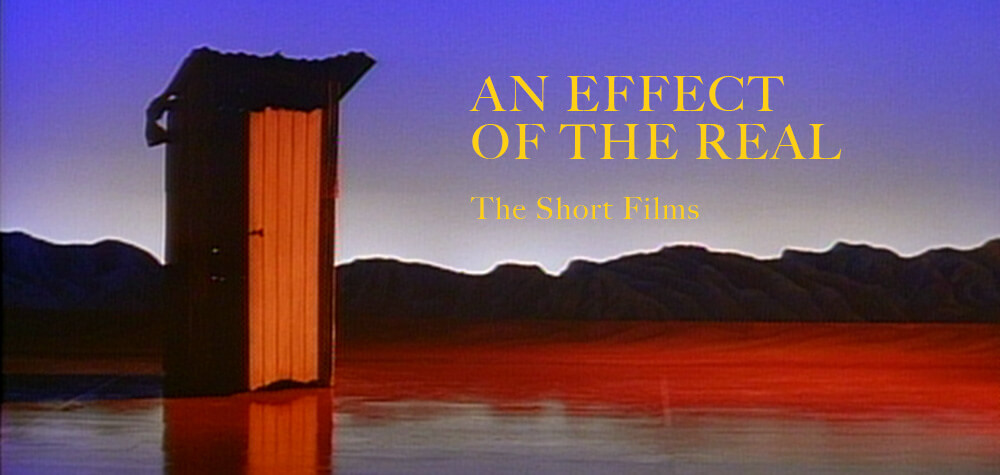
AN EFFECT OF THE REAL: THE SHORT FILMS
dir. Tracey Moffat, 1987-1999
74 mins. Australia.
In English.

SUNDAY, SEPTEMBER 12 – 5PM EST in-theater and at stream.spectacletheater.com
THURSDAY, SEPTEMBER 16 – 10PM EST in-theater and at stream.spectacletheater.com
FRIDAY. SEPTEMBER 17 – 10PM EST in-theater and at stream.spectacletheater.com
THURSDAY, SEPTEMBER 23 –  10PM EST in-theater and at stream.spectacletheater.com

NICE COLORED GIRLS
dir. Tracey Moffatt, 1987
16 mins. Australia.

Colonialist ethnographic narratives intertwine with a finely-crafted account of modern aboriginal women out on the town. To finance the night, they pick up a “captain” (old and white, of course) to exploit in turn, closing a historical cycle. The satisfaction of seeing these systems inverted is matched only by the pop verve of Moffatt’s filmmaking.

NIGHT CRIES: A RURAL TRAGEDY
dir. Tracey Moffatt, 1990
20 mins. Australia.

In an early expression of much of the stylization she’d later put to use in beDEVIL — matte paintings, stagey sets, otherworldly intercut memories — Moffatt explores a stifling interracial family relationship in the middle of nowhere. An aging black daughter cares for her ancient white mother alone in the arid outback, dreaming of freedom, but what else does she have? Meanwhile, popular Aboriginal crooner Jimmy Little haunts the margins of the story.

HEAVEN
dir. Tracey Moffatt, 1997
28 mins. Australia.

Flipping ingrained cinema codes, Moffatt exploits the unmediated POV possibilities of digital video in female gaze. No less intrusive than its male counterpart, Moffatt’s camera eye voyeuristically observes beefcake surfers changing clothes in beach parking lots or moves in for direct interrogation. But though her subjects speak to her, amused or irritated or perplexed, we never hear a word — the camera is too distracted, dropping regularly from chiseled pecs to bulging speedos.

ARTIST
dirs. Tracey Moffatt & Gary Hillberg, 1999
10 mins. Australia.

The plight of the artist as a viewed through cinema history: blocked inspiration, self-doubt, an uncomprehending public. Sometimes the only catharsis is to bring it all down. A transition point from Moffatt’s earlier films to later collage work.