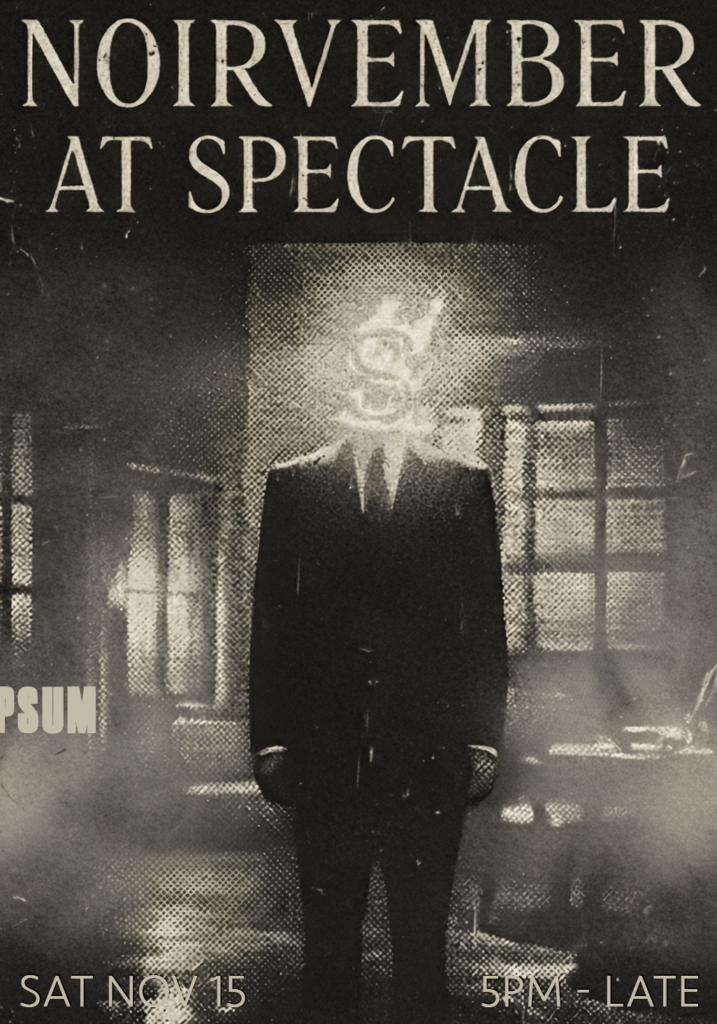
As is our annual tradition, Spectacle begins the New Year by looking back at the best programs and films of the previous year. In case you either missed them the first time around, need to see them again, or want to drag your friends to their next favorite flick. All January, we will be encoring our favorites as voted on by the collective.
The BEST OF SPECTACLE Class of 2025:

THE FLYING LUNA CLIPPER
(ザ・フライング・ルナクリッパー)
Dir. Ikko Ohno. 1987.
Japan. 55 min.
In English and Japanese with English subtitles.
THURSDAY, JANUARY 1 – 10 PM
FRIDAY, JANUARY 16 – 10 PM
SATURDAY, JANUARY 24 – MIDNIGHT
TUESDAY, JANUARY 27 – 10 PM
Throughout the 1980s, the highly versatile range of MSX home computers were taking Japan by storm. Their ease of use made them perfect for the education sector, whereas their graphic and sound hardware made them ideal for gaming and artistry. One such artist was the enigmatic Ikko Ohno, a graphic designer and columnist working for MSX Magazine. His unmistakable and playful trop-pop art covers (made on MSX computers) can be found across the catalog. During this time, Ohno began working on a movie which could further showcase his own art while also demonstrating the full, untapped potential of MSX computing.
Released onto the local home video market before quickly falling into obscurity, it would be almost 30 years until a rogue Laserdisc copy of Ohno’s art project was discovered in a Japanese thrift store by journalist Matt Hawkins, who would eventually unleash what is thought to be one of the strangest experimental pieces of animation ever made – THE FLYING LUNA CLIPPER, which has gone on to influence artists, musicians, and game creators the world over.
Laying somewhere in the sands between video game and video art, THE FLYING LUNA CLIPPER is a tranquil and tropical hazy daydreamy tale of vacationing snowmen, magnificent sea-planes, and dancing banana ladies. The island vibes are undeniable, and must be seen to be believed.
Originally screened in July 2025.
WEEKNIGHTS
Dir. Alfred Giancarli, 2023
United States. 68 min.
In English.
FRIDAY, JANUARY 2 – 7:30 PM
SUNDAY, JANUARY 4 – 5 PM
SATURDAY, JANUARY 10 – 7:30 PM
SATURDAY, JANUARY 24 – 7:30 PM (Q&A w/ Director Alfred Giancarli)
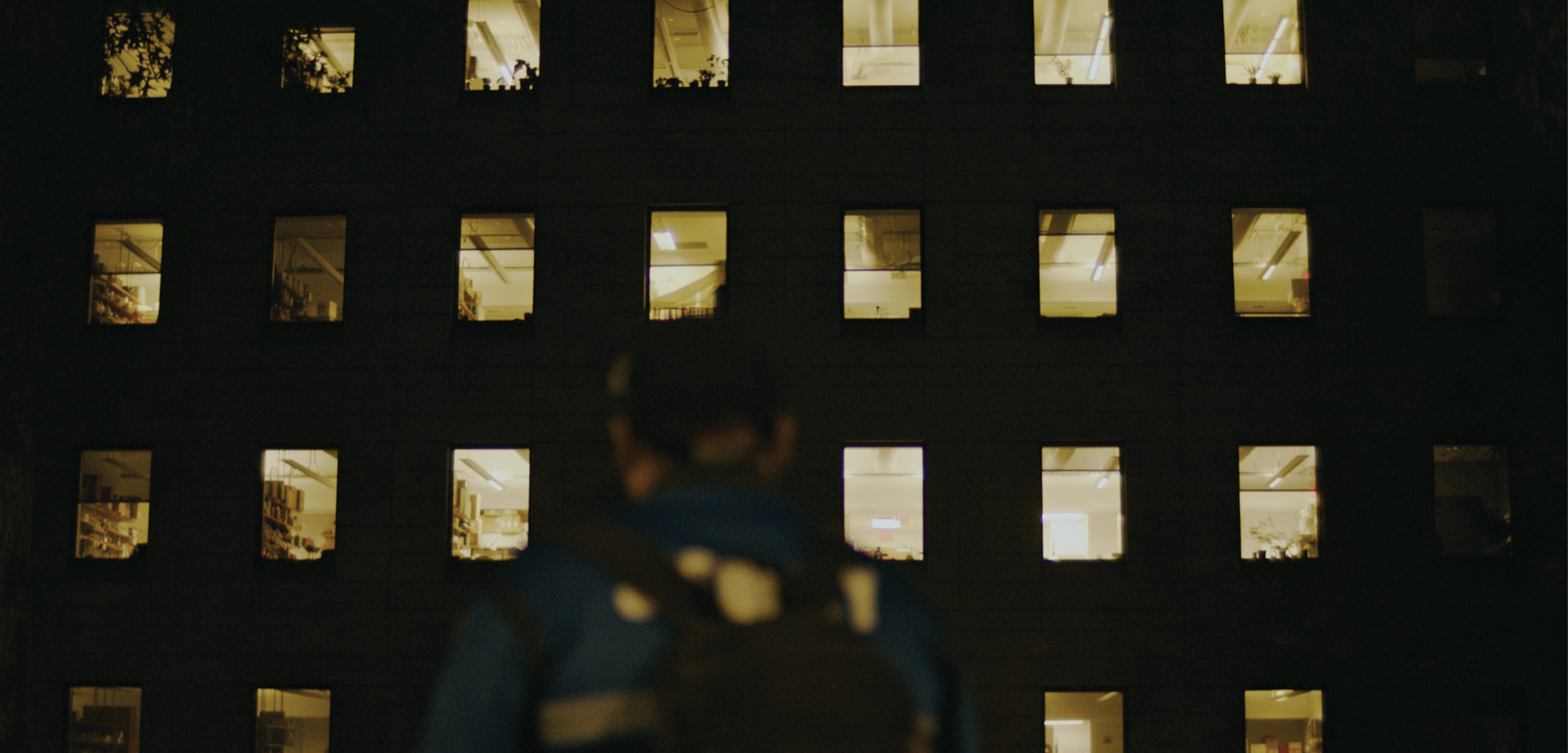
The film follows three individuals working various graveyard shifts around a deserted urban college campus as they try to make it through another long and lonely night on the job. Through a series of fixed shots, the viewer partakes in their nightly responsibilities and rituals, underscoring the feeling of solitude imparted by the lateness of the hour, lack of human interaction, and nature of the work itself– The type critical to the function of such a place yet that often goes entirely unseen or unappreciated by its daytime inhabitants.
Giancarli draws from a rich pedigree of avant-garde filmmakers, from Tsai Ming-Liang and Gus van Sant to James Benning to Larry Gottheim, whose work is grounded in the interplay between time and location. WEEKNIGHTS is a film shaped as much by the intangibilities and rhythms of the environment captured as by its own scripted elements; one that ascribes new meaning to the psychogeographic adage that one cannot truly know a place before knowing its ghosts via the more economically-minded framework of labor seen versus unseen.
“Through lingering shots, [WEEKNIGHTS] captures the quiet isolation of graveyard shifts, empty spaces, and mundane routines. The film meditates on loneliness and the surreal atmosphere that descends on familiar places after dark.
— Charlie Sanders, Festival Programming Director, Sidewalk Film Festival
“WEEKNIGHTS distinguishes itself through its sharp sense of place and by how it captures the distinct rhythms of its environment. The film’s overall melancholy resonates, but in its own way, it acts as a tribute to its (and my) Bronx neighborhood.”
— aversaci, Letterboxd
Originally screened in December 2024.
ZOO
dir. Robinson Devor, 2007
United States. 80 min.
In English.
MONDAY, JANUARY 1 – 7:30 PM
SATURDAY, JANUARY 10 – 10 PM (Q&A w/ writer Charles Mudede, moderated by Steve Macfarlane)
WEDNESDAY, JANUARY 14 – 10 PM
FRIDAY, JANUARY 23 – 7:30 PM
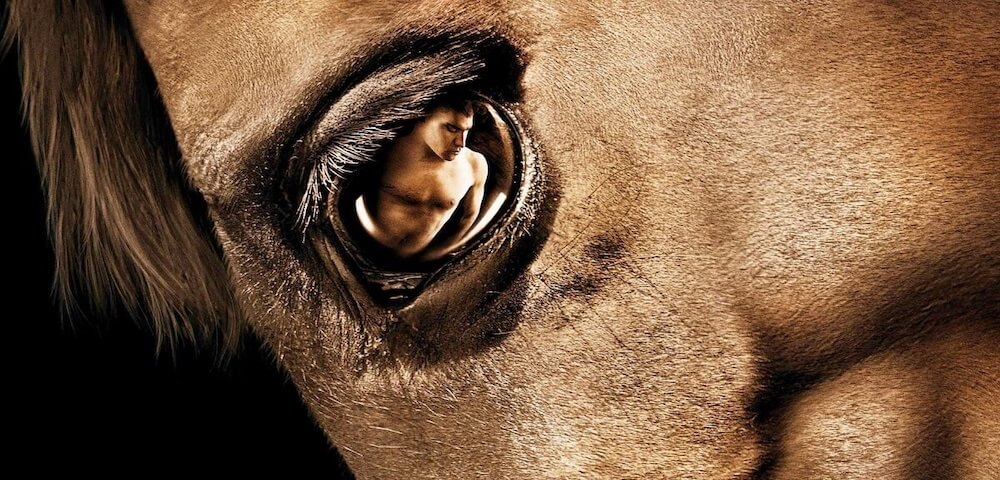
In 2005, Kenneth Pinyan, a Boeing engineer in Enumclaw, WA died after suffering injuries from – yes – being penetrated by a horse. After his body was dropped off anonymously at the nearby hospital, the authorities retraced his network of connections to uncover a group (some would even say a community) of Seattle-area men who used the Internet to organize meetups involving farm animals; they called themselves “zoos”, short for zoophiles. The eyebrow-raising story led Washington lawmakers to make bestiality a felony; nobody followed it closer than The Stranger contributor Mudede, who kept on the case throughout 2006 (and beyond), resulting in his groundbreaking journalistic essay The Animal In You.
In telling the movie version of this story, Mudede and Devor sought to meet the subject matter with requisite seriousness. Their attempts to engage Pinyan’s real-life zoophile community were mostly unsuccessful, but three audio interviews with zoos identified only by their online monikers (Pinyan’s was “Mr. Hands”, which is the only way he is referred to in ZOO) form the backbone for the film’s impressionistic reenactment sequences. The filmmakers’ disinterest in true-crime salaciousness is obvious; ZOO demonstrates their shared refusal to sacrifice aesthetic style for ripped-from-the-headlines urgency. As years go by, it’s not hard to understand why ZOO was hotly discussed after its premiere at the 2007 Sundance International Film Festival, nor why it has been largely on the margins since. ZOO is a docufiction hybrid (from before the term became a total cliche) that refuses to compromise: Devor and Mudede take things way beyond the facile punchline of the film’s inciting news story, opting instead to receive their interviewees as human beings, warts and all, resulting in a haunting (and gnarly!) viewing experience.
Originally screened in June 2025 as part of the series Green Gothic: The Pacific Northwest Cinema of Devor and Mudede.
CHILDREN OF THE STONES
Dir. Peter Graham Scott, 1977
United Kingdom, 174 min.
In English.
SUNDAY, JANUARY 4 – 7:30 PM
WEDNESDAY, JANUARY 21 – 7:30 PM
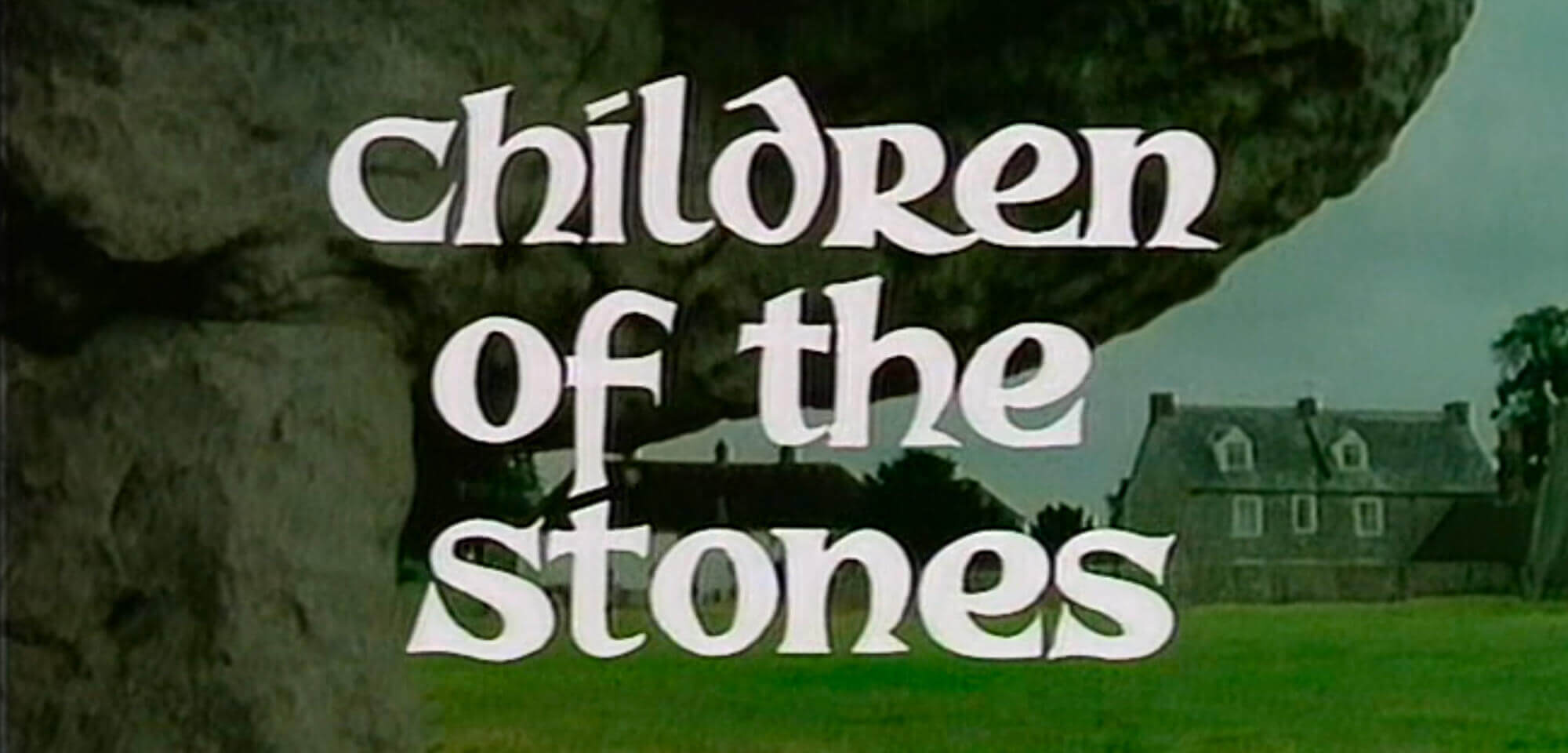
This vernal equinox, Spectacle is chuffed to present the TV folk horror phenomenon CHILDREN OF THE STONES. Unleashed on an unsuspecting British audience by Welsh network HTV in 1977, it’s often described as the scariest children’s series ever made.
Peter Demin stars as Matthew Brake, a boy accompanying his astrophysicist father Adam Brake (Gareth Thomas) to the sleepy English village of Milbury to study the local stone circle. But from the start, something is not quite right. After strange interactions with the locals, father and son meet Mayor Hendrick (masterfully played by Scottish character actor Iain Cuthbertson), who knows an awful lot about astrophysics for a civil servant. What secrets are Hendrick and his cohort hiding, and what do they have to do with the stones?
A maze of multiple timelines, ley lines, pagan folklore, and a dissonant, cacophonous musical score of wailing voices converge into a mystery that will have you on your toes until the final title crawl. It’s pretty phantasmagorical.
All seven episodes will be played in succession, with a 15-minute intermission between episodes 4 and 5.
Originally screened in March 2025.
THE BEST OF ME
Dir. Heather Landsman, 2024
United States, 89 min.
In English.
SATURDAY, JANUARY 3 – 10 PM
WEDNESDAY, JANUARY 14 – 7:30 PM
FRIDAY, JANUARY 23 – MIDNIGHT
MONDAY, JANUARY 26 – 7:30 PM (Q&A w/ Director Heather Landsman, moderated by Louise Weard)
“Oddly enough, people get interested in a person like that. That would be the only reason why anyone would sit through dozens and dozens of hours of unedited home diaries.” – Ricardo López
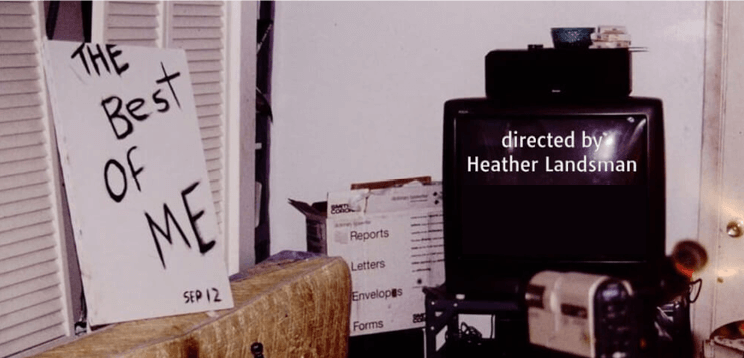
In 1993, living in suburban Atlanta and working as an exterminator, young and alienated Ricardo López developed an all-consuming love for Icelandic experimental pop musician Björk. Over the next three years, López’s fixation would result in hundreds of diary entries, dozens of hours of home video footage, an assassination plot, and his eventual death by his own hand. Director Heather Landsman has crafted an eye-opening portrait of obsession taken to the edge.
Special thanks to Sylvie Shamlian. Poster by Cris Hernandez.
Originally screened in February 2025.
NO SEX LAST NIGHT (DOUBLE BLIND)
dir. Sophie Calle and Greg Shephard, 1992
United States, 76 mins.
In English and French.
THURSDAY, JANUARY 8 – 7:30 PM
SATURDAY, JANUARY 17 – 10 PM
FRIDAY, JANUARY 23 – 10 PM
THURSDAY, JANUARY 29 – 7:30 PM
“Both road movie and diary of a hopelessly neurotic romance between two passive-aggressives, No Sex Last Night is compelling viewing.”
—Amy Taubin, The Village Voice
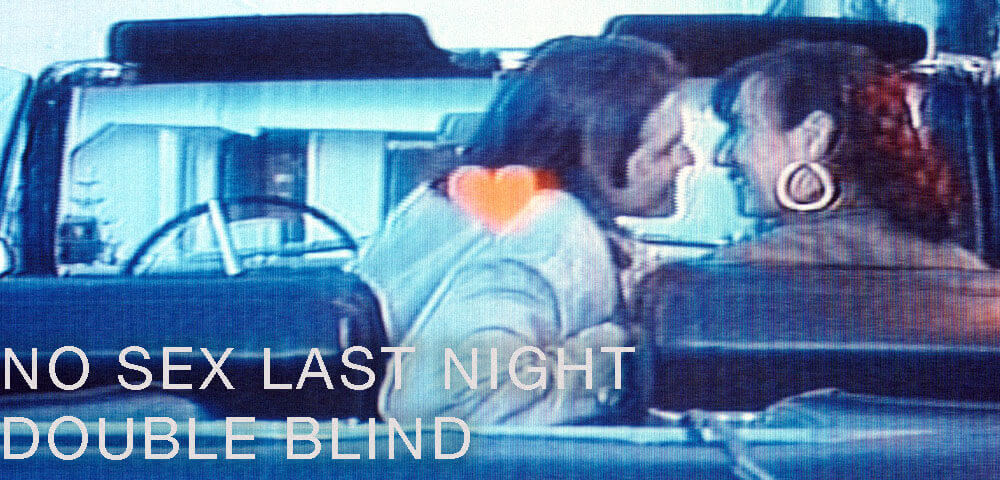
French artist Sophie Calle turns her typically voyeuristic impulses inward, dragging her former lover, American photographer Greg Shephard, along for the ride in this fraught and daring auto-ethnographic documentation of romance on the rocks.
NO SEX LAST NIGHT begins with Calle “burying” her friend, the gay autofictional novelist Hervé Guibert, before embarking on a road trip from New York to California with Shephard in an untrustworthy Cadillac. The lovers, who have not lived together long, have their camcorders ablaze the whole way. Meant to be Calle’s first video project, the two photographers found themselves primarily interested in still images, and frozen excerpts from the camcorder footage make up most of the runtime.
Special thanks to Electronic Arts Intermix and Micah Gottlieb.
Originally screened in February 2025 as part of the annual series Anti-Valentines.
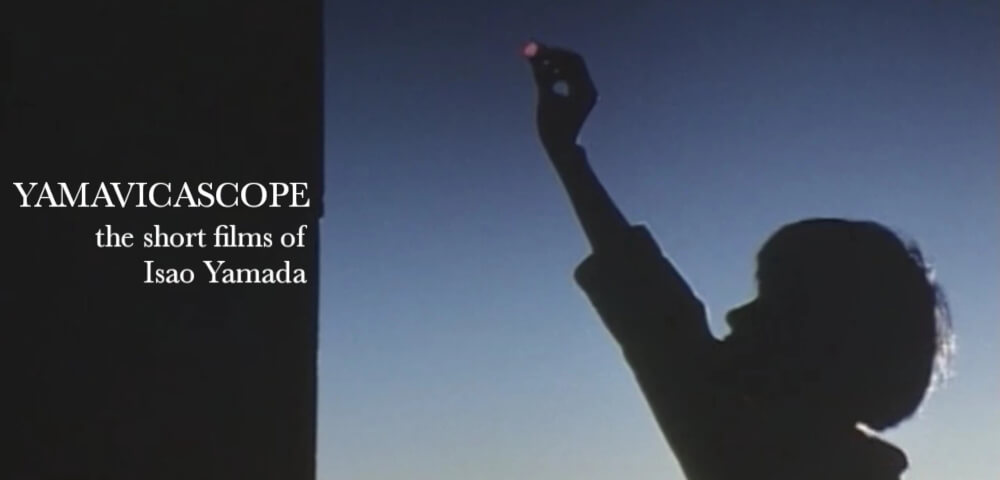
YAMAVICASCOPE: THE SHORT FILMS OF ISAO YAMADA
THURSDAY, JANUARY 8 – 10 PM
MONDAY, JANUARY 12 – 10 PM
SATURDAY, JANUARY 24 – 10 PM
TUESDAY, JANUARY 27 – 7:30 PM
Since 1977, Isao Yamada, director of instant Spectacle classic I’VE HEARD THE AMMONITE MURMUR, has produced over a hundred experimental short film-poetries in a collection he calls Yamavicascope. These films emphasize the “non-digital optical sensation” produced by the 8mm (and occasionally 16mm) film with which they are shot and hand-edited by Yamada. This emphasis on materiality is seen throughout his artistic output, which includes paintings, manga, graphic design, and a calligraphic font known as “Yamada-moji,” which he uses for the titles and type in his films.
We are proud to present a condensed version of our original YAMAVICASCOPE retrospective, a career-spanning glimpse into the director’s “private films.”
Special thanks to Eiichi Aso, Yamavica Film, and YHI.
Originally screened in March 2025.
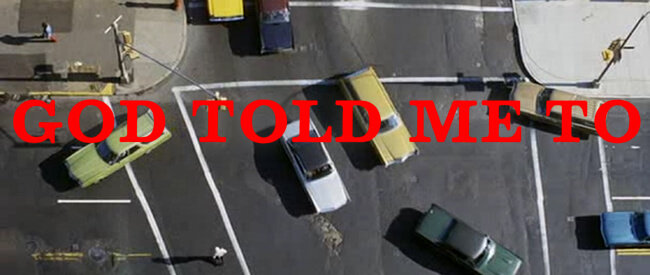
GOD TOLD ME TO
Dir. Larry Cohen, 1976
USA, 91 min.
In English.
TUESDAY, JANUARY 13 – 7:30 PM
SATURDAY, JANUARY 31 – 5 PM
In the outrageously radical GOD TOLD ME TO, NYPD Detective Peter J. Nicholas (Tony Lo Bianco) has to deal with some heavy shit when a series of ordinary New Yorkers go on senseless killing sprees, claiming that God told them to. His corrupt fellow cops are skeptical, but Nicholas, a shame-ridden closet Catholic who sneaks off to church every morning behind his girlfriend’s back, has a bad feeling that the violence is, in fact, divine in nature.
Who else but Larry Cohen could make a film that posits God as a murderous bastard who wreaks havoc on a turbulent New York City, and features a messiah of sorts with a stigmata-vagina on his side who talks about his “ancestahs”? God or whatever it is communicates through a cadre of twelve Wall Street types, suggesting that he’s learned a thing or two since the last time he came around to earth and got himself killed. The film’s climax takes place in a burned-out Bronx tenement and involves a variation on sex between men that would make many a Catholic tremble with sacrilegious excitement.
Presented on 16mm.
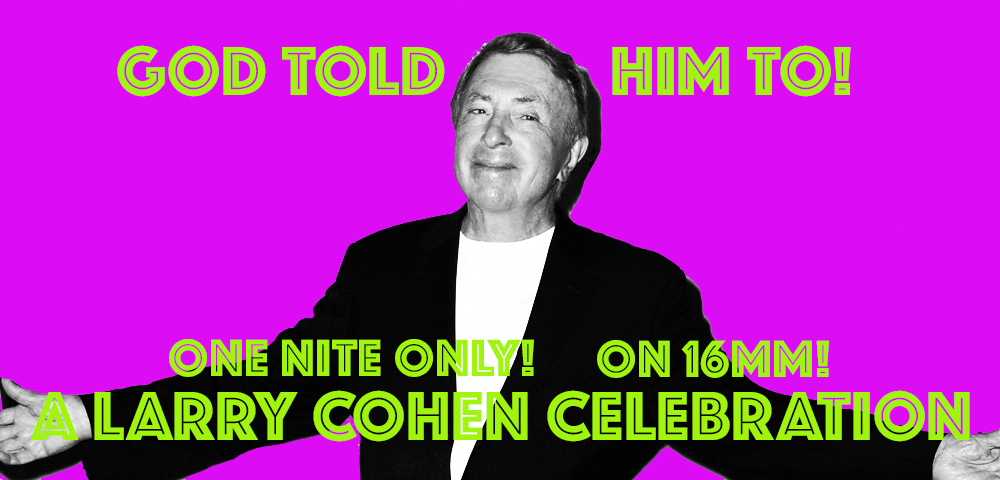
Screened in November 2025 as part of God Told Him To: A Larry Cohen Celebration.
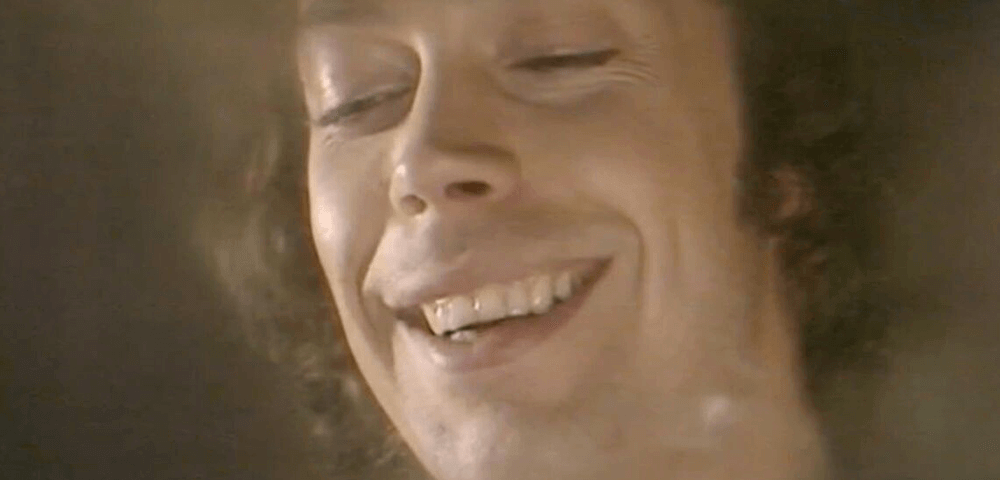
SCHMOEDIPUS
dir. Barry Davis, 1974
UK, 67 mins.
In English.
TUESDAY, JANUARY 6 – 7:30 PM
SATURDAY, JANUARY 17 – MIDNIGHT
THURSDAY, JANUARY 22 – 10 PM
MONDAY, JANUARY 26 – 10 PM
Elizabeth Carter (Anna Cropper) is a mild-mannered housewife in a lifeless relationship with her emotionally impotent husband Tom (John Carson), a train engineer. Their mundane existence is disrupted when a mysterious young man named Glen (Tim Curry) arrives at their doorstep, claiming to be the long-lost son Elizabeth had given up for adoption years earlier. As Glen digs his claws deeper and deeper into Elizabeth, secrets from her past are slowly unravelled with a mix of comedy, horror, and surrealism calibrated by Potter with perfect burrowing unease. Curry has rarely been as unhinged and manic, and Cooper matches him in her fearlessness, making for an unsettling family portrait complete with semi-erotic serenade from son to mother that will make you want to take a nice long shower afterward.
Originally screened in July 2025 as part of the series Three Potter Plays: Dennis Potter’s Early Works.
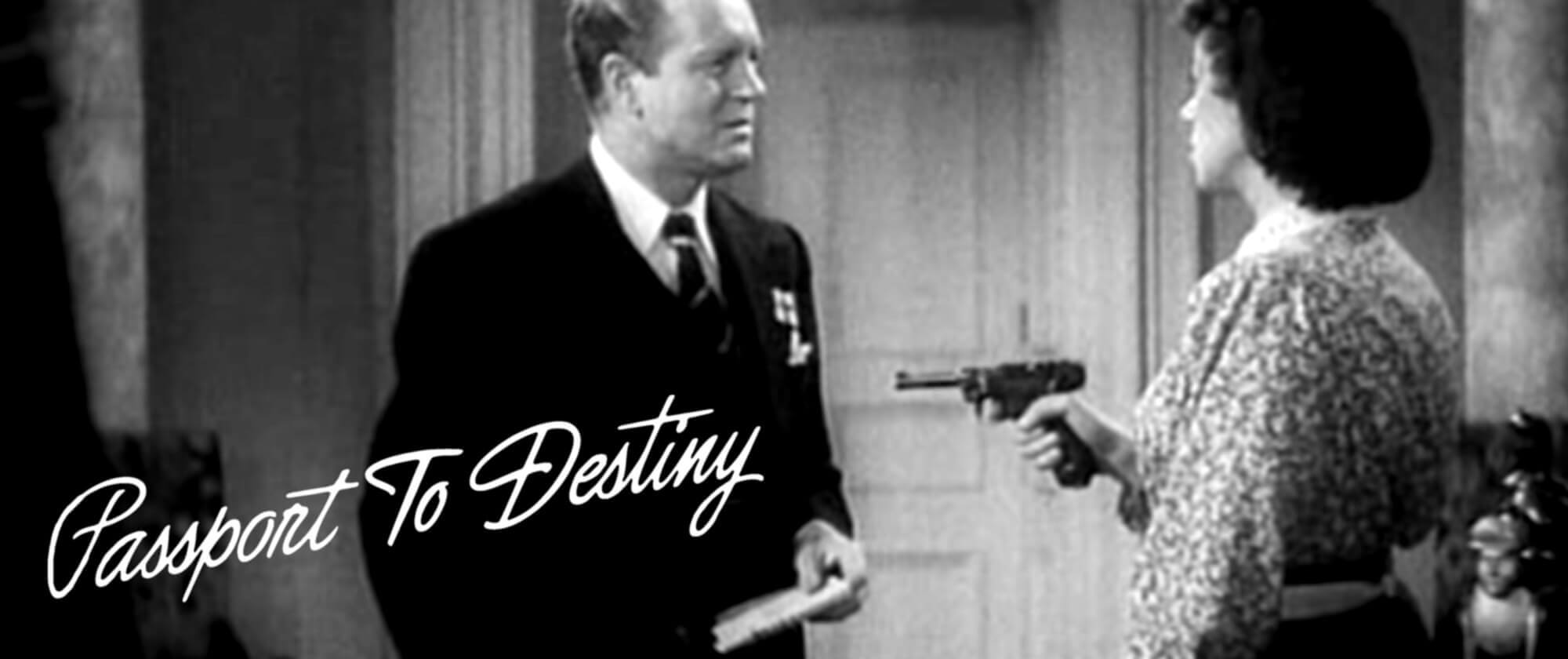
PASSPORT TO DESTINY
Dir. Ray McCarey, 1944.
United States. 65 min.
In English.
16mm.
SATURDAY, JANUARY 3 – 5 PM
MONDAY, JANUARY 12 – 7:30 PM
SATURDAY, JANUARY 28 – 7:30 PM
SATURDAY, JANUARY 31 – 3 PM
“If you had a charmed life, what would you do?”
“I’d find my way to Germany, and I’d give that Mr. bloomin’ Hitler what for!”
Elsa Lanchester (the BRIDE OF FRANKENSTEIN) stars as Ella Muggins, a Cockney cleaning lady who feels proud and empowered in her work attending to the office of the head of the firm. But with the 2nd World War hitting its heights, her working class life in London is soon to be interrupted. After her regimental sergeant major husband perishes (lost not to the war, but underneath a motor truck in Piccadilly Circus) Ella inherits from him a magical amulet. According to her husband who was known for spinning yarns, the amulet—or magic eye—carries with it powers of protection. After a close encounter with a bomb care of the Germans’ air raids, Ella is convinced of her husband’s tall tales, and with a new lease on her ‘charmed’ life, she makes her way to Germany to do what the British military seemingly can’t: kill Hitler.
PASSPORT TO DESTINY is a charmingly hilarious comedic romp, and a lovely piece of anti-Nazi do-it-yourself regime change propaganda care of RKO. With Lanchester turning a brilliant performance as the naively headstrong Muggins, whose fortuitous actions through Germany resemble that of the Mr. Magoo character, who himself would not be created for another 5 years. Released in early 1944 only a handful of months before the Allied forces’ invasion at Normandy, and over a year before Hitler would eventually blow his own brains out.
Presented on 16mm.
Originally screened in August 2025 as part of the series Nudge Nudge Wink Wink.
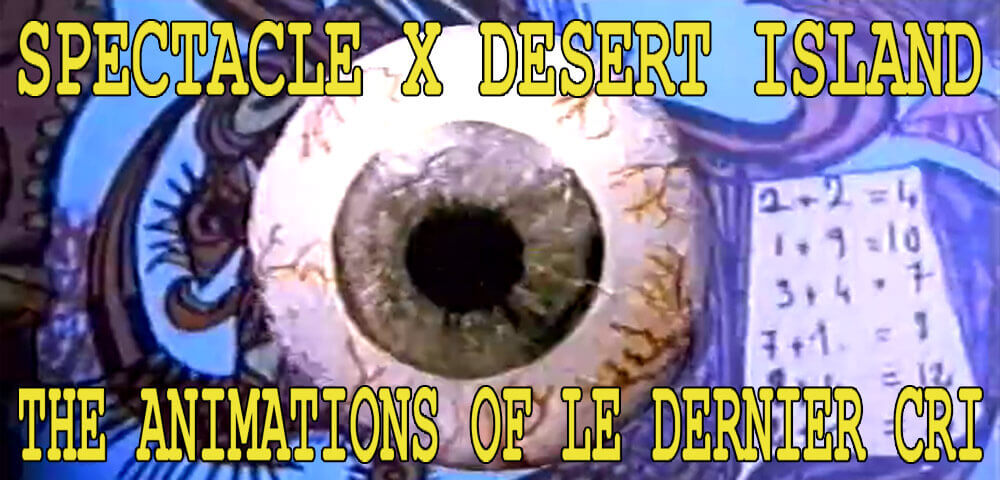
THE ANIMATIONS OF LE DERNIER CRI
SATURDAY, JANUARY 10 – 5 PM
SUNDAY, JANUARY 25 – 5 PM
FRIDAY, JANUARY 30 – 7:30 PM
LE MAUVAIS OEIL
Dir. Pakito Bolino, Stéphane Collin, Bernard Roelandt, 1997.
France, 20 min.
In French.
HOPITAL BRUT
Dir. Le Dernier Cri, 1999.
France, 45 min.
In French.
This past October, we at Spectacle teamed up with Desert Island Comics to serve up two of Le Dernier Cri’s mind-melting manic animations, and we’re thrilled to bring back 2 of their rarely-screened animation compilations! First, we take you into the art studio for LE MAUVAIS OEIL! Originally released as part of the art television program L’oeil du Cyclone, this 20 minute visual assault will set your brain ablaze, slap you across the face, and send you home crying.
If that wasn’t enough, we follow it up with a field trip to the HOPITAL BRUT, one of the most GUNKED UP, electrifying animation jams in recorded human history. During this 45 minute visit you’ll stop by each ward, spend some time with the patients, and try your best to not PUKE! Making use of nearly every animation technique known to man, HOPITAL BRUT is an unforgettable experience not for the queasy-stomached or faint of heart.
Founded by Pakito Bolino and Caroline Sury in 1992, Le Derner Cri has published countless books, zines, and prints by outsider artists like Mike Diana, Matthias Lehmann, Charles Burnes, Fredox, Henriette Valium, Stéphane Blanquet, and many more.
Originally screened in October 2025.
CATHEDRAL OF NEW EMOTIONS
Dir. Helmut Herbst, 2006
Germany. 58 min.
In German with English subtitles.
SATURDAY, JANUARY 3 – 7:30 PM
SATURDAY, JANUARY 10 – MIDNIGHT
TUESDAY, JANUARY 13 – 10 PM
MONDAY, JANUARY 19 – 10 PM
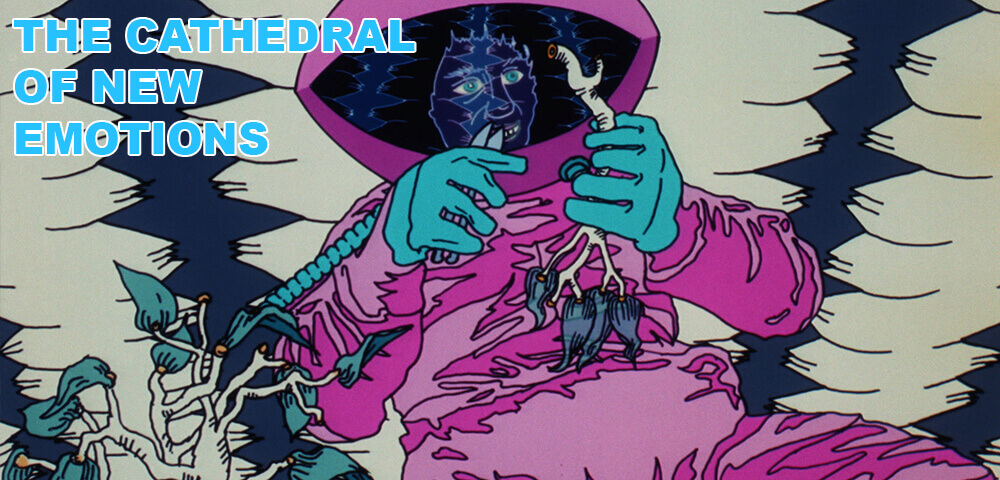
On a shortlist with Eiichi Yamamoto’s BELLADONNA OF SADNESS and René Laloux’s FANTASTIC PLANET as one of the most surreal, psychedelic and truly cosmic animated features ever made, German director Helmut Herbst’s utterly insane THE CATHEDRAL OF NEW EMOTIONS follows a commune of Berlin stoners and intellectuals who get set adrift in space in 1972 in a packing container clutched in a giant flying hand. Various space flotsam smashes into the windshield – enormous insects, Mighty Mouse, a Bird Man from “Flash Gordon” – while hypnotic Krautrock drones in the background moaning “Where am I??”, and a naked man bounces up and down off a massive red pepper. So begins our descent down the psychotic rabbit hole of CATHEDRAL, a true hallucinogenic Space Freakout if there ever was one: imagine Ralph Bakshi animating an R-rated version of John Carpenter’s DARK STAR. The movie’s genesis is equally strange: apparently based on a 1974 film by Herbst called “Die phantastische Welt des Matthew Madson,” CATHEDRAL was eventually finished after a decades-long gestation in 2006. One of the rarest and most obscure tiles in world animation.
Originally screened in December 2024 as part of the series Eek Eek Ork: A Showcase of International Cosmic Animation.
INTERCAT 2025
FRIDAY, JANUARY 16 – 7:30 PM
SATURDAY, JANUARY 17 – 5 PM
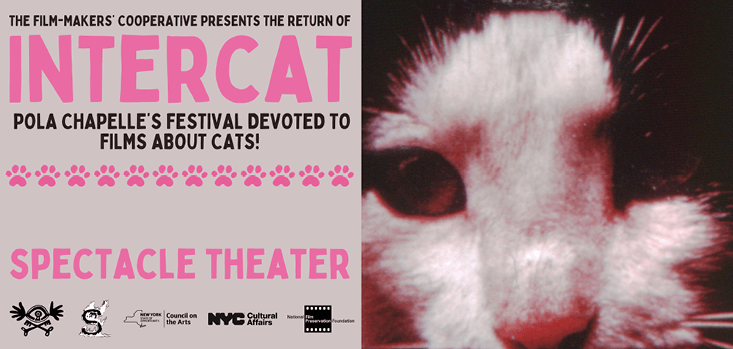
In 1969, Pola Chapelle founded INTERCAT: The First International Cat Film Festival, which began as a five-hour program of films about cats that played at New York City’s Elgin Theatre. Through 1976, INTERCAT reappeared intermittently and toured Boston, Philadelphia, Paris, Berlin, Amsterdam, Sydney, and Winnipeg. Among the numerous feline flicks that screened at INTERCAT in those years were the kitten sequence from François Truffaut’s DAY FOR NIGHT (1973) and Maya Deren and Alexander Hammid’s collaboration made three years after MESHES OF THE AFTERNOON, titled THE PRIVATE LIFE OF A CAT (1946). In 2016, the festival was briefly revived at Bard College. 56 years after its original incarnation, Spectacle is cat-atonic with excitement to host the Film-Makers’ Cooperative to bring INTERCAT back to New York City.
INTERCAT’s appeal is immediate: a festival devoted entirely to films about cats is catnip for any cat lover. Moreover, with INTERCAT, Chapelle forecasted the ubiquity of cat images and videos in the digital age. Dubbed by Thought Catalog as the “unofficial mascot of the Internet,” cats are easily the most-viewed and shared domesticated animal on the net. From the widespread proliferation of cat memes and TikTok videos, to viral feline celebs like Grumpy Cat and Lil Bub, there’s no denying cats’ domination of visual media on the World Wide Web in the 21st century. This phenomenon has even been the subject of the book How to Make your Cat an Internet Celebrity: A Guide to Financial Freedom, the Museum of the Moving Image’s 2015 exhibition How Cats Took Over the Internet, and the annual Internet Cat Video Festival (of which INTERCAT is an obvious progenitor).
HOW TO DRAW A CAT
Dir. Pola Chapelle, 1973.
United States. 3 min. 16mm.
FISHES IN SCREAMING WATER
1969. United States.
6 min. 16mm.
NIGHTCATS
Dir. Stan Brakhage, 1956.
United States. 8 min. 16mm.
MAX
2002. United States.
4 min. 16mm.
OPHELIA / THE CAT LADY
Dir. Tom Chomont, 1969.
United States. 3 min. Digital.
MY CAT GETS AN AURA READING
Dir. Peggy Ahwesh, 2011.
United States. 1 min. Digital.
CATFOOD
Dir. Joyce Wieland, 1968.
United States. 13 min. 16mm.
THE WHITE CAT
Dir. Mary Ann Spencer, 1969.
United States. 2 min. 16mm.
THE NEIGHBORHOOD CAT
Dir. Sarah Jane Lapp, 1999.
United States. 2 min. 16mm.
MEOW, MEOW
Dir. Yvonne Andersen, 1970.
United States. 7 min. 16mm.
INTERCATMISSION
CURLY’S THANKSGIVING
Dir. Bill Morrison, 2020.
United States. 12 min. Digital.
IF THIS AIN’T HEAVEN
Dir. Roberta Cantow, 1984.
United States. 27 min. 16mm.
Presented on 16mm.
Co-programming and text co-written by Matt McKinzie and Robert Schneider (the Film-makers’ Cooperative). Special thanks to Roberta Cantow, Mackenzie Lukenbill, Will Hair, Stephanie Monohan, and Nate Dorr.
Originally screened in May 2025.
DESPISER
Dir. Philip J. Cook, 2001
United States. 104 minutes.
In English.
SATURDAY, JANUARY 3 – MIDNIGHT
THURSDAY, JANUARY 22 – 7:30 PM
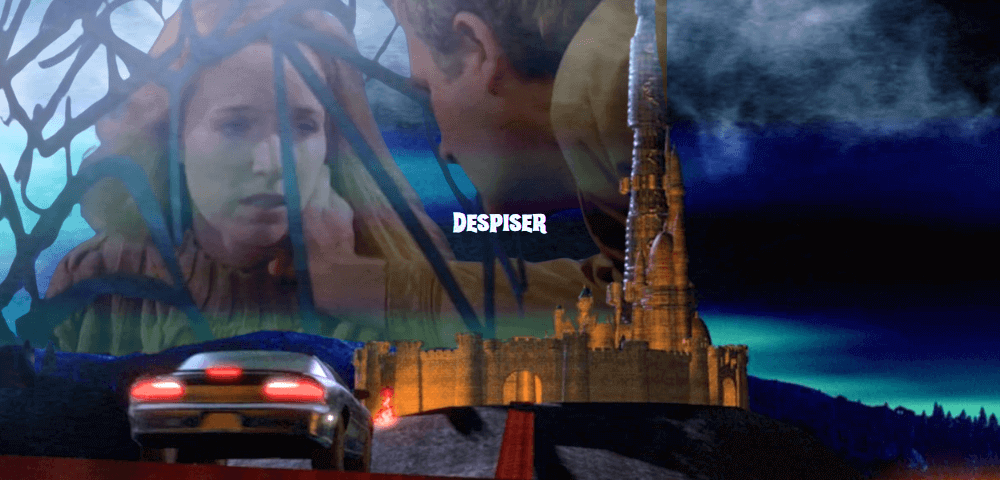
In purgatory, there is no salvation. But there are a lot of flipped CG cars. The king of home-spun CGI, Philip J. Cook blessed the world with DESPISER in 2003 , a feature film filled with earnestness, polygons and gunslinging chase scenes. A political advertisement maker by day, Philip Cook found a creative outlet in the world of SFX, bringing to life the big budget sci-fi scripts he had written in the 80s. Phil worked on Don Dohler’s NIGHTBEAST in the 80s, making miniatures and filming SFX shots in his living room. Inspired by Dohler as well as Gerry Anderson (SPACE:1999), Phil set to work making his own films.
Described by Cook as “the story of an artist who travels to purgatory to rescue his wife from despotic forces,” DESPISER is a time capsule of the creativity in an age where at-home access to digital graphics programs was still new. Filmed in 1998 but released in 2003, DESPISER surfed the early wave of capturing performances on blue and green screen to be inserted in totally digital worlds before films like SPY KIDS of SIN CITY popularized the look. This indie gem of pure creativity stands as a testament to what one man can do with a computer and a lot of time.
Originally screened in October 2025 as part of the series King of Homespun CGI: Philip J. Cook.
Kill The Moonlight
Dir. Steven Hanft, 1994
United States, 76 min.
In English.
TUESDAY, JANUARY 6 – 10 PM
FRIDAY, JANUARY 16 – MIDNIGHT
THURSDAY, JANUARY 29 – 10 PM
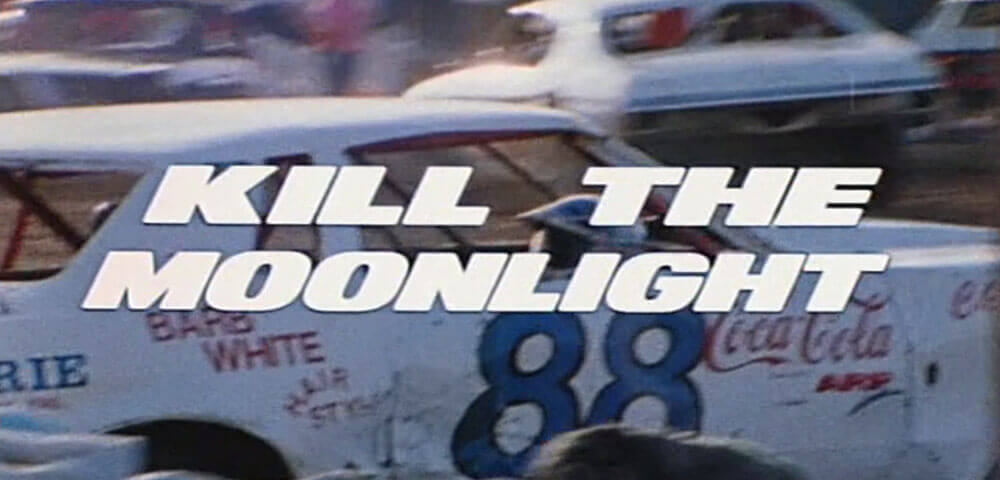
Chance is a stock car driver with a busted car. He’ll do just about anything to scrape up the cash to race. He’ll collect cans, he’ll feed the fish down at the hatchery, he’ll clean toxic chemical spills, he’ll even sell coke on the highway. Will Chance ever race again? Will he win back his wife Sandra? Will the hacking cough that he picked up cleaning toxic chemicals go away? Find out this August at Spectacle when you see… KILL THE MOONLIGHT!
Written and directed by prolific music video filmmaker Steven Hanft, this movie is a masterpiece of indie Gen-X slacker cinema. Featuring music by Beck, The Pussywillows, The Dynamics, and many more!
Originally screened in August 2025.
THE PASSING
Dir. John Huckert, 1984.
United States, 96 min.
In English.
FRIDAY, JANUARY 9 – MIDNIGHT
THURSDAY, JANUARY 15 – 7:30 PM
SATURDAY, JANUARY 31 – MIDNIGHT
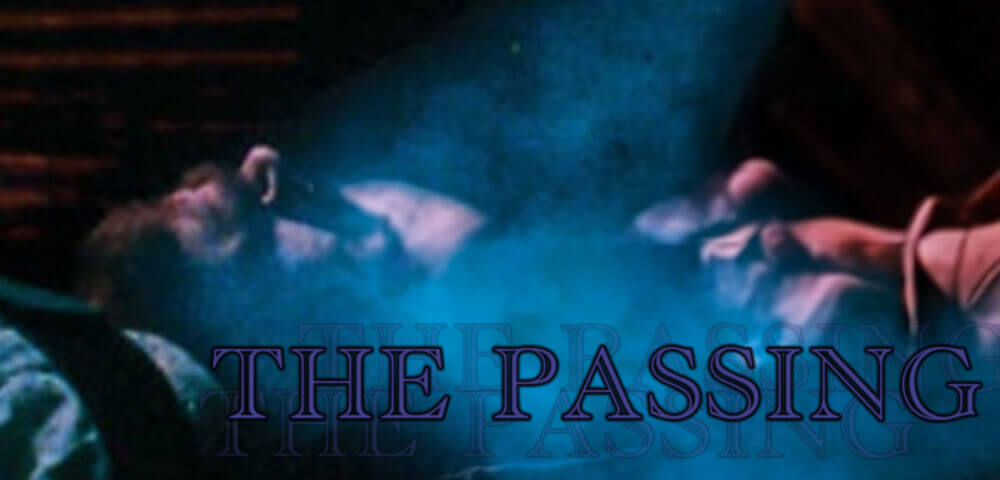
An elderly veteran is forced into an experiment where his consciousness is transferred into the body of a death row prisoner.
Produced on a budget of less than $100,000 over seven years by director John Huckert, THE PASSING is a heartfelt and thought-provoking exploration of aging, loneliness, and mortality. The film is elevated by the compelling performances and authentic on-screen chemistry of its two elderly leads, James Carrol Plaster and Welton Benjamin Johnson, who reflect deeply on their lives and relationships—described by author Arthur C. Clark (2001: A SPACE ODYSSEY) as “Amazing! Deeply moving.” THE PASSING remains a rare and touching gem, having seen limited exposure beyond its brief week-long theatrical run in 1985.
Originally screened in October 2025 as part of the annual Spectober series.
MIIKE MADNESS ENCORE PRESENTATION
XXXXXXX
dir. Takashi Miike, 2001.
Japan, 150 mins.
In Japanese with English subtitles.
FRIDAY, JANUARY 2 – 10 PM
SUNDAY, JANUARY 18 – 5 PM
WEDNESDAY, JANUARY 28 – 9 PM
A soulful yakuza epic that bridges the gap between Fukasaku and Kitano, largely unseen by western audiences who were already going to Miike for grossouts rather than emotional depth.
Originally screened in October 2025 as part of the Miike Madness Marathon.
VEERANA
(Deserted Place)
dir. Shyam and Tulsi Ramsay, 1988
India, 140 mins.
In Hindi with English subtitles.
MONDAY, JANUARY 19 – 7 PM
SUNDAY, JANUARY 25 – 7 PM
FRIDAY, JANUARY 30 – 10 PM
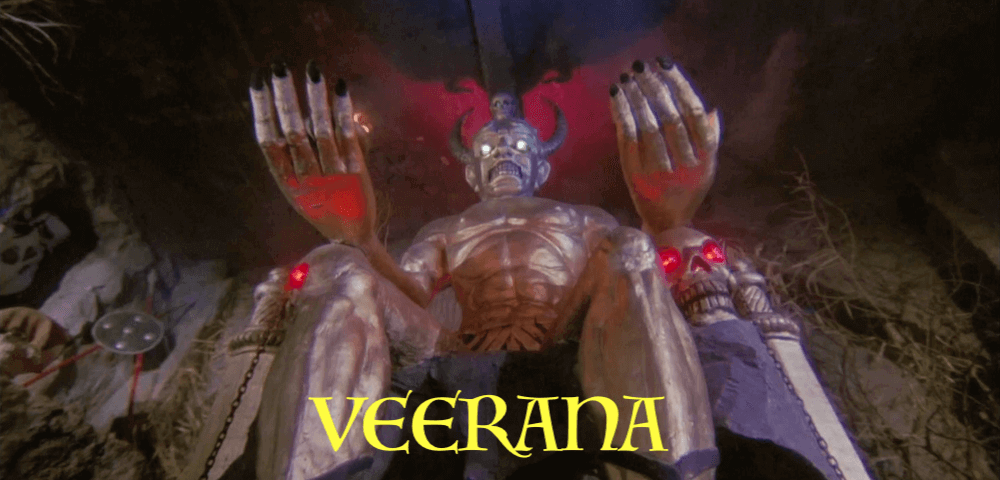
A “uniquely surreal possession movie” (Grady Hendrix, Film Comment) starring the model Jasmin in her only significant film role as a young woman possessed by a seductress demon who (in a typical Ramsay touch) is introduced and vanquished in the pre-credits sequence before returning to torment a new generation. Perhaps the pinnacle of the Ramsays’ art, Veerana features their groddiest monster makeup and most sinister servants, with setpieces drawing alternately from arcane religious superstition and meta-modern references to horror masters like Hitchcock (comically) and Hooper (plagiaristically).
Originally screened in March 2025 as part of the series Doom Boom: Bollywood Horror from the Ramsay Brothers.
MONSTERS
Dir. Sara Driver, Bette Gordon, Lizzie Borden, 1988-1990
United States. Approx. 100 mins.
In English.
MONDAY, JANUARY 5 – 10 PM
SATURDAY, JANUARY 17 – 7:30 PM
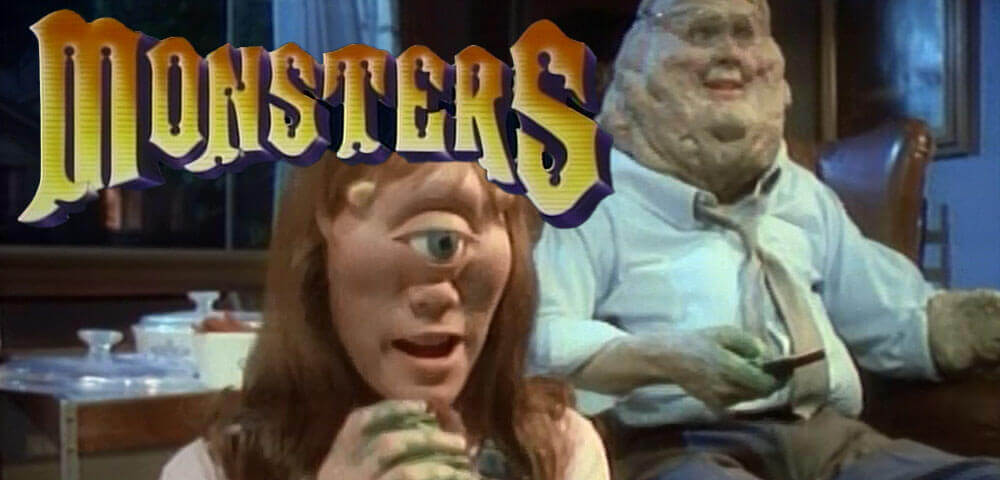
In an all-American suburb, in an anonymous house, a family of one-eyed monsters sit down in front of their television to enjoy their favorite program…
So begins each episode of MONSTERS, an anthology of televised spooks created by TALES FROM THE DARKSIDE’s Richard P. Rubenstein and Mitchell Galin. While not every entry was necessarily horrific, each twenty minute tale was chock-full of animatronics and goopy makeup effects, with stories that ranged from sly, to unnerving, to downright goofy.
But it’s the slate of directorial talent that makes MONSTERS such a wild gem of a show, ripe for rediscovery. MONSTERS served as stable employment for post-no wave New York, recruiting several of Spectacle’s favorite filmmakers, including Sara Driver (SLEEPWALK), Bette Gordon (VARIETY), and Lizzie Borden (BORN IN FLAMES, WORKING GIRLS). On-screen talent included Mary Woronov, Steve Buscemi, Lili Taylor, and numerous cameos from horror royalty.
Originally screened in October 2025.
CHILD OF PEACH (捉鬼雜牌軍)
dirs. Chen Chun-liang & Chiu Chung-hing, 1987
Taiwan. 97 min.
In Mandarin with English subtitles.
SATURDAY, JANUARY 10 – 3 PM
THURSDAY, JANUARY 15 – 10 PM
SATURDAY, JANUARY 24 – 3 PM
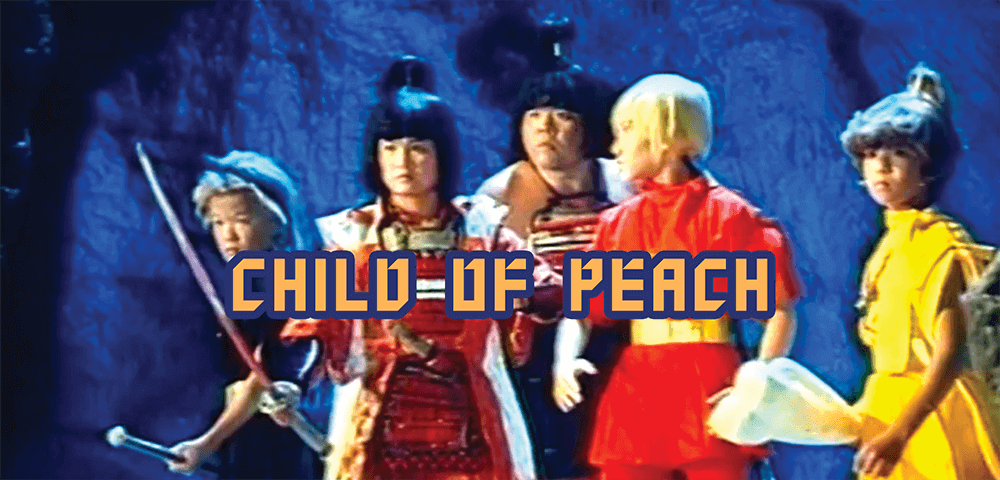
High up in the Himalayas lies the Peach Garden, an idyllic paradise where flora and fauna flourish thanks to the natural power of the Sword of the Sun. When the monstrous Demon King (Huang Chung-yu) invades the Garden to claim the sword for himself, the Garden’s master and his wife send their only son down to Earth where he’s endowed with super-human abilities. Years later, the teenage Peach Kid (Lin Hsiao-lu) teams up with former guardians of the Garden— three shape-shifting superpowered children named Tiny Dog, Tiny Monkey, and Tiny Cock— to banish the Demon King once and for all.
Loosely based on the Japanese fairy tale, Momotarō, and incorporating healthy doses of Journey to the West and Superman lore, CHILD OF PEACH has become the gold standard for Taiwanese action fantasy. The film spawned two semi-related sequels and has since become a cult classic for its barrage of ridiculous ideas, spanning everything from witches and zombies to human-shark hybrids and fruit-based mecha. Its directors, Chen Chun-liang & Chiu Chung-hing, each went on to helm some of the genre’s heaviest hitters (as this series demonstrates), while its star, Lin Hsiao-lu, built her own cottage industry out of playing magically-powered children across films like KUNG-FU WONDER CHILD, KING OF THE CHILDREN, and DRAGON KID.
Originally screened in May 2025 as part of the series Peaches & Herbs: Taiwanese Action Fantasies.
UNEARTHLY POETIC VISIONS: WILL HINDLE
SPRING 2026 DATES TO BE ANNOUNCED
The colorful, quirky style that is associated with the members of the West Coast experimental film scene has long been defined by the foundational work of Bruce Baillie, Robert Nelson, and Pat O’Neill. D
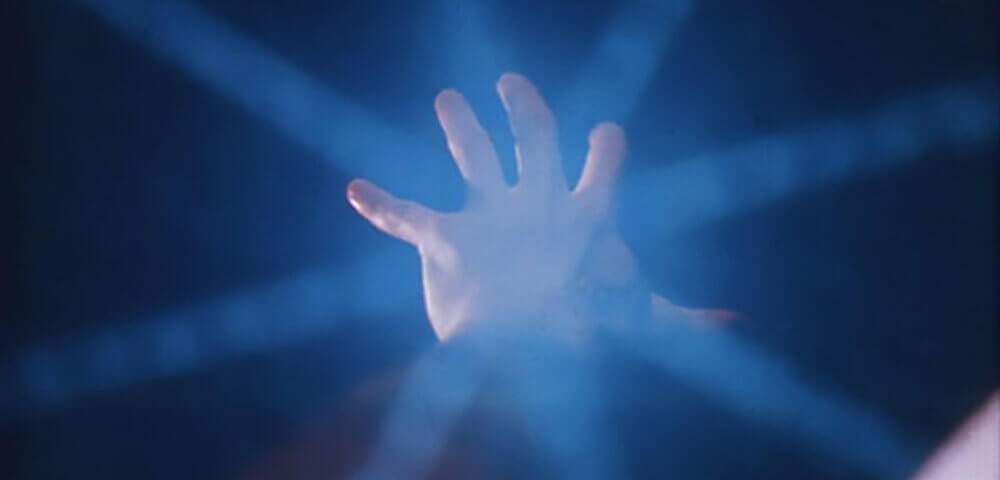
espite being every bit as critical to that scene’s origins and their subversions of New Age aesthetics, the small body of work that Will Hindle (1929-87) left behind has frequently resulted in many of his 11 films being far more discussed than seen. The increasing rarity of prints in good condition has further contributed to a certain obscurity, despite praise from writers such as Amos Vogel and Gene Youngblood. Happily, the breadth and depth of his work has experienced something of a revival in appreciation, with Joshua Minsoo Kim of Tone Glow putting together the first complete retrospective of Hindle’s filmography, Unknown Nostalgia, at Chicago’s Sweet Void Cinema in December 2024.
Spectacle is proud to bring its own variation on the second-ever complete Hindle retrospective, functioning as both the first in New York City and the first opportunity to watch all 11 of his films in chronological order. This retrospective encompasses nearly 30 years of filmmaking, with all his films shown
on 16mm prints and several being presented via the sole distributable prints in good condition. Gene Youngblood declared Hindle as possessing “an uncanny ability for transforming unstylized reality into unearthly poetic visions,” and “[an] ability to invest a technical device with emotional or metaphysical content [that] is truly impressive.” NYC audiences will now be able to appreciate the technical assurance and beauty behind these poetic visions.
Co-programmed by Andrew Reichel and Giovanni Santia. Special thanks to Joshua Minsoo Kim, Mark Toscano, and Canyon Cinema.
Originally screened in July 2025.