REVELATIONS OF DIVINE LOVE

REVELATIONS OF DIVINE LOVE
Caroline Golum, 2025
United States. 75 mins.
In English and Latin with English subtitles

FRIDAY, APRIL 24 – 7:30 PM (Q&A with director Caroline Golum and special guests)
SATURDAY, APRIL 25 — 7:30 PM (Q&A with director Caroline Golum and special guests)
SUNDAY, APRIL 26 — 7:30 PM (Q&A with director Caroline Golum and special guests)
BUY TICKETS

The second feature from New York-based filmmaker, writer, and collective member Caroline Golum loosely adapts the writings of 14th-century English mystic Julian of Norwich into a timely story of passion, plague, and revolt. Newcomer Tessa Strain stars as Julian, whose near-death encounters with Christ (Abraham Makany) ultimately inspired the first book in English written by a woman. Encouraged by her mentor Father Ambrose (Theodore Bouloukos, seen in Eephus and Spec favorite Jobez’s World) Julian commits herself to the life of a religious recluse – but it’ll take more than a stone-walled cell to keep the earthly world at bay.

With its handwoven, crafty aesthetic, meticulous lighting, and decidedly medieval visual compositions from Familiar Touch cinematographer Gabe Elder, Revelations is a decidedly unfashionable, unapologetically sincere answer to the current assembly line approach to independent filmmaking. Evoking the “transcendental” works of beloved auteurs Martin Scorsese, Pier Paolo Pasolini, and Andrei Tarkovsky, Spectacle Theater is proud to host this weekend engagement of REVELATIONS OF DIVINE LOVE with special guest Q&As following the screenings.


FILM DIARY 4: GO TO THE MOUNTAINS AND PRAY

FILM DIARY NYC is a biennial festival of experimental, autobiographical films that capture the personal history and daily experiences of the filmmaker. The 4th edition, “go to the mountains and pray,” features 170 new works by a diverse array of artists from across the world. The opening night shorts program, in its 4th year at Spectacle, features 9 films that represent the range of the festival programming: from the formally experimental to the observational; from documentary to auto-fiction; from found footage and new media to 16mm and analogue film techniques.

SATURDAY, JUNE 21 – 7:30PM w/ filmmakers in attendance (this event is $10)

SPECIAL EVENT TICKETS

RADIO JAMMER
dir. Jacob Kessler, 2025
United States. 20 mins.

A fragmentary 16mm portrait of the lonely lives that haunt Chicago’s underground rap scene.

SKINNY DIPPING
dir. E. Jane, 2025
United States. 8 mins.

An autodocumentary/video essay about my attempt to peacefully skinny dip in a lake in Maine as a private performance, reflecting on surveillance culture, performance, and the Black femme body.

POOR KNEE; [LOOSE TONGUE]; TRIGGER FINGER زانوی بیچاره؛ {زبان شُل}؛ انگشته شکسته
dir. Fatemeh Kazemi, 2025
Iran. 12 mins.

Contemplating the dissolution of our sorrows, how grief detaches from the body, floating through a digital dreamscape in search of refuge within fragmented memories, yet never quite finding its vessel.

JUST BELOW HEAVEN
dir. Cameron A Granger, 2025
United States. 9 mins.

A pigeon who lives a life of captivity as a test subject of behavioral scientist B.F. Skinner, dreams of freedom and the collapse of empire.

TRACE ON MY BODY
dir. YUE Hua, 2025
China. 3 mins.

In spring 2023, a physical illness forced me to re-examine my relationship with my body.

Drag me, drop me, treat me like an object
dir. Vega Royer-Gaspard, 2024
France. 7 mins.

In her teenage bedroom, a young girl spends her days writing about her growing obsession for her classmate.

EVERYDAYAF
dir. Art Jones, 2025
United States. 5 mins.

Black and white on the beach, re-manipulated news clips, and 3-dimensional wanderings.

FREEDOM OF MOVEMENT
dir Fadl Fakhouri, 2025
United States. 23 mins.

A poetry film that draws comparisons between haflat shabab (Palestinian bachelor parties), Oakland California’s illegal rave scene, and the Israeli occupation of Palestine.

SEEK BEYOND
dir. Louis Scantlebury, 2025
United Kingdom. 4 mins.

A brand slogan triggers a spiritual crisis.

TRT 96 MINS.

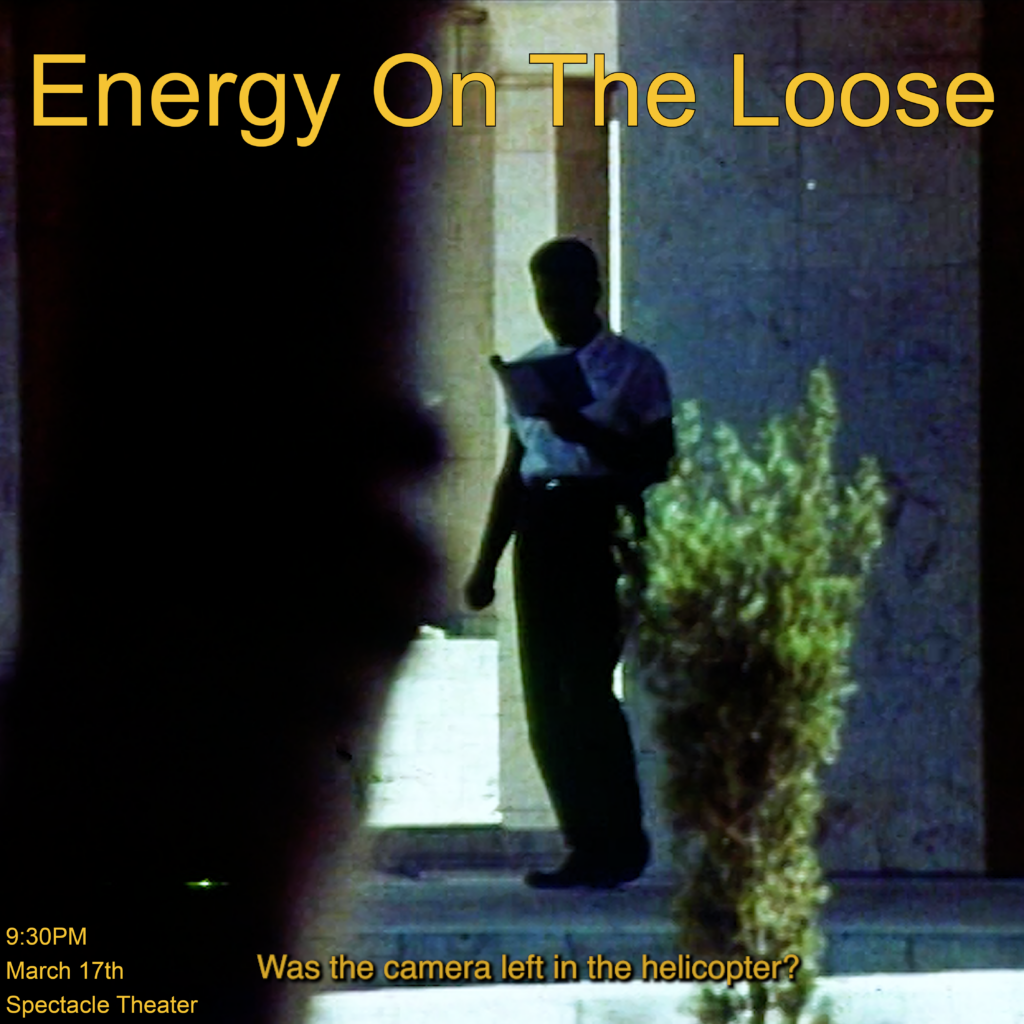
ENERGY ON THE LOOSE: Short Film Program

Tuesday, March 17 – 9:30PM w/ an introduction by Zach Hart.

ONE NIGHT ONLY. SPECIAL EVENT TICKETS HERE.

In 1945, WWII ended with a nuclear explosion. As a result, the Nazi’s couldn’t finish many planned infrastructural projects, and the production of a hydroelectric power plant on the Drava River remains incomplete. The power plant was finished by Yugoslavia in 1960. In 1957, Iran and the US signed an agreement to conduct civil nuclear research. The same year, Iran began the production of the seventy-six million dollar Karaj Dam constructed by the Morrison-Knudsen firm of Boise, Idaho. In 1970, the French filmmaker, Albert Lamorisse fell to his untimely death while documenting the dam. In 1978, the film which Lamorisse was shooting during his death was finished by his widow and son. The same year, Austria voted on a referendum banning the ‘peaceful’ production of nuclear power effectively shutting down the freshly built Atomkraftwerk Zwentendorf.

Energy takes on multiple forms and fills different shaped containers. It often moves before it gets released. It can move from one state to another, across oceans or from liquid to solid. Its form can become quite abstracted from the real world implications which raw energy is thought to produce. For instance, money itself can be energy, as it fuels the production of huge infrastructural projects that in turn generate less abstracted forms like electricity. Electricity, which can be generated from hydropower, can then be used to fuel AI factories in Slovenia. Perhaps the electricity generated from the Keraj Dam provides the power which allows Iranian’s in the region to connect to the internet. But, as we know now, energy is not so democratically distributed, but its production has been democratically rejected. Any finite resource can be used as a tool of political repression. Regardless of an energy‘s shape, once harnessed it’s rarely released without some form of supervision, or at least some documentation of all its potential. This program juxtaposes the intricate, problematic and occasionally interwoven histories of Iranian, Slovenian and Austrian energy infrastructures; their production and use, their documentation and their eventual reception from the population.

POSTSCRIPT
dir. Parastoo Anoushahpour, Faraz Anoushahpour, Ryan Ferko, 2021

Canada. 30 min. In Farsi with English subtitles.
30 min | 16mm to HD | Canada | 2021

We know Albert Lamorisse for his red balloon floating in the Parisian sky, yet we know less about how he was finally caught out by gravity. Invited in 1968 by the Shah to make a film glorifying the history and flourishing development of Iran, the French filmmaker died two years later during a helicopter shoot that he wanted to make into the narrational throughline of The Lovers’ Wind, or in the Farsi version, Bād-e Sabā, after the name of a northeast wind, perhaps the one that hastened his crash. Shedding light on this story, the work of Parastoo and Faraz Anoushahpour and Ryan Ferko first materialised as a multi-channel video installation in 2024 at the Mercer Union in Toronto. While Lovers’ Wind restaged and manoeuvred elements from the original film and its author’s life – particularly, another forgotten fact, that he was the inventor of Risk, a board game of conquest – to assess his legacy and give new meaning to his fragments. Postscript combines a phone conversation between Faraz Anoushahpour and a curator from the Iranian National Film Archive with the last images filmed by Lamorisse, supposedly recovered from the wreck. During a conversation whose tone shifts from interrogation to investigation and speculation, the anonymous interlocutor cites her different sources, describes the diverse versions and twists and turns, methodically points up their ecosystem, so effectively that the document seems to fall apart in the historical and symbolic network that it ignites.

– Antoine Thirion, Cinema du Réel

Atomkraftwerk Zwentendorf
dir. Hope Tucker, 2018
Austria/United States. 17 min.

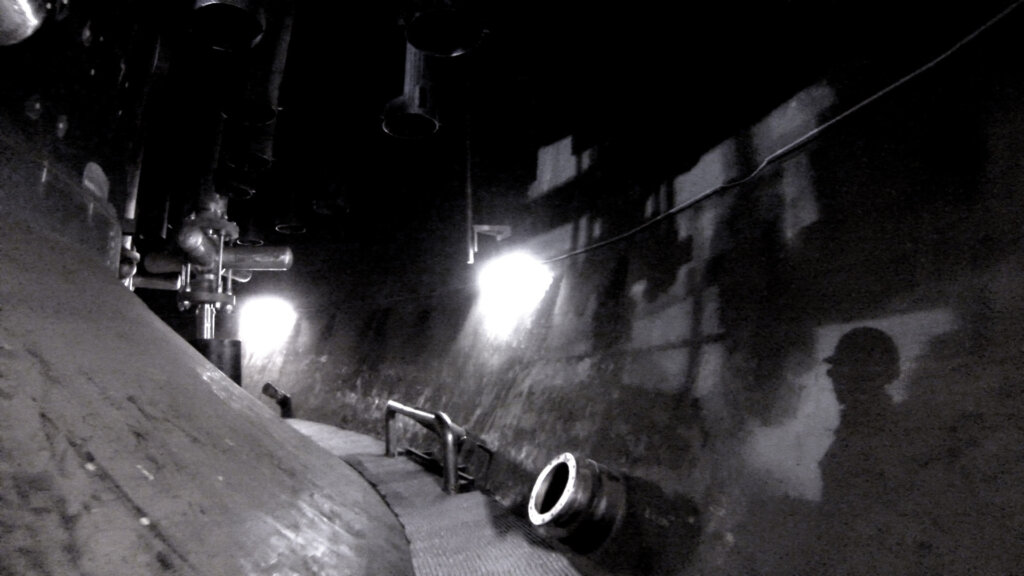
Forty years ago Austrians voted against opening a nuclear power plant that had already been built. Atomkraftwerk Zwentendorf is a monument to the power of public protest and the potential of a democratic vote. After catastrophic flooding across Europe, Hope Tucker visited the nuclear power plant outside of Vienna that would have been powered by the same model reactor as Fukushima. Atomkraftwerk Zwentendorf has an edit structure based on the chain of action in a boiling water reactor power plant and the path of protest that kept this plant from opening. Sound design incorporates a recording of the Tohoku earthquake.

the sun that fell into the water
dir. Lena Kocutar, 2025
Germany/Slovenia. 21 min.

the sun that fell into the water imagines human presence at the intersection of the intimate, the mechanical, and the political. An entry point and a case study is the story of a hydropower plant, narrated by a child. To fuel the war, NS-Germany set to expand energy infrastructure in the territories annexed and occupied. The construction of the plant at the Maribor river island, present-day Slovenia, began under the occupation regime and was completed in 1960, Yugoslavia. It is operational ever since.

The plant will now power an Al Factory, a high-performance computing and data centre, currently in construction, with some of the river sidetracked as cooling water for the centre. Its promoted application is to monitor the waters of the world, presented in the aftermath of extensive floods in the region.

The work is partly recorded with thermal camera, infrared vision that prioritises heat over visible light. It is vision that maps presence that lingers, blurs the line between inside and out, between the living and nonliving, revealing something of the world heating up.

NUMBSKULL REVOLUTION

NUMBSKULL REVOLUTION
dir. Jon Moritsugu, 2026.
US, 95 min.

$10 SPECIAL EVENT

NEW YORK PREMIERE!
FILMMAKER IN PERSON

FRIDAY, MARCH 13 — 7:30 PM
SATURDAY, MARCH 14 — 7:30 PM

BUY TICKETS

We can’t believe we’re saying it—Spectacle’s beloved purveyor of scum-at-large (MOD FUCK EXPLOSION, TERMINAL USA) is headed back to the theater with his first new work in over a decade. We’re thrilled to welcome a true original in person for the New York premiere of NUMBSKULL REVOLUTION, a fully-realized, years in the making DIY opus that concludes Moritsugu’s 29-years of collaboration with his ex-partner, the artist Amy Davis.

Davis stars alongside eternal west coast punk heartthrob James Duval as a duo of warring conceptual artists in a dystopian future plagued by the cyberdrug “Skullfuck.” Shot over a period of two weeks in Marfa, Texas and Sante Fe, New Mexico in a collage of HD and miniDV, NUMBSKULL REVOLUTION is a rapturously colorful satire, full of the filmmaker’s unmistakable capability for endless invention, and a dagger-like salute to the stupidity of it all.

The director describes the film as “a riff on the absurdity of art, warfare of people, material control/secular terror, addictions of every genre, and self-actualization thru internal Jungian conflict,” or more succinctly, “a punk rock BLADE RUNNER for artists.”

“Flash-and-trash attitude… all the ingredients of good revolutionary cinema.”
New York Post

“Moritsugu is a true visionary who knows how to meld images and sound.”
    –Los Angeles Times


STRAY CAT ROCK

TICKET LINK & PROGRAMMING DATES TO BE ANNOUNCED IN APRIL

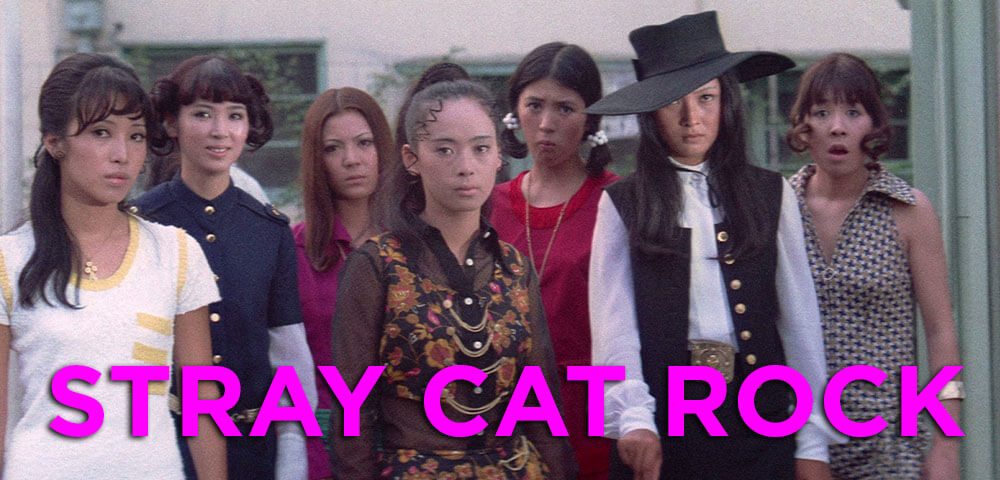
Filmed in rapid succession throughout 1970, the STRAY CAT ROCK series captures a moment of cultural upheaval in post-occupation Japan. The five-film series follow the Alleycats, a girl gang led by the magnetic Meiko Kaji (who goes by many names throughout the series, and would soon go on to star in the iconic LADY SNOWBLOOD (1973) and FEMALE PRISONER SCORPION series (1972-73)). STRAY CAT ROCK latched onto the booming popularity of yakuza films, infusing them with a feminist countercultural energy reflecting the international women’s movement and hippie culture brought over to Japan courtesy of the lingering influence of the American occupation. Each installment of the series tackles the politics of its time, and this April, Spectacle is proud to present three of these films and their accompanying themes: racism in SEX HUNTER, student-led anti-war movements in MACHINE ANIMAL, and the enduring power of countercultural ideals in BEAT ’71. Kaji’s character lives by a strict code of honor, leading the Alleycats through a landscape where Americana, youthful rebellion, early psychedelic rock, club culture, and traditional Japanese values collide in an explosion of pop exploitation.

STRAY CAT ROCK: SEX HUNTER
Yasuharu Hasebe, 1970.
Japan, 86 minutes.
In Japanese with English subtitles.

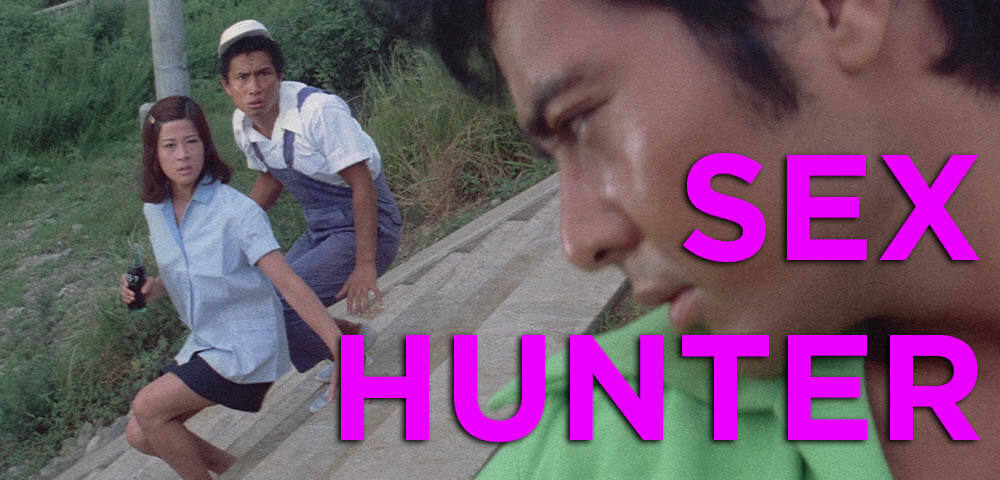
Shot in a small coastal town sitting in the shadows of the Yokosuka US naval base, STRAY CAT ROCK: SEX HUNTER follows the Alleycats as they engage in a turf war with the Eagles, a band of racist macho gangsters. When Mari, one of the Alleycats, rejects the advances of Susumu, an Eagle, because of her love for her half-Black boyfriend Ichiro, the personal slight enrages Baron, the leader of the Eagles. Haunted by memories of mixed race men raping his sister when he was a child, Baron launches a terror campaign to violently purge the town of mixed race men, starting with Ichiro. As the Eagles’ hateful harassment escalates the Alleycats fight back, forging an alliance with the mysterious drifter Kazuma to combat the rising tide of racial violence and help him find his long lost sister.

STRAY CAT ROCK: MACHINE ANIMAL
Yasuharu Hasebe, 1970.
Japan, 82 minutes.
In Japanese with English subtitles.

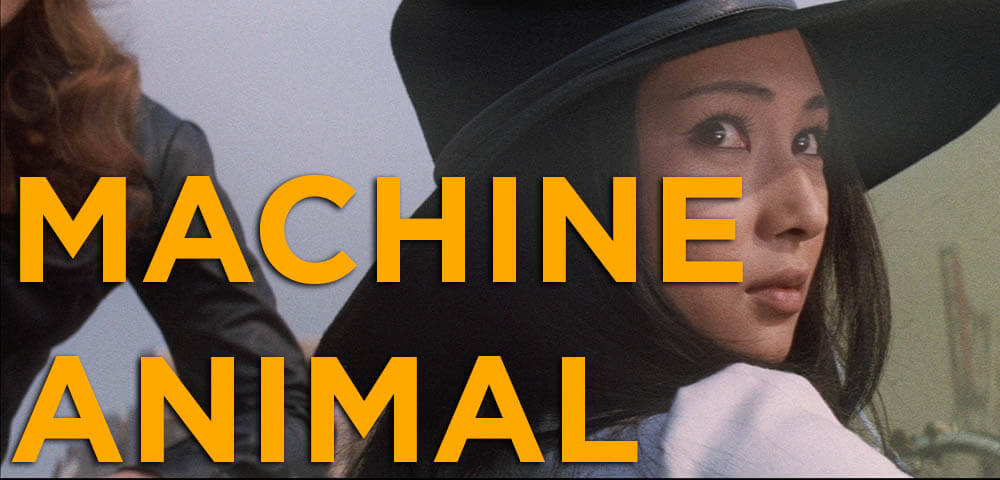
The fourth STRAY CAT ROCK film to be shot & released in 1970, MACHINE ANIMAL begins with an Alleycats gang member stealing a package of LSD pills from a Vietnam war deserter trying to sell the drugs with his buddies so they can buy boat tickets to Sweden and flee Japan. The Alleycats never meant to steal a man’s freedom: after learning the truth — that the drugs are his only ticket to safety — their leader, Maya, is wracked with guilt. She rallies her fierce biker gang to do whatever it takes to make things right and help the boys sell their drugs. Their plans quickly spread throughout the underground, and rival gangs soon descend on them to snatch up the pills for themselves. What begins as an act of solidarity quickly becomes a free-for-all, forcing Maya and her crew to fend them off while racing against time to secure the boy’s escape.


STRAY CAT ROCK: BEAT ‘71

Toshiya Fujita, 1971.
Japan, 87 minutes.
In Japanese with English subtitles.

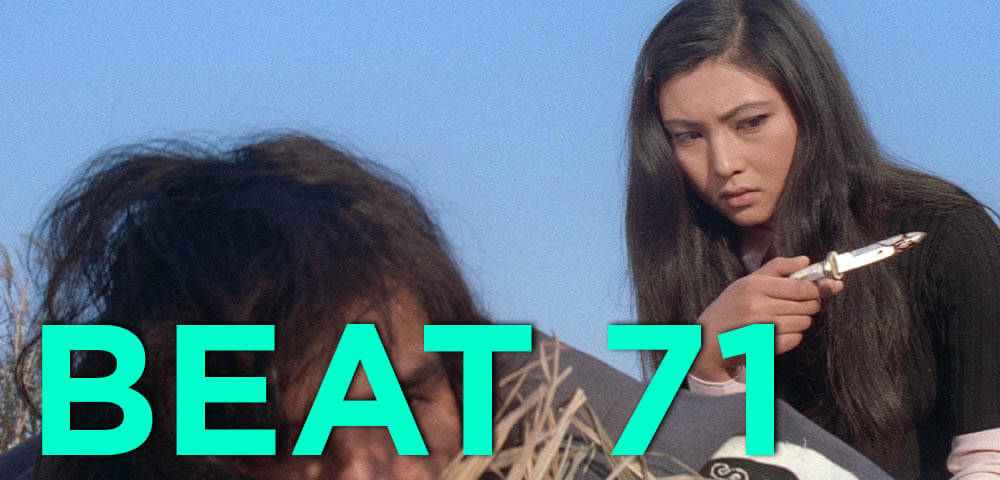
After getting framed for a murder her boyfriend Ryumei committed, Furiko finds herself incarcerated in the Women’s Remand Center. Two months later, she and her chosen sister Ayako escape. While Ayako heads to Shinjuku to rally Furiko’s crew, Furiko returns to her hometown to find Ryumei and confront him. Things get complicated when Furiko and her gang learn Ryumei is poised to inherit his family’s business empire, while his father (who framed Furiko for the murder) is running for mayor: his campaign would be wrecked by a murder scandal, so he kidnaps Furiko and holds her hostage in his mansion. As Furiko’s freewheeling crew schemes to rescue her, they become entangled in a web of political intrigue and corrupt cops. Much lighter fare than the rest of the STRAY CAT ROCK series, BEAT ’71 builds to an explosive climax at an abandoned mine transformed into a fake Western film set just outside of town where hippies, a biker gang, and chimpanzees face off amidst gunfights and dynamite.


SUKEBAN DOYŌBI

SATURDAY, MARCH 28 – 1 PM – 1:30 AM

BUY TICKETS

COME CELEBRATE THE END OF WOMEN’S HISTORY MONTH WITH YOUR BESTIES AND A KNIFE FIGHT!

SPECTACLE THEATER IS DELIGHTED TO PRESENT 12½ HOURS OF TITS, HONOR, AND VENGEANCE

Born the love child of 1960s international feminist movements & student anti-war protests in Japan, the delinquent girl boss and her crew were abandoned in a ditch by their parents and raised by the skyrocketing popularity of yakuza films during the same decade. Dripping cool girl energy in chic outfits (sometimes they even match ˖⁺‧₊˚☆), racing motorcycles, torturing their enemies and dancing until dawn at the club, these aggressive women live by a strict code of honor where breaking the rules is met with violent punishment by the hands of your sisters– or a fight to the death.

IF MEN CAN BE HONORABLE SCUM, THEN WHY CAN’T WE?

All day passes $25, $5 per screening at the door.

1 PM

XXXXXX
1987
, 93 minutes.

STUPID OVERGROWN MAN-CHILDREN
PLAYING
STUPID FASCIST GAMES

3 PM

ANGG
A VERY SPECIAL SUKEBAN EDITION

5:30 PM

XXXXXXXXXXXX
1971, 84 minutes.

OLD GRUDGES, NEW GRUDGES.
WHO WILL MEET THEIR DEATH BY THE SEA?

8 PM 

XXXXXXXX
1973, 83 minutes.

I’LL HELP YOU GET YOUR REVENGE,
BUT DON’T FUCK WITH MY MONEY.

10 PM

XXXXXXXXXXXX
1971, 86 minutes.

MOTORCYCLE MADNESS!

IF YOU WANT TO WIN,
YOU BETTER NOT CUM. 

MIDNIGHT

XXXXXXXXXXXXX
1973, 89 minutes.

IF YOU WEREN’T SO PATHETIC AND HORNY
YOU WOULDN’T BE SO EASY TO BLACKMAIL

WE’RE NOT THE KIND OF GIRLS
YOU’RE USED TO PUSHING AROUND.

warning: some films contain scenes of sexual violence.

A NITE WITH TITE

MONDAY, MARCH 23 – 7 PM

TICKETS

Ireland’s first festival of trans and non-binary cinema is coming stateside! Through an annual film festival in Dublin, Trans Image/Trans Experience (TITE) uplifts a trans cinema that moves beyond representation to showcase a breadth of craft in filmmaking and supports the trans and non-binary filmmakers pushing that innovation forward. This March, a selection of contemporary Irish shorts from last year’s fest will screen at Spectacle for one night only, followed by a virtual Q&A with some of the featured filmmakers, Hiram Harrington (Dir. GLORY, HOLE), Liadán Roche (Dir. TERRATOMA), and Venus Patel (Dir. DAISY: PROPHET OF THE APOCALYPSE) as well as Festival Programmer Olivia Ó’Ríada. Prepare yourself for films from the other side of the glory hole, shouted through a fanatical street preacher’s megaphone, uttered in clumsy dirty talk, and more.

NIGHT GLANCES
Dir. Sam Ahern, 2024
Ireland, 19 min.
In English

Romantic realisations between two best friends turn awkward when classmates and crushes call over to an end-of-school party – but the chaos of misunderstanding leads to a hazy truth.

COLOUR ME PINK
Dir. Anika O’Hagan-Ploug, 2024
Ireland, 3 min.
In English

A stop-motion music video for the indie-pop song ‘Colour Me Pink’ by K E L, depicting a heartwarming story of young queer love.

DIRTY TALK
Dir. Eva Wyse, 2024
Ireland, 16 min.
In English

On the quest for intimacy in the middle of a global pandemic, Tar and Anna meet for the first time in the hopes of having a socially distanced hook up – no touching, just (attempted) dirty talk.

DAISY: PROPHET OF THE APOCALYPSE
Dir. Venus Patel, 2023
Ireland, 20 min.
In English

A radical trans street preacher and her followers prophesy the end of the world with salvation only for those who condemn heterosexuality. Men must be women! Women must be men! All intercourse must be interracial! PRAISE HER!

GLORY, HOLE
Dir. Hiram Harrington, 2024
Ireland, 17 min.
In English

Two gay men, one cis and one trans, clash at a nightclub glory hole when one tries to castrate the man he believes raped him.

Content warning: explicit scenes of full-frontal nudity, bloody violence, offensive language, and discussions of assault.

TERRATOMA
Dir. Liadán Roche, 2024
Ireland, 10 min.
In English

Trying to recreate a traumatic relationship, Alice begins an invasive and deeply personal film project, dragging her loved ones into the film and destroying their relationships for her art.

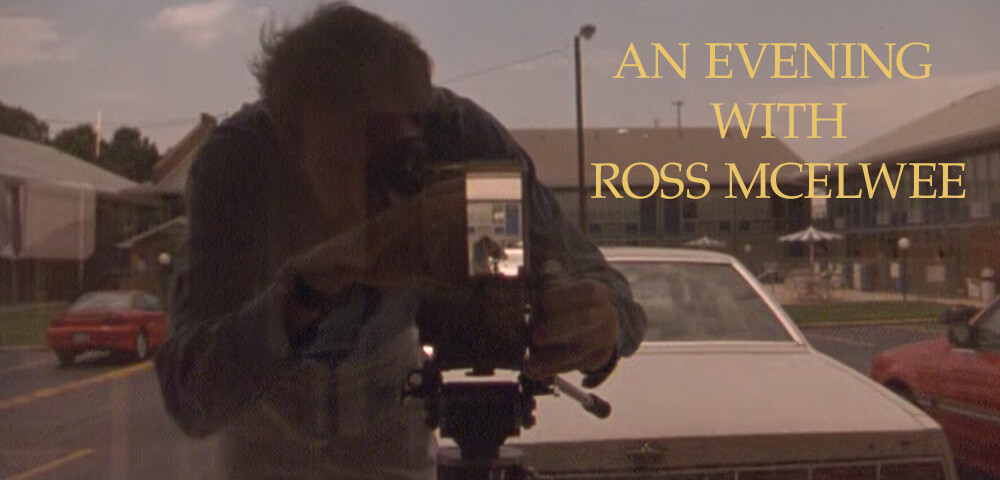
AN EVENING WITH ROSS MCELWEE

A pioneer of the self-reflective first-person documentary form, Ross McElwee is known for his highly personal, digressive, and darkly humorous style. Often focusing on his southern heritage and family life, his work is defined by dry, metaphysical voiceover that helps turn diverse life-events into essayistic musings on American history, cinema, and daily life. A single film can cover topics as disparate as nuclear war, sexual conquest, Burt Reynolds, the ongoing reverberations of the American Civil War on the south, and the reality principle in documentary cinema. While McElwee is in New York to present his newest film, Remake, at Doc Fortnight, we are honored to host him for a night of screenings of two significant earlier works, Time Indefinite and Bright Leaves.

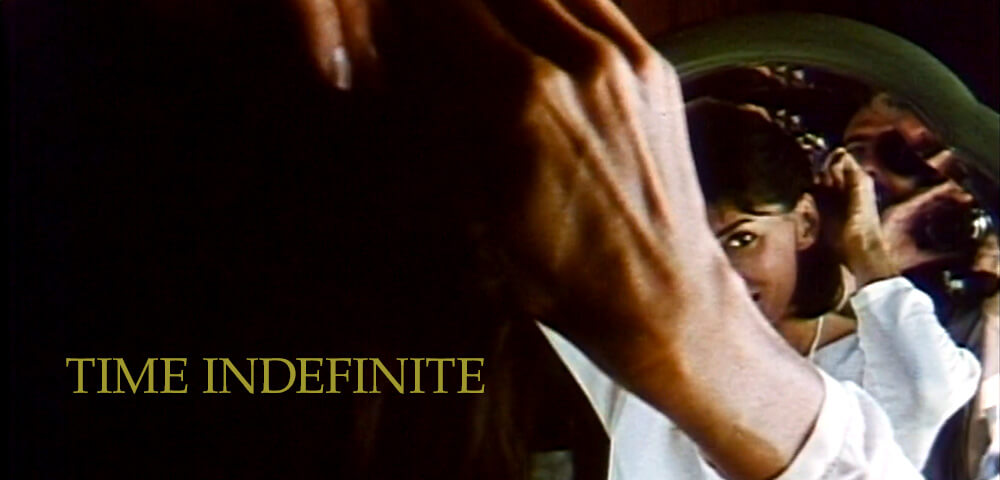
TIME INDEFINITE
Dir. Ross McElwee, 1993
U.S.A., 114 min.
In English

WEDNESDAY, MARCH 11 – 7:00 PM (w/ Q&A)
ONLINE TICKETS ($10)

Turning the camera once more on his souther heritage after his breakthrough film, Sherman’s March, Time Indefinite catches McElwee contemplating family heritage and mortality on the cusp of middle-age. Starting with his marriage proposal to his sound recordist and moving through a series of unexpected family tragedies, the film is one of McElwee’s most melancholic works. Fatherhood – the anxiety of raising a child of one’s own and the imprint of McElwee’s father on his life – looms large in the film, serving as catalyst for an exploration into the inescapable persistence of the past onto the future. How we contemplate and come to terms with time, is in many ways McElwee’s main theme here, and with his understated black humor and sharp attention to all the diverse quirky figures he meets on a daily basis, Time Indefinite is the type of diaristic cine-poem only he can produce.

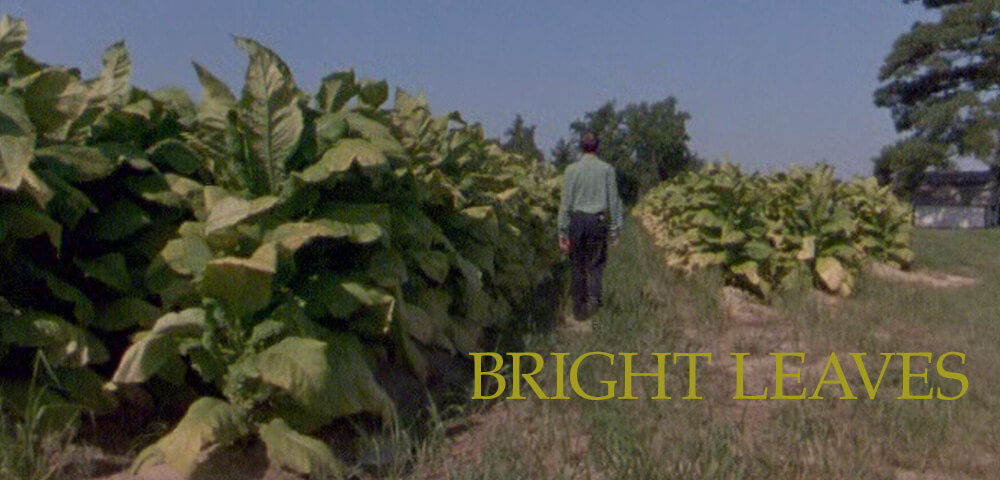
BRIGHT LEAVES
Dir. Ross McElwee, 2003
U.S.A., 108 min.
In English

WEDNESDAY, MARCH 11 – 10:00 PM (w/ Introduction)
ONLINE TICKETS ($10)

One of McElwee’s most intricately woven films, Bright Leaves takes as its point of departure McElwee’s great-grandfather’s role as a 19th century tobacco plantation owner in the south. Upon discovering that there was a 1950 hollywood movie, Bright Leaf, based on his family’s history, McElwee muses over fact and fiction, trying to trace the legacy of his great grandfather’s business on his own family and the south at large. Moving between tobacco plantations, family gatherings, lectures in film theory, and recurring dreams he’s had, Bright Leaves is an amorphous work filled with the philosophical richness unique to McElwee’s eclectic, rambling style.

“McElwee’s films are always, in a way, about why he makes them. He looks at faded home movies of his father, trying to recapture his memories of the man, and then he films his son and wonders how the son will feel, some day, seeing this film. Always at his back he hears time’s winged chariot, hurrying near, and is fascinated by the way film seems to freeze time, or at least preserve it. He doesn’t really much care that his family lost an incalculable fortune to the Dukes; he is content to be who he is, doing what he does, and his motivation for making the film is not to complain, but simply to meditate on how events in the past reverberate in our own lives.”
– Roger Ebert

FOUR FILMS BY LEIDA LAIUS

FOUR FILMS BY LEIDA LAIUS

On the occasion of what would be her one hundred and third birthday, Spectacle is proud to present four recently restored films by Leida Laius, one of Estonia’s most renowned film directors. Laius’ cinema is propelled by stories of young, disaffected women. Laius’ richly textured, resilient women often face troubles in motherhood, poverty, friendship, and love. Seamlessly merging the personal and the political, Laius’ films exhibit her trust in both performer and audience to not flinch in the face of malaise.

Born near Saint Petersburg on March 26th, 1923, Laius volunteered for the Red Army during World War II. After the Soviet reoccupation of Estonia in 1944, Laius trained as an actress at the Estonian Theater Institute. She then graduated with a diploma in directing from the All-Union State Institute of Cinematography in Moscow in 1962. Although her long career has been widely celebrated in Estonia for decades–she was honored with the Lifetime Achievement Award by the Estonian Cultural Foundation in 1995, a year before her passing–Leida Laius’ films have flown under the radar in the United States for too long.

Special thanks to Triinu Keedus and the Estonian Film Institute.
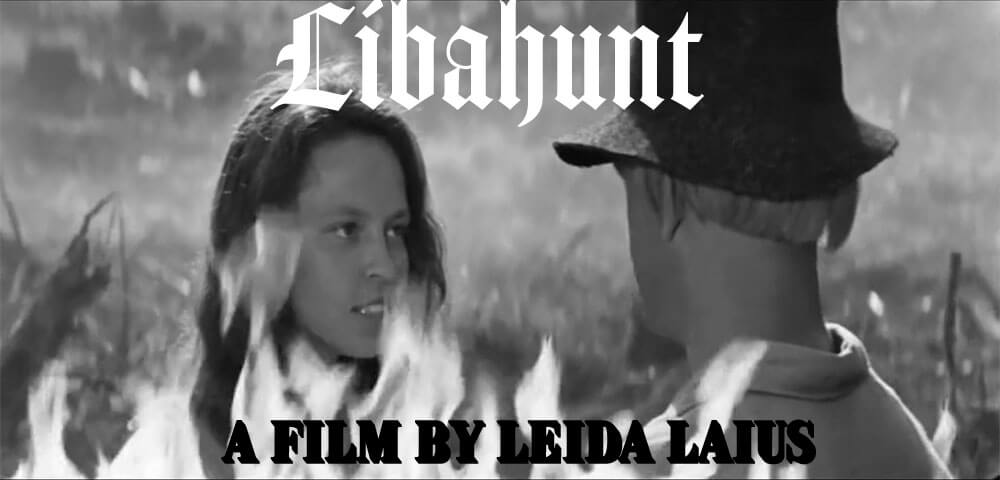
LIBAHUNT

WEREWOLF
(LIBAHUNT)
Dir. Leida Laius, 1968
Estonia. 70 min.
Estonian with English subtitles.

SATURDAY, MARCH 7 – 3 PM
FRIDAY, MARCH 13 – MIDNIGHT
FRIDAY, MARCH 20 – 10 PM
TUESDAY, MARCH 30 – 10 PM

BUY TICKETS 

Based on the 1912 tragic play of the same name by August Kitzberg, LIBAHUNT follows the love triangle between Margus (Evald Hermaküla) and two stepsisters: The soft-spoken Mari (Malle Klassen), and the hot-blooded Tiina (Ene Rämmeld). Tiina’s mother was executed long ago for being a witch, and Tiina wears this stigma proudly. Margus’ parents want him to marry Mari, but he visibly prefers the freewheeling Tiina. Mari believes Tiina has cast a bewitching spell over Margus, so she spreads the vicious rumor that Tiina is a werewolf. This sparks a witch hunt with dire consequences.

Taking place in the southwestern Estonian countryside during the early 1800s, Leida Laius’ rare folk-horror gem is at once poetic, rapturous, dizzying, and frightening.
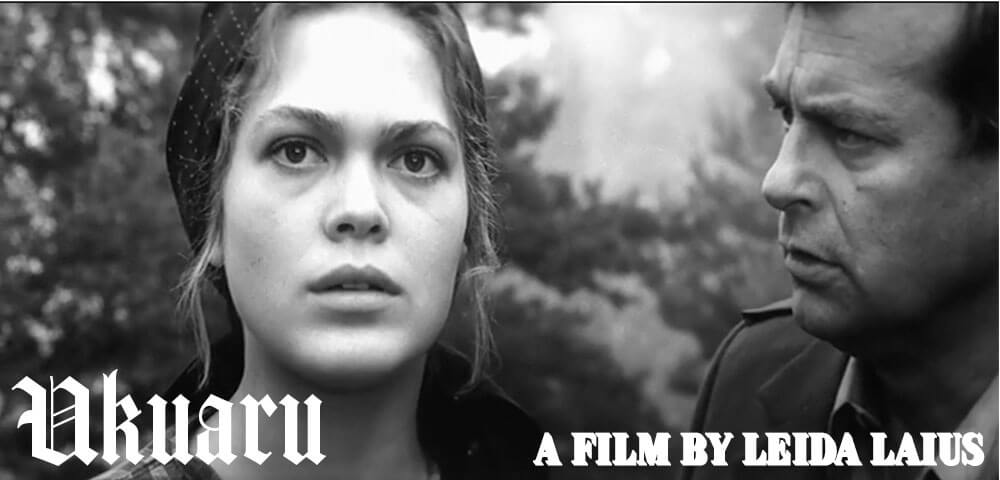
SPRING IN THE FOREST

SPRING IN THE FOREST
(UKUARU)
Dir. Leida Laius, 1973
Estonia. 89 min.
Estonian with English subtitles.

WEDNESDAY, MARCH 4 – 7:30 PM
MONDAY, MARCH 9 – 10 PM
SATURDAY, MARCH 21 – 10 PM
TUESDAY, MARCH 24 – 10 PM

BUY TICKETS

Based on the 1969 novel by the same name by Veera Saar, SPRING IN THE FOREST (UKUARU) follows Minna (Elle Kull), a tough working woman who refuses a marriage proposal by a wealthy man in favor of her boyfriend Aksel (Lembit Ulfsak), who has little to offer her apart from his love and his beloved accordion. Poverty doesn’t bother Minna, but when forces outside her village threaten her family, she is forced into action.

In addition to a strong lead performance by Kull, SPRING IN THE FOREST is notable for its playful score by Arvo Pärt. Aksel first enchants Minna with the “Ukuaru Waltz” on his accordion, a piece that repeats throughout the film as a life-affirming auditory motif. The song became widely popular in Estonia and has been rearranged many times.
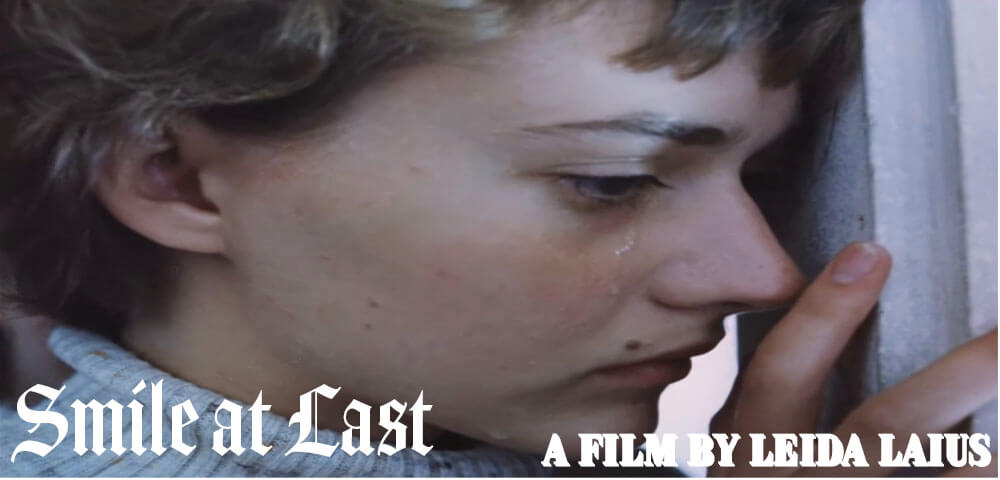
SMILE AT LAST

SMILE AT LAST
Dir. Leida Laius & Arvo Iho, 1985
Estonia/USSR. 86 min.
Estonian with English subtitles.

WEDNESDAY, MARCH 4 – 10 PM
SATURDAY, MARCH 14 – 5 PM
THURSDAY, MARCH 19 – 10 PM
TUESDAY, MARCH 24 – 7:30 PM

BUY TICKETS

Sixteen-year-old Mari (Monika Raide, in her only film role) is a perceptive, sensitive young girl. She has been sent away to an orphanage by her widowed alcoholic father, and she vocally dissents against the cruel games of the other teenagers. However, the remote orphanage grants the kids as much freedom as it sequesters them away from society, and it becomes Mari’s home. It’s not exactly Neverland, but the kids stay up late to watch Charlie Chaplin films and rock out to Bob Dylan. Mari soon crushes on the bad boy Robi (Hendrik Toompere), causing a rift between her and other girls. “This was one of the first perestroika movies,” Raide remarked at a post-screening Q&A in Berlin in 2025, regarding the political context of the film. “It showed that no matter what, young people will always find ways to be together.”

Winner of the UNICEF prize at the Berlinale in 1987, SMILE AT LAST was filmed on-location with a cast of non-professional actors, achieving a unique authenticity. Co-directors Leida Laius and Arvo Iho intentionally shot the film as far from Moscow as possible, while remaining inside the borders of the Soviet Union, to avoid any authorities meddling in their rowdy, energetic vision of an environment with no adults in the room where the kids are allowed to make mistakes.

This restoration was supervised by Laius’ co-director, Arvo Iho.
A STOLEN MEETING

A STOLEN MEETING
Dir. Leida Laius, 1988
Estonia. 102 min.
Estonian & Russian with English subtitles.

SATURDAY, MARCH 7 – 5 PM
TUESDAY, MARCH 10 – 7:30 PM
SUNDAY, MARCH 22 – 5 PM
MONDAY, MARCH 30 – 7:30 PM

BUY TICKETS

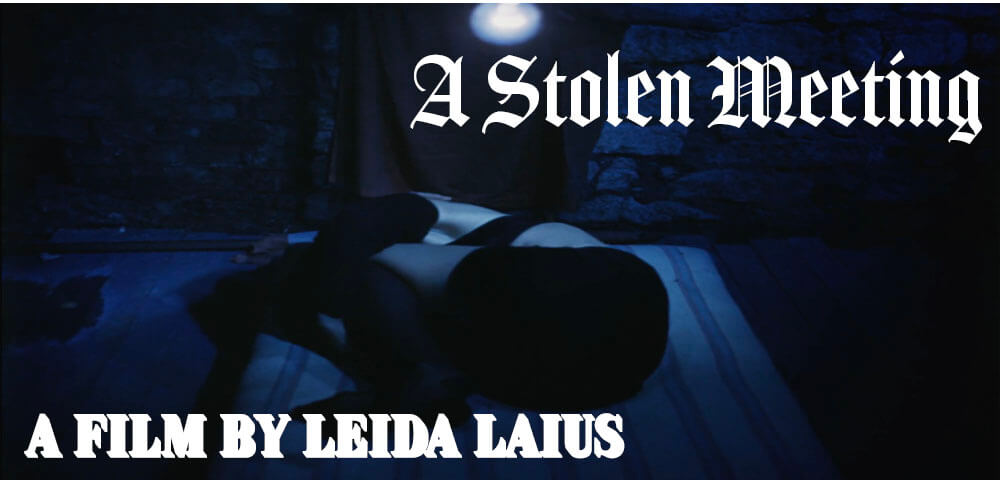
A STOLEN MEETING is best described as a bleak but empathetic indictment of self-dishonesty. Valentina (Maria Klenskaja) is a young mother. After her recent release from a Russian prison camp, Valentina returns to Estonia with a desperate determination to find her young son Jüri (Andreas Kangur), whom she had previously given up for adoption. Valentina loves Jüri, and is convinced that if only they were reunited, all would be right with her world. Valentina herself was raised in an orphanage, and blames all of her misfortunes on her tough upbringing. When Valentina finds Jüri living comfortably with a wealthy family in Tartu, she is faced with a difficult choice.

Leida Laius once described A STOLEN MEETING as a spiritual sequel to SMILE AT LAST. Whereas SMILE AT LAST finds a lively energy in the coming-of-age of an adolescent in less than ideal circumstances, A STOLEN MEETING takes a starker look at the other side of abandonment. A STOLEN MEETING–Leida Laius’ final film–won Best Feature Film at Venice’s Festival of Female Directors in 1990.

PYJAMA GIRLS

PYJAMA

PYJAMA GIRLS
dir. Maya Derrington, 2010
Ireland, 68 min.
In English with Subtitles

ONE NIGHT ONLY MARCH 17TH 7:30PM — IN PERSON Q&A WITH EDITOR PAUL ROWLEY

TICKETS HERE

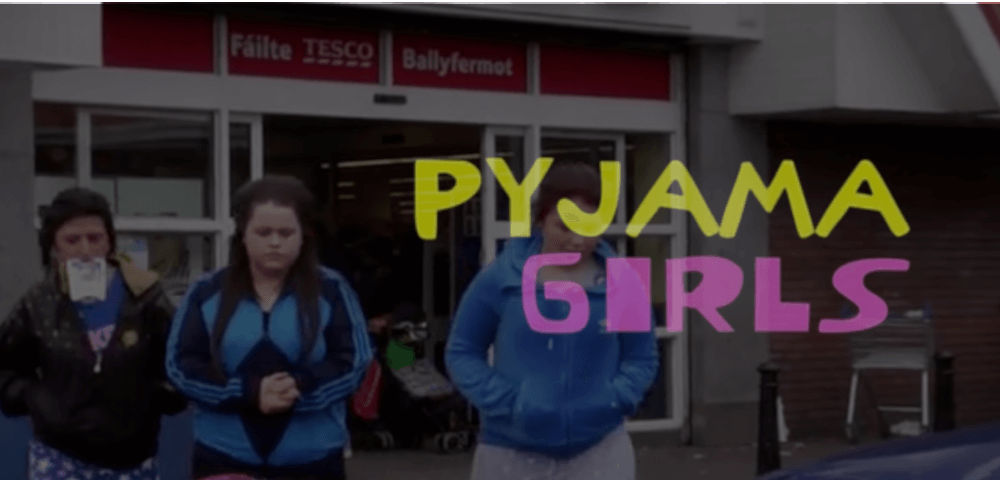
As St. Patrick’s Day looms once again, we at Spectacle are shining a spotlight on dirtbag lass culture with Maya Derrington’s feature documentary, PYJAMA GIRLS. Shot in the dingy threads of Dublin’s inner city flats, PYJAMA GIRLS centers around the shenanigans of two teenagers, Lauren and Tara, wandering through their precarious upbringings and finding confidence from buying “just massive, comfy gorgeous” PJs. Rejecting societal norms, Lauren and Tara proudly strut outside in pajamas, their trademark attire, as they encounter the various pains of adolescence. Presented in a verité style by Derrington and team, this comfy but honest, real-world tale stitches together a story of friendship, family environments, and urban community under impoverished conditions.

Last screened in NYC 15 years ago at the Brooklyn Film Festival, Spectacle is thrilled to bring this Irish slice-of-life gem of unique teenage rebellion back to the big screen.

We’ll be speaking directly with editor Paul Rowley after the feature.

Special Thanks to Still Films