XFR COLLECTIVE ZINE RELEASE PARTY

XFR COLLECTIVE ZINE RELEASE PARTY
SATURDAY NOVEMBER 6 – 12PM TO 7PM
ONE NIGHT ONLY!

XFR Collective is throwing a party to celebrate the release of our new zine Total Recall: A Robot’s Guide to Preserving Your Digital Born Media! From 12-5pm we’ll be transferring your home VHS and MiniDV tapes, talking about the magnetic media crisis, and selling XFR Collective swag. Tape transfer is available on a first-come, first-serve basis!

At 5 PM we’ll be screening an audio visual charcuterie board of bizarre clips from All Color News and Potato Wolf, peeled off, mashed up and served to you hot and fresh. (This event is $5.)

In the late 70s and early 80s cable access television was gaining a wider audience in New York City and the artists of Collaborative Projects (Colab) were all over it! All Color News (1977-1978) was the first Manhattan Cable TV show from Colab. Artists would bring segments to the studio which were mixed live, sometimes with live voiceover and comments from call in viewers. Potato Wolf, sort of like a sketch comedy show for C.H.U.D.s, was produced from 1979 to 1986. With loose scripts, biting sarcasm, and D.I.Y. sets made mostly of painted cardboard and other random junk, Potato Wolf will show you why you’ve never had one day of fun in your whole life.

POR EL DINERO: THE FILMS OF ALEJO MOGUILLANSKY

“Your music is not provocative, it is like a game for kids.”Margarita Fernandez to Helmut Lachenmann, THE LITTLE MATCH GIRL

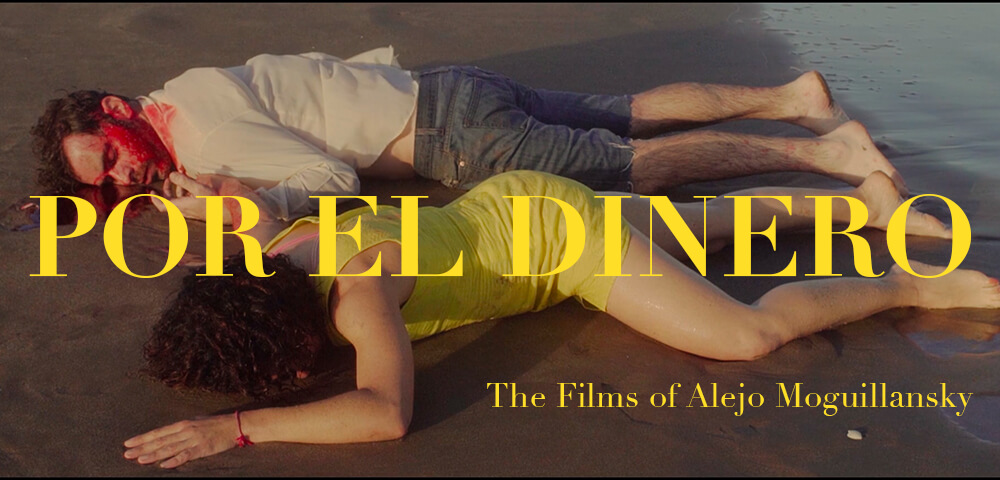
Wedding narratives stolen from classical fantasy stories (Treasure Island, Swan Lake, Hans Christian Andersen) to documentary-based portraits of artists struggling both creatively and financially, the films of Alejo Moguillansky can be equal parts Marxist and childish. Thriving on a playful dialectical struggle between truth and fiction, reality and fantasy, comedy and tragedy, content and form, aural and visual space – Moguillansky’s films are in a state of constant exploration. From THE PARROT AND THE SWAN – wherein the main character is also the film’s boom operator and the idea of cinematic subjectivity is taken comically new heights – to FOR THE MONEY, where Moguillansky’s real-life entry into a Colombian theater competition is imagined as the harbinger of insatiable greed and, ultimately, his own death – the very process of filmmaking is often the jumping off point for the film itself, leaving the movie to discover and construct its own aesthetic terrain as it unfolds.

In addition to his work as a director Alejo Moguillansky is also one of the founding members of the Argentinian film collective El Pampero Cine with filmmakers Mariano Llinas, Laura Citrella, and Andres Mendilaharzu. Founded on a commitment to independence and collaboration the films of El Pampero are usually produced without institutional financing from grants or government funding using the collective’s own equipment and the founding members of the collective serve in important creative roles on each other’s projects. As part of this series we are proud to show a number of other films which Alejo Moguillansky worked on as an editor – Mariano Llinas micro-budget four-hour long Borgesian epic EXTRAORDINARY STORIES, Laura Citrella’s bitterly funny resort-set noir OSTENDE, and the first two films of Matias Pinero’s Shakespeare series, ROSALINDA and VIOLA. As evidenced by the prominent acting roles often given to his crew members, the films of Moguillansky thrive on collaborative creativity and these films feel as much a part of his body of work as his own.

Due to the number of films we will be screening this series will be split up into two parts. CASTRO, THE PARROT AND THE SWAN, THE GOLD BUG, EXTRAORDINARY STORIES and OSTENDE will play throughout November. Check back in December to catch THE LITTLE MATCH GIRL, FOR THE MONEY, ROSALINDA, and VIOLA.

Co-presented with Cinema Tropical.
CASTRO
dir. Alejo Moguillansky, 2009
85 mins. Argentina.
In Spanish with English subtitles.

SATURDAY, NOVEMBER 6 – 10 PM
SATURDAY, NOVEMBER 13 – 10 PM
THURSDAY, NOVEMBER 25 – 7:30 PM CLOSED

GET YOUR TICKETS!

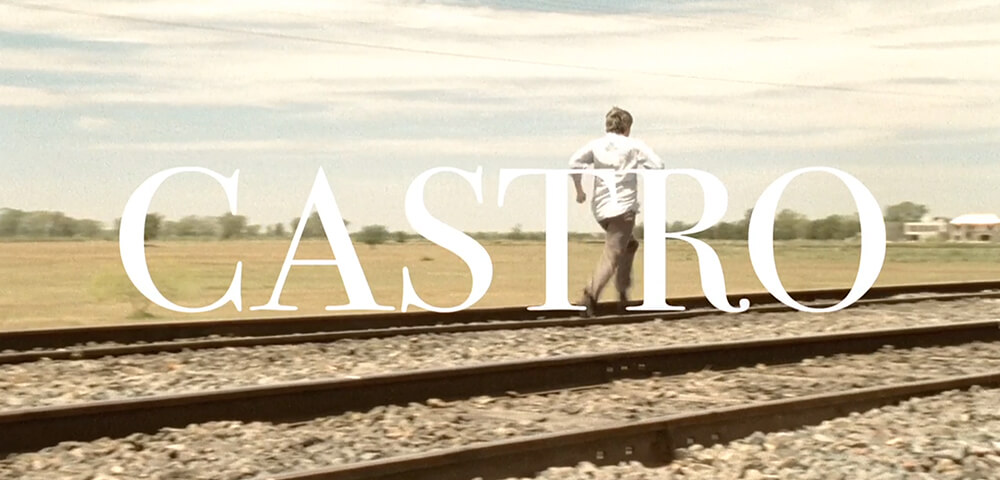
Part Langian conspiracy, part Chaplinesque comedy of work, and part city symphony – Alejo Moguillansky’s CASTRO is filled with a Nouvelle Vague-esque sense of endless playfulness and ingenuity. A mysterious man named Castro (Edgardo Castro) is wandering around Buenos Aires trying hard not to find a job (“Right now I have you, my body, and my head. If I get a job one, two, or three of those things might disappear,” he tells his girlfriend), while a gang of four comical crooks led by Castro’s ex-wife clumsily tail him. Filled with plenty of absurd comic asides (an inane secret code communicated through umbrellas, a mysterious and omnipresent upstairs neighbor who is always heard moving around the apartment, ominous job interviews that venture into the strangely personal); dusty, sun-drenched cinematography; and a silent movie worthy piano score, CASTRO is a startling and surprising debut that oozes charm.
THE PARROT AND THE SWAN
(EL LORO Y EL CISNE)
dir. Alejo Moguillansky, 2013
100 mins. Argentina.
In Spanish with English subtitles.

SUNDAY, NOVEMBER 7 – 5 PM followed by remote Q+A with filmmaker Alejo Moguillansky
(This event is $10.)
SATURDAY, NOVEMBER 13 – 7:30 PM
FRIDAY, NOVEMBER 26 – 7:30 PM

GET YOUR TICKETS!

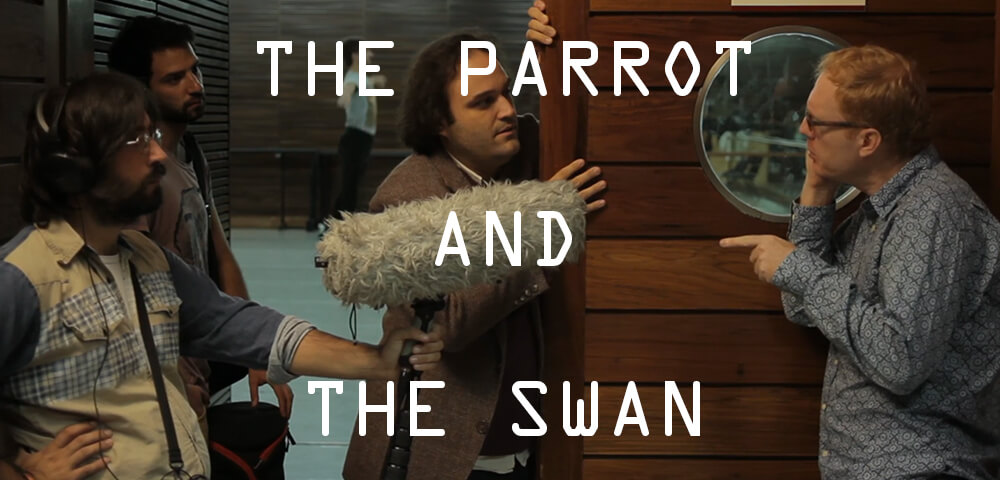
Starting off as a docu-fiction about a film crew making a movie about Argentinian ballet before veering off into a bemusing riff on Swan Lake and eventually settling into a deadpan romantic comedy, THE PARROT AND THE SWAN is continually surprising and filled with a keen sense of fun. Dealing with a rough, hate-mail filled break-up meek sound-mixer, Parrot, finds himself falling in love with a pregnant experimental dancer, Luciana (Luciana Acuna, Moguillansky’s wife) while in the middle of filming a documentary. Boom still in hand, Parrot quits his job and pursues her from crowded, bohemian Buenos Aires flats to odd corners of provincial Argentina.
While an endearing character study at heart, the film seems happiest when headed off into endless digressions like lengthy ballet rehearsals, Freudian dream analysis, and amusing sound jokes centered around Parrot’s refusal to ever put down his boom.
THE GOLD BUG
(EL ESCARABAJO DE ORO)
dir. Alejo Moguillansky, 2014
Argentina, 100 minutes
In Spanish with English subtitles.

SUNDAY, NOVEMBER 7 – 7:30 PM followed by remote Q+A with filmmaker Alejo Moguillansky
(This event is $10.)
THURSDAY, NOVEMBER 11 – 10 PM
SUNDAY, NOVEMBER 14 – 7:30 PM

GET YOUR TICKETS!

They all struggle: European Filmmakers vs. South American Filmmakers; Independent Cinema vs. Cinema Funds; Wild vs. Civilisation; North vs. South; Pirates vs. Pirates; An old XIX Century Politician vs. an old XIX Century feminist Poet; Producers vs. Directors; Edgar Allen Poe vs. Robert Louis Stevenson; Long John Silver vs. Captain Smollet; Adventure vs. Money; Beauty vs. Greed; The search of truth and wisdom vs. hypocrisy and wickedness; The rich vs. the poor; Men vs. Women; Fiction vs. Facts. They all struggle, but only one wins.

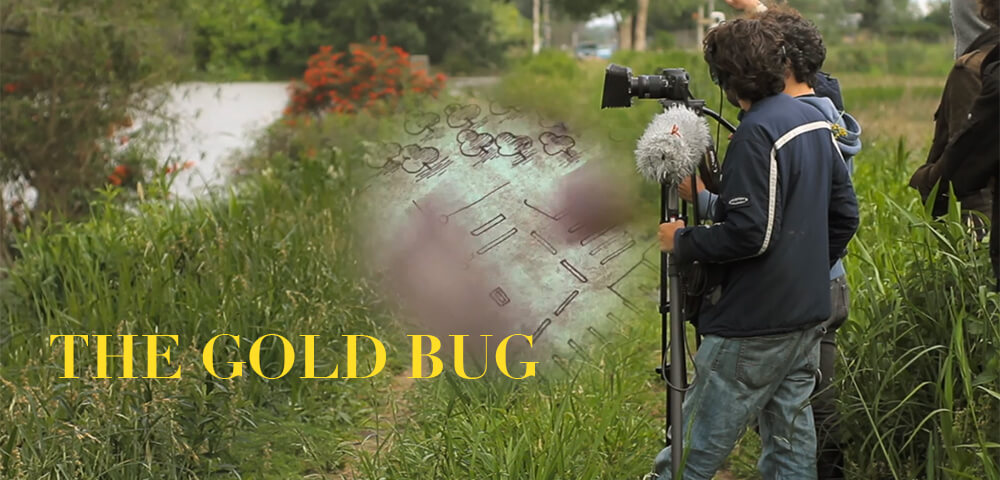
Commissioned by a Danish film festival as a movie about 19th century feminist poet, Victoria Benidectssen, THE GOLD BUG instead became a literal and figurative adaptation of Robert Louis Stevenson’s classic adventure novel Treasure Island. Moguillansky, producer Mariano Llinas, and actors Walter Jakob and Rafael Spregelburd play themselves in the film as a group of Argentine actors who’ve chanced upon a 17th century treasure map leading to the northern Argentine province of Misiones. using the commission to make a film about Benedictsson as cover, the ensemble sets out to find the buried treasure while convincing the European producers and co-director that their real aim is to also make a biography about 19th-century Argentine political radical Leandro N. Alem, so as to avoid being neo-colonialist. Directly riffing off of the real world circumstances in which the movie itself came into being, THE GOLD BUG is a metatextual questioning of the possibility of filmmaking in a capitalist, Euro-centric film ecosystem.
OSTENDE
dir. Laura Citrella, 2011
85 mins. Argentina.
In Spanish with English subtitles.

SUNDAY, NOVEMBER 7 – 3PM
SATURDAY, NOVEMBER 20 – 5 PM followed by remote Q+A with filmmaker Laura Citrella
(This event is $10.)
SATURDAY, NOVEMBER 27 – 5PM

GET YOUR TICKETS!

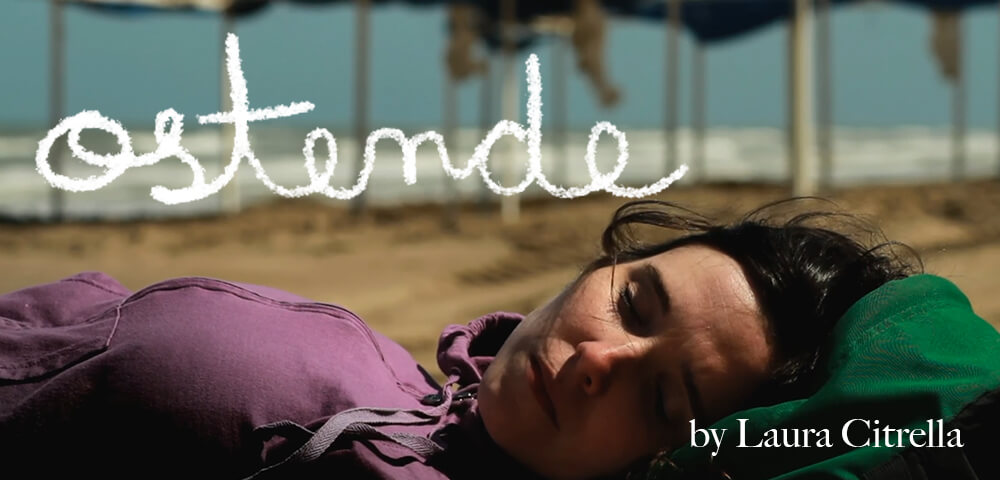
Thanks to a radio contest, a girl wins four vacation days in a huge hotel in Ostende, in the Buenos Aires province. It’s the low season, and she gets to the place alone. Her boyfriend will join her a few days later. On the beach there’s plenty of sun but also too much wind; and a not very sophisticated bar with a waiter that talks too much. In this place with no obligations or big attractions apart from a windy beach nearby and the not-so-tempting ocean, the girl starts to pay attention – maybe too much, maybe not enough – to the strange behavior of an old man who’s accompanied by two young women. Flirting with both Hitchcock and Rohmer from a light, feminine perspective, Laura Citrella demonstrates the entrancing possibilities of storytelling in her first film.
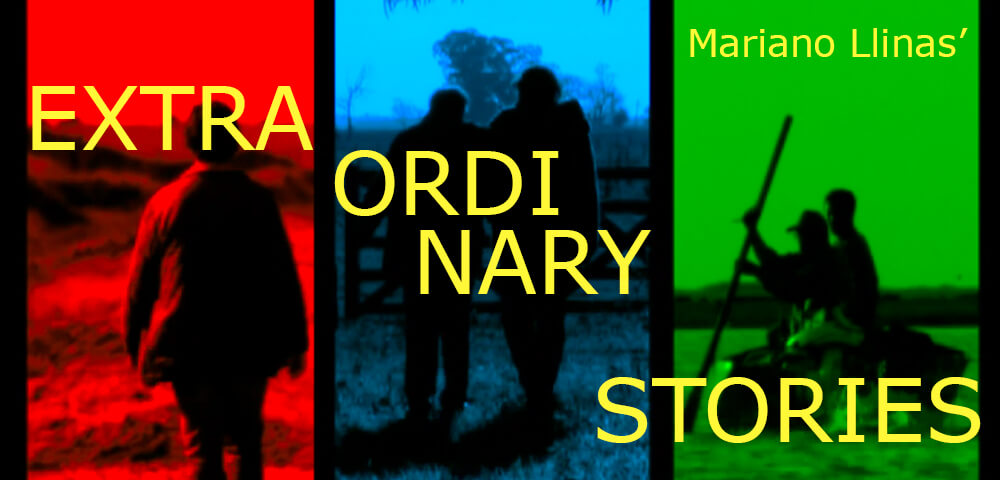
EXTRAORDINARY STORIES
(HISTORIA EXTRAORDINARIAS)
dir. Mariano Llinas, 2008
242 mins. Argentina.
In Spanish with English subtitles.

SUNDAY, NOVEMBER 28 – 5PM

GET YOUR TICKETS!

As though it was a sort of encyclopedia of adventure fiction, this film takes as a start three classically used triggers. One: A man who gets accidentally involved in a case of assassination. Two: another man (a smalltown bureaucrat) who gets obsessed with another man, whose life becomes a crescently problematic riddle. Three: A Jules Vern style challenge takes place in a sort of gentlemen’s club in the deep Argentine countryside; that challenge (a remotely scientific orientated challenge) involves a third man in an unexpected odyssey down a river that run through the lonely plains. Those triggers that, following the path of Borges, combine the universe of Stevenson and the universe of the pampas craft a complex and surreal plot, a plot that somehow includes, in the same Argentine universe, explosions that take place for no one in the middle of the plains, forsaken lions that die in forsaken buildings, remote World War II stories, stories of love and glory, stories of brilliant men and of forgotten men, and those of men both brilliant and forgotten. Hundreds of stories, altogether in a plot that, more than a film, becomes a sort of essay about fiction: How fiction works, where fiction comes from, and what the real purpose of fiction is.

YOU CAN’T KILL MEME

YOU CAN’T KILL MEME
dir. Hayley Garrigus, 2021
78 mins. United States.
In English.

FRIDAY, NOVEMBER 5 – 7PM with filmmaker in person for Q+A moderated by Joshua Citarella
(This event is $10.)
SATURDAY, NOVEMBER 13 – 5 PM
FRIDAY, NOVEMBER 19 – MIDNIGHT
SATURDAY, NOVEMBER 27 – 7:30 PM

GET YOUR TICKETS!

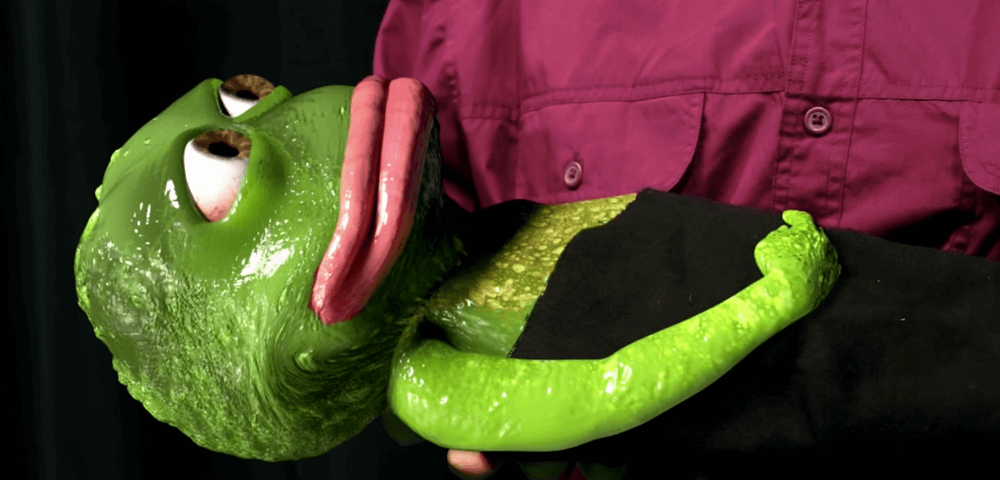
YOU CAN’T KILL MEME follows a filmmaker’s three year descent into the anonymous internet underworld, tracking the spread of an insidious strain of extremist occult magic.

While investigating the influence of online misinformation on the 2016 election, the filmmaker infiltrates the shadowy corners of Internet forums 4chan and Reddit. There, she learns of the book Memetic Magic, a field manual for conjuring “thought viruses” capable of sowing global chaos and a seminal text for the internet trolls who claim to have harnessed this chaos magic to meme Trump into presidency.

After establishing a correspondence with Memetic Magic’s elusive author, Kirk Packwood, the filmmaker relocates to Las Vegas to further her research on his advice just one week before the mass shooting in October 2017.

Describes by many as a powerful vortex, the city is home to the country’s second-largest population of “light workers” – magicians seeking to spiritually transform the world from within, spanning every sector of community and industry, from New Age entrepreneurs to military cybersecurity personnel. As the filmmaker heads to Seattle for a showdown with the hermetic Kirk, she uncovers what is either a cover cyberwar between chaos magicians and the power elite or an incredibly idiotic conspiracy spanning modern-day shamans, Pepe the Frog, the ebola pandemic, and the blowback of cancel culture.

Special thanks to Utopia Films. 

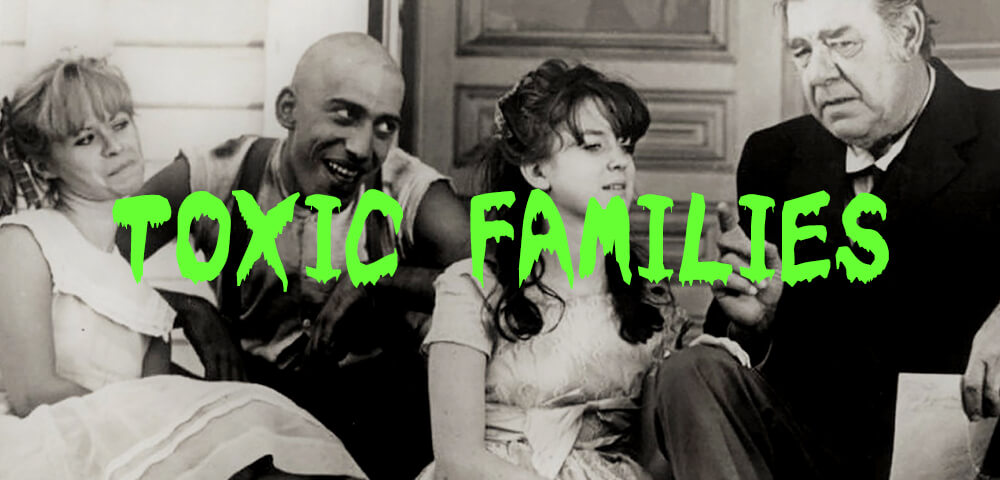
TOXIC FAMILIES

This Thanksgiving season, Spectacle is proud to present three twisted and distinct visions of awful families. Werewolves, Southern Gothic intrigue, incest, beheadings – this series has it all! Special thanks to American Genre Film Archive. 

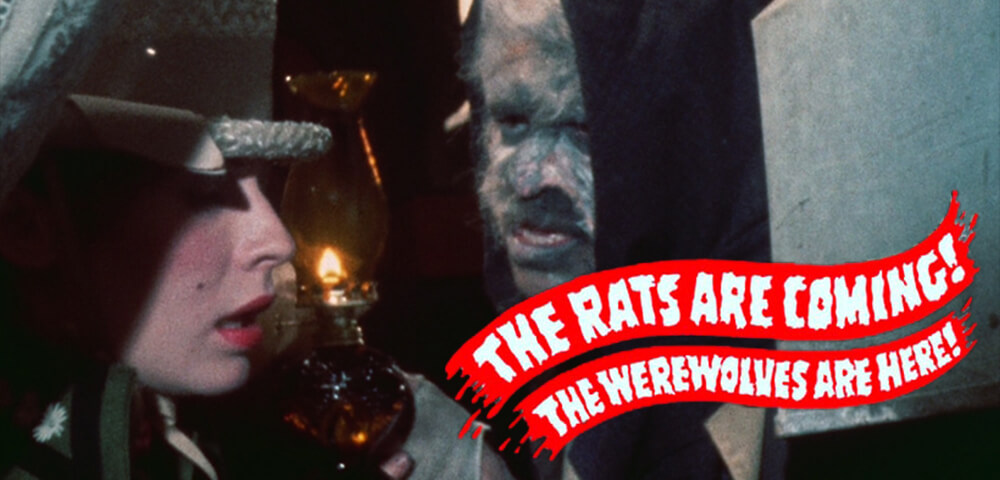
THE RATS ARE COMING! THE WEREWOLVES ARE HERE!
dir. Andy Milligan, 1972
91 mins. United States.
In English.

FRIDAY, NOVEMBER 12 – MIDNIGHT
THURSDAY, NOVEMBER 18 – 10 PM
SATURDAY, NOVEMBER 27 – MIDNIGHT

GET YOUR TICKETS!

“Crude and sleazy and distinctively Milligan.” Paul Corupe, Canuxploitation

Conceived as a cash-in on WILLARD and Hammer horror films, THE RATS ARE COMING! THE WEREWOLVES ARE HERE! is a dreamy, alt-Earth version of Dark Shadows from legendary queer filmmaker Andy Milligan. The Mooney family are struggling with secrets. When daughter Diana returns to the family’s gothic estate with a new husband, all seems well . . . until the full moon rises. Filled with Milligan’s patented blend of DIY costumes, atmospheric locations, and schizophrenic photography, RATS is a great example of ingenuity, necessity, and a genuine seething hatred of mankind joining forces to birth a unique exploitation gem.

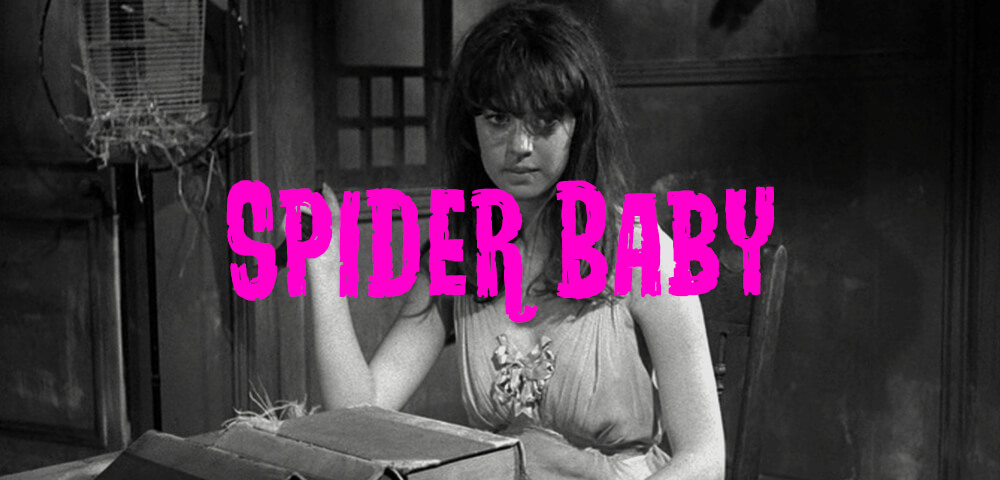
SPIDER BABY
dir. Jack Hill, 1967
81 mins. United States.
In English.

SATURDAY, NOVEMBER 6 – MIDNIGHT
THURSDAY, NOVEMBER 18 – 7:30 PM
SATURDAY, NOVEMBER 27 – 10 PM

GET YOUR TICKETS!

“Though superficially similar to some of Charles Addams’ drawings, SPIDER BABY truly resembles nothing else in film.”Nathaniel Thompson, Mondo Digital

The first solo feature from exploitation legend Jack Hill (FOXY BROWN), SPIDER BABY remains one of the wildest and weirdest horror films of the 1960s. The credits dub this “the maddest story ever told,” a promise that’s well on the way to being fulfilled in the opening scene alone, when Virginia traps and kills a hapless deliveryman in her makeshift web. She’s one of three siblings, including exploitation wild man Sid Haig, who suffer from a unique genetic disorder that causes them to regress back to childhood while retaining the physical strength and sexual maturity of adults. Lon Chaney, Jr. (THE WOLF MAN) gives one of his most memorable late performances as Bruno, who manages to cover up the crimes of the “kids” until two distant relatives lay claim to their house. Blending elements of gothic horror and gallows humor, SPIDER BABY drops somewhere between THE ADDAMS FAMILY and THE TEXAS CHAINSAW MASSACRE.

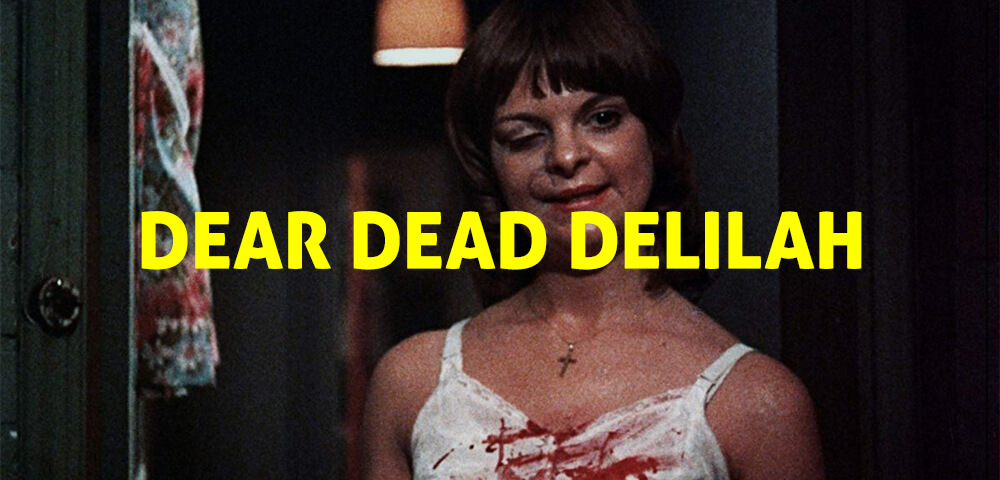
DEAR DEAD DELILAH
dir. John Farris, 1972
95 mins. United States.
In English.

FRIDAY, NOVEMBER 5 – MIDNIGHT
SATURDAY, NOVEMBER 13 – MIDNIGHT
FRIDAY, NOVEMBER 26 – MIDNIGHT

GET YOUR TICKETS!

Back in 1943, Luddy (Patricia Carmichael, in a wonderfully, memorably nutty performance) viciously murdered her mother with an axe. Thirty years later and freshly released from the state mental hospital, deemed “cured” of her violent impulses, Luddy’s luck is turning around thanks to a chance encounter with the family of Delilah (Agnes Moorehead, Bewitched), the miserly matriarch of a large plantation estate.

She quickly finds herself hired as Delilah’s housekeeper, but no sooner than her arrival at the cavernous and secluded mansion, grisly murders begin to take place…

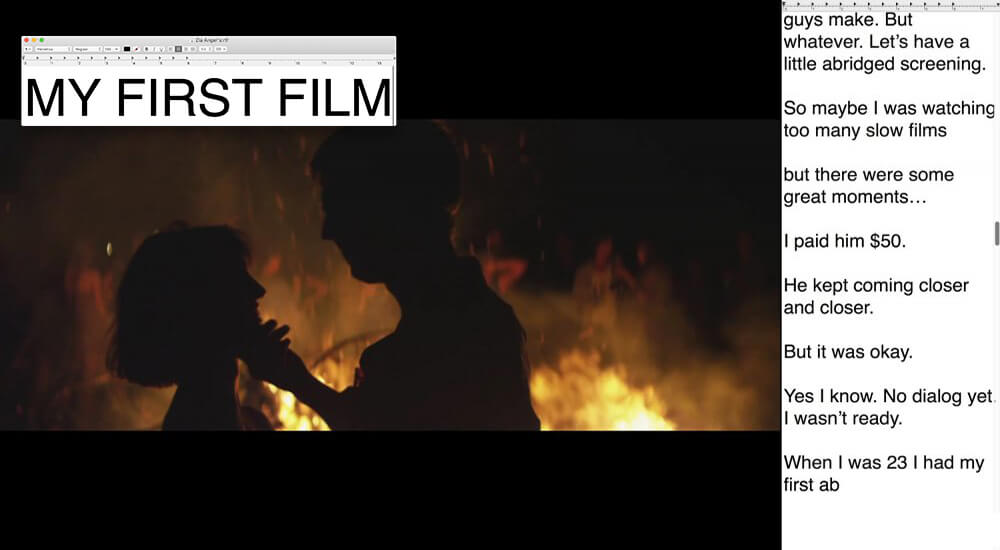
ZIA ANGER’S MY FIRST FILM


MY FIRST FILM
dir. Zia Anger, 2018-2021
70 mins. United States.
In English.

TUESDAY, NOVEMBER 16 – 7:30 PM in-theater only w/Zia Anger in person
WEDNESDAY, NOVEMBER 17 – 7:30 PM in-theater only w/Zia Anger in person
(These events are $10.)

GET YOUR TICKETS!

The expanded cinema performance MY FIRST FILM began its gestation at Spectacle in June 2018 as (abandoned). It’s since played numerous film festivals, embarked on a world tour, and been called one of “62 of the Best Documentaries of All Time” by Richard Brody in The New Yorker. Following on our 2020 Spectacle in Exile zoom event (abandoned) 2, we once again welcome back filmmaker Zia Anger for a two-night run of My First Film.

“From memoirs to director’s commentary, the tradition of self-reflection in the film industry is nothing new. Self-reflection serves as a means for a director to further explain the significance of their work. In many cases, it functions as a distancing tactic—creating a dissonance between the filmmaker at present and their naïve former self. However, these reflections on the finished work are often as polished as the film itself, rendering the director’s ideas practiced and stale.

MY FIRST FILM repeatedly examines my first, and only, feature-length narrative film through an interactive live cinema performance. Each rendition contains new revelations and nuanced narrative shifts that build on both the original work and its accumulating commentary. The audience is encouraged to reconsider the formal limits of where a film begins and ends, to see that a film is only as fixed as the world around it.” —Zia Anger

ZIA ANGER works in moving images. Her most recent short, MY LAST FILM, premiered at the 53rd New York Film Festival. In 2015 her short I REMEMBER NOTHING premiered domestically at New Directors/New Films and internationally at Festival del film Locarno. She directed music videos for various independent artists including Angel Olsen, Mitski, Julianna Barwick, Beach House, Maggie Rogers, and Jenny Hval, the latter of whom she also toured with as a performer and stage director. Various online publications including Pitchfork, the Guardian, and NPR have featured her music videos.

MY FIRST FILM is produced by MEMORY.

MYSTICAL MOVIE

MYSTICAL MOVIE
dir. Irina Jasnowski Pascual, 2021
80 mins. United States/France.
No dialogue / English captions.

FRIDAY, NOVEMBER 12 – 7 PM
ONE NIGHT ONLY! FILMMAKERS IN PERSON for Q&A moderated by film critic/programmer Steve MacfarIane
(This event is $10.)

ONLINE TICKETS

Existing somewhere between documentation of an event and stretching into a narrative skin, MYSTICAL MOVIE is set simultaneously on Mannahatta island of the 1500s, present-day Manhattan, Lake Geneva in the early 18th century and an undisclosed location in non-time. It tracks a peasant’s plight as they navigate frequencies of pain and ecstasy, bound between sonic dimensions. Despite there being no dialogue, the transmission of sound is the protagonist.

IRINA JANOWSKI PASCUAL received a Bachelor of Fine Arts from The Cooper Union School of Art in 2017. Her sculptural studio practice extends into video and performance. MYSTICAL MOVIE is her first feature length film, it premiered at Kunsthal Extra City (Antwerp, Belgium) September 2021.

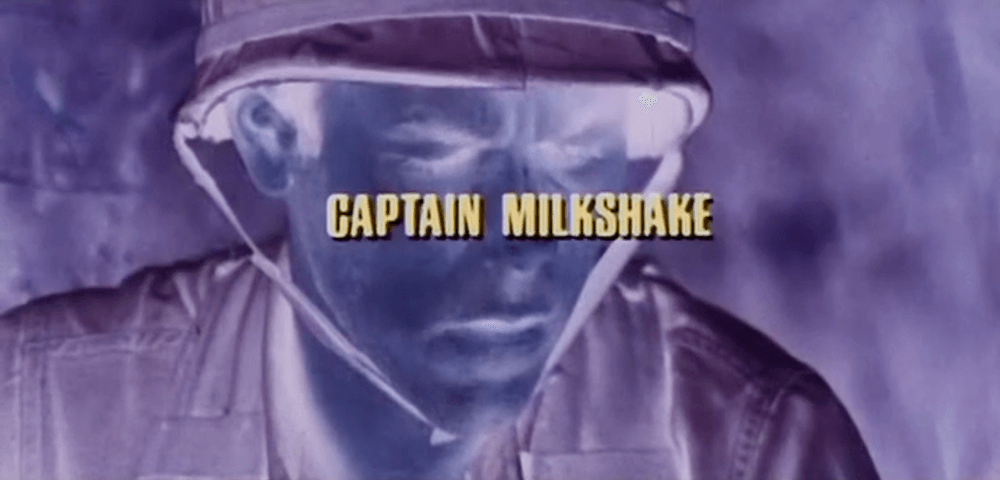
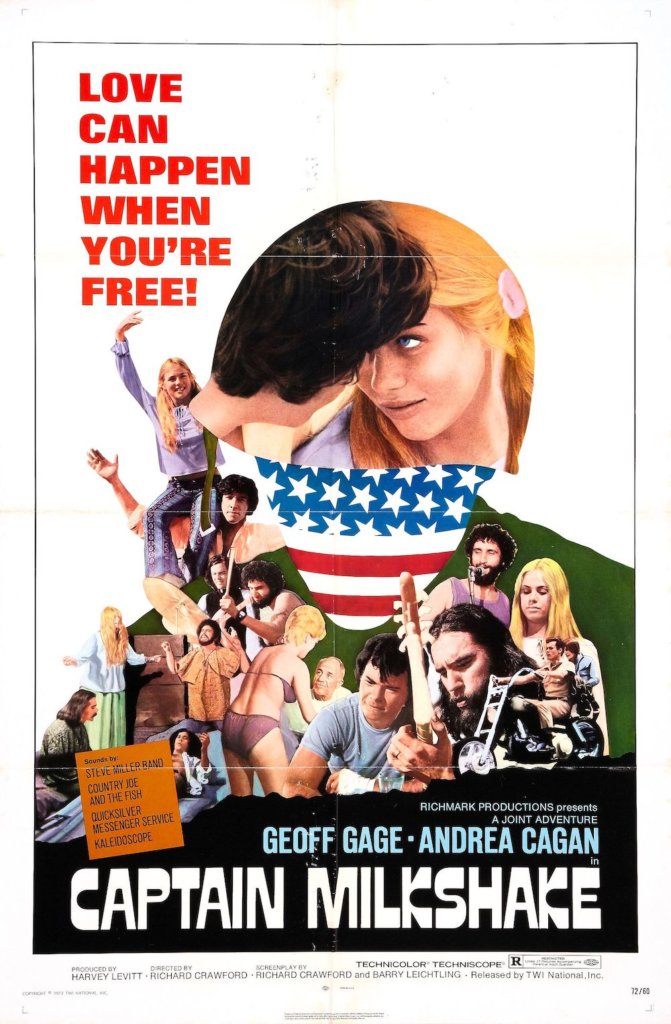
CAPTAIN MILKSHAKE

CAPTAIN MILKSHAKE
dir. Richard Crawford, 1970
98 mins. United States.
In English.

FRIDAY, NOVEMBER 19 – 7PM in-theater
ONE NIGHT ONLY!
Q&A WITH FILMMAKER RICHARD CRAWFORD LIVE VIA ZOOM! (This event is $10.)

GET YOUR TICKETS!

Made fifty-one years ago in the wake of a fresh new mode of studio filmmaking, CAPTAIN MILKSHAKE is a lost piece of cinema history: one of the first dramatic independent feature films to deal directly with the controversial political and cultural issues surrounding the Vietnam War era. “An authentic Sixties flashback,” it is a now-classic story of women’s liberation, free love and rock ‘n roll, all set during an anti-war protest in Berkeley.

A young Marine, Paul (played by Geoff Gage), has two weeks emergency leave from Vietnam action to return home. He meets a beautiful young woman, Melissa (played by Andrea Cagan), who turns him on to the counter-culture lifestyle. The war debate that ensues casts light on the country’s divided opinion about the war and threatens Paul and Melissa’s love affair. CAPTAIN MILKSHAKE is a pure and earnest discovery, not lastly thanks to the sounds rooted in weed, activism and then-fresh performances from Quicksilver Messenger Service, Country Joe & The Fish, The Steve Miller Band and Kaleidoscope.

Carlsbad, CA resident Richard Crawford, who would go on to become an Emmy award-winning producer/director, filmed CAPTAIN MILKSHAKE in San Diego and Berkeley in 1970 during the War that ended five years later. After a brief release in 150 cities in 1972, this original psychedelic entry was taken out of circulation for dubious reasons, shelved, and even banned by the U.S. military. A legal dispute locked the film out of circulation for 35 years. Only in 2006 was Crawford able to get the rights back to his film, when it had its European premiere at the Viennale, Rotterdam, and Leeds International film festivals.

“Absolutely stunning and something very special…a very moving, political, cinema-graphic film …absolutely fresh- it’s as if no time has gone by… It ‘s eye-opening, joyful, delightful, liberating, amazing, surprising… so full of images you wouldn’t expect…”Hans Hurch, Director of the 2006 Viennale International Film Festival

ZOO ZERO

ZOO ZÉRO
dir. Alain Fleischer, 1978
France. 96 min.
In French with English subtitles.

THURSDAY, NOVEMBER 4 – 10 PM
FRIDAY, NOVEMBER 12 – 10 PM
SATURDAY, NOVEMBER 20 – 7:30 PM
SUNDAY, NOVEMBER 28 – 10 PM

GET YOUR TICKETS!

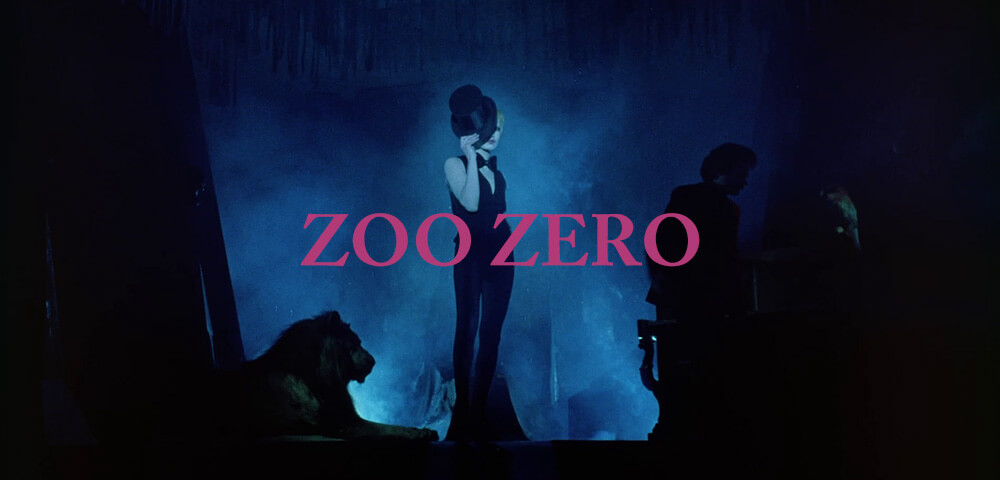
During a cataclysmic rainstorm in a Paris largely reduced to ruins and rubble, guests in baroque animal masks crowd a smokey nightclub called Noah’s Ark. Here, Eva (Eden and After’s Catherine Jourdan) takes the stage to perform a riviting song of illicit interspecies desire and a formative erotic experience involving a lion mauling at the Berlin Zoo. It’s the last number, of the night, and maybe of the city — “an accident or a disease” has ravaged the streets as trucks trundle over cobblestones with news of the military government in crisis and the animal world seems poised to reclaim lost ground from a waning humanity. But an encounter with a stranger at the club (a tuxedoed, stammering Pierre Clementi) sends Eva out into this city of crumbling bordellos and verdant parks to a series of fateful meetings with a fragmentary family — a mother ogre, a ventriloquist chauffeur who narrates the failure of the Spanish revolution with a Donald Duck puppet, twin foley artists, and, narrating from a vocoder organ at the heart the liminal human-animal space of the city zoo, a mournful Klaus Kinski. But like other pulp peaks of the 70s, this is less a film that suggests tidy synopsis than a true cinematic dream, where nocturnal correspondences between Mozart, escaped large cats, and the grasping of all-too-temporary human edifices override the logic of the waking world and categories become blurred by their own mysterious logic.

Exquisitely shot in oneirically shadowed day-for-night (and night-for-night) by Bruno Nuytten (of such Spectacle essentials as INDIA SONG, MON COEUR EST ROUGE, and POSSESSION!), and with assistant direction by Claire Denis, ZOO ZÉRO has been all but unseeable outside of messy bootleg transfers for far too long. Now, at last, artist and director Alain Fleischer’s masterpiece has been newly restored from 35mm, in a gorgeous HD transfer.

Newly restored HD print courtesy of Alain Fleischer, with English subtitles newly corrected and custom retimed by Spectacle volunteers.

SOUND AND FURY

SOUND AND FURY
(DE BRUIT ET DE FUREUR)
dir. Jean-Claude Brisseau, 1989
95 mins. France.
In French with English subtitles.

SATURDAY, NOVEMBER 6 – 7:30 PM
MONDAY, NOVEMBER 15 – 10 PM
SATURDAY, NOVEMBER 20 – MIDNIGHT
THURSDAY, NOVEMBER 25 – 10 PM CLOSED

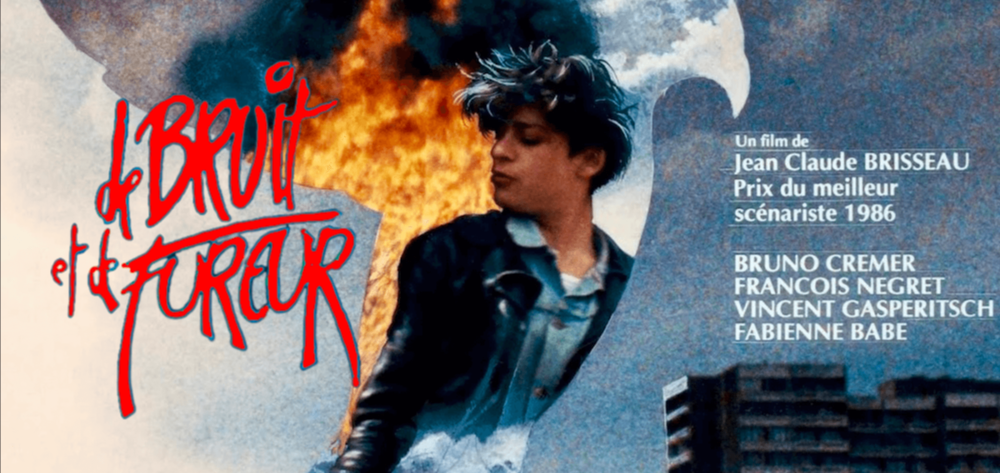
Ten years after we showed it in our DON’T LET OUR YOUTH GO TO WASTE series of teen rebellion films, Spectacle is thrilled to reprise Jean-Claude Brisseau’s searing portrait of disaffected youth, officially available to U.S. audiences for the first time courtesy of our friends at Altered Innocence in a gorgeous new digital restoration.

Considered an important entry in French cinema’s new naturalism from one of the most promising French filmmakers of the Eighties, SOUND AND FURY presents a shocking, surreal, and humanistic look at the tragic lives of impoverished children living in the Paris projects.

Bruno is a teenaged boy who has just moved into a high-rise project with his hard working but absent mother. Other than his pet bird Superman keeping him company, Bruno is alone. The apartment is located in one of the city’s roughest suburbs and Bruno’s involvement with crime seems inevitable. Shortly after, he is befriended by the streetwise but deeply troubled Jean-Roger, and Bruno goes out thieving, destroying property and harming people with a vengeance… hoping to receive the type of attention he so desperately wants at home.

“SOUND AND FURY is less concerned with social problems and their possible solutions than with evoking the pervasive aimlessness of a world that lives entirely in the present tense. The film records the specific details of terrible events without editorial comment… Mr. Brisseau has such authority as a director that he can slip into and out of moments of wildly heightened reality without prompting derisive giggles. The movie is soundly based.”Vincent Canby, The New York Times

“None of my films are realistic, and certainly not naturalistic, including SOUND AND FURY, even though it touched on a certain social reality. They all contain a shadow zone. I do like to come back to social reality, but I do it through the mixing of genres and the insertion of surrealist elements. When the Cinémathèque Française asked me to select some films that had influenced me to accompany a retrospective of my work, I realized that I’d chosen movies that all assumed an air of realism while completely evading it. Take Alain Resnais’s LA GUERRE EST FINIE: the film seems to deal with the political reality of the time, and yet that isn’t what Resnais filmed. In my own work, the subject is never naturalism but a certain kind of relation to reality. With each film, I try to find a new way to confront these complex relations. Watching one of my movies, you always have to ask yourself if you’re reading it correctly—for instance, should you be laughing at a film that began in such a somber way. During the first screening of SOUND AND FURY, the younger audience members laughed, and I was more or less with them. Meanwhile, the more serious viewers felt the kids had no right to make fun of such things.”Jean-Claude Brisseau, as told to Frédéric Bonnaud in Film Comment

Special thanks to Altered Innocence and Matthew Sniegoski.

MILLENIUM FILM WORKSHOP presents THE SPECTRAL CINEMA

MILLENNIUM FILM WORKSHOP presents THE SPECTRAL CINEMA
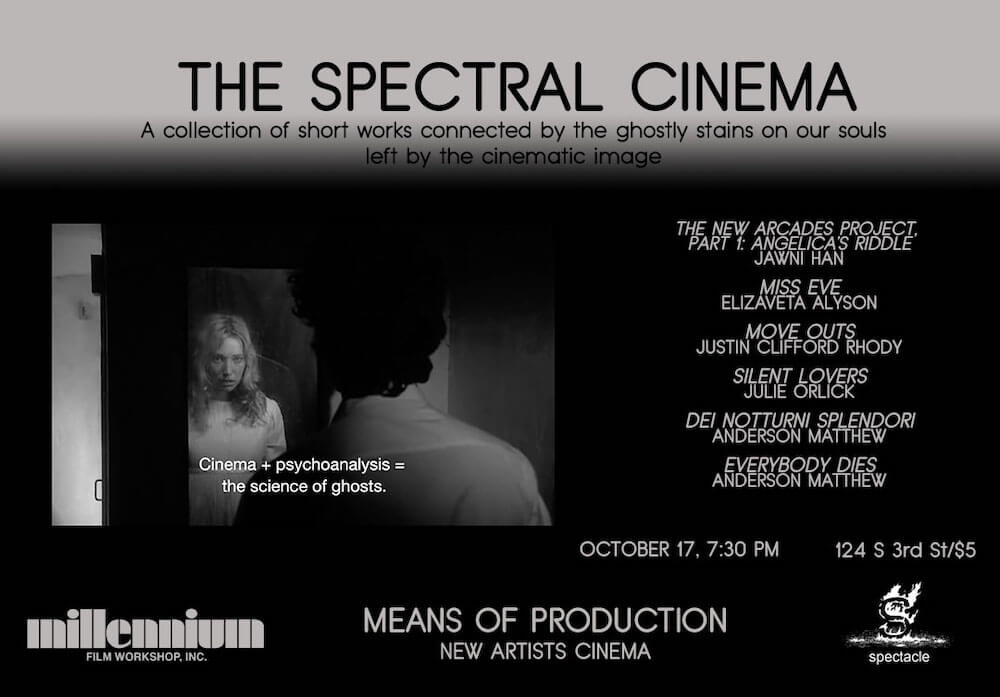
Sunday, October 17 – 7:30pm

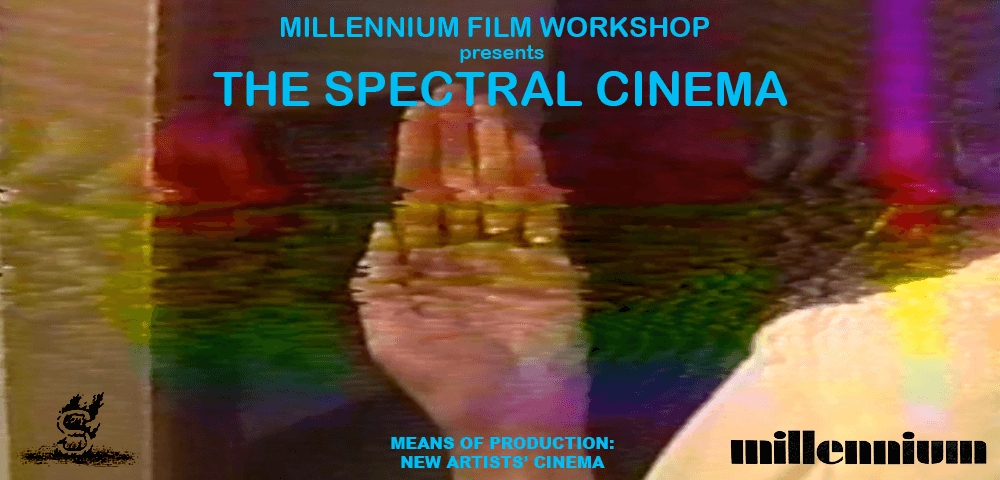
A collection of short works connected by the ghostly stains on our souls left by the cinematic image. This program opens with the first volume of filmmaker Jawni Han’s ongoing, Walter Benjamin-inspired video essay The New Arcades Project, Part 1: Angelica’s Riddle. Using the ghostly narrative of Manoel de Oliviera’s The Strange Case of Angelica as a jumping-off point, Han constructs a video dissection of the illusory aspect of the cinema that breathes life into dead, still images, making the past present and hauntingly visible. From there we diverge and offer a series of works to be considered in light of its observations. In these films, the spirits of dead stars possess our souls, empty houses are haunted by past lives captured on home video, the faces of star-crossed lovers are frozen for eternity, dark details of an empty opera are revealed to us in grainy still images, and in the end, Everybody Dies.

THE NEW ARCADES PROJECT, PART 1: ANGELICA’S RIDDLE
Dir. Jawni Han, 2020
USA, 18 min

The New Arcades Project has its origins in two cultural objects: Walter Benjamin’s Arcades Project and a lyrical fragment from Pavement song Gold Soundz. It is well known that Benjamin intended the Arcades Project to be more or less a collection of quotations pulled out of context from their original sources, then assembled together in a way that they generate new meanings via Benjamin’s collage technique. Putting his theory of weak messianism into practice, he sought to redeem these fragments of the past by building a sanctuary where they can stay and form new constellations of histoire(s). Benjamin’s quotation-collage technique and philosophy of history find their unlikely epigraph in Pavement’s Gold Soundz, in which Stephen Malkmus sings “you can never quarantine the past.”

In Angelica’s Riddle, we start with the irreconcilable tension between photography and cinema in terms of how time and duration are dealt with in each respective medium. Manoel de Oliviera’s haunting love story about a photographer obsessed with moving image The Strange Case of Angelica is our jumping off point. The illusion of 24 frames per second (Zeno’s paradox) takes us everywhere from Deleuze’s meditation on motion via Bergson, Derrida sketching out the early foundation of hauntology on camera, Kafka through Chantal Akerman’s News from Home, and finally, last but not least, to a mash-up of Kiarstami’s Shirin and Godard’s Breathless.

Jawni Han was born in Seoul and currently lives and works in Brooklyn. She received her BA in philosophy and makes films to explore and communicate her philosophical interests. Her films deal with various forms of specters from history that live among us, the destabilization of identity, and the possibility of non-linear experience of time through cinema. Jawni’s formal approach, which combines experimental and narrative traditions, is one way she makes sense of her queer identity and works through the contradictions she encounters in her experience as a transfem.
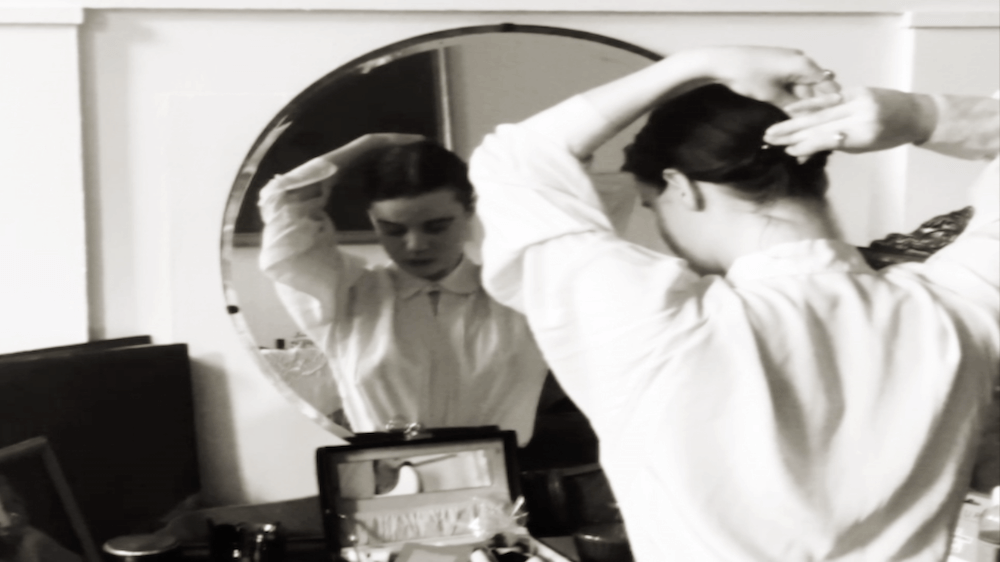
MISS EVE
Dir. Elizaveta Allyson, 2021
USA, 17 min
A woman haunted by her crippling obsession with a dead Hollywood actress confides in how it has overtaken her life and very being. We follow this woman, Eve, through her days and compulsive ritualistic routines. With intermittent interviews, talk sessions even, time and reality are obscured. It is left to wonder if what is shown takes place in her life or are in fact delusions replaying in her mind.
Elizaveta A. Rubin is a Brooklyn based underground filmmaker, actor and artist. A graduate of the Lee Strasberg Theatre & Film Institute and student of NYU Tisch, Elizaveta has trained in acting extensively and is a self taught filmmaker and screenwriter. Inspired by Surrealism, Tanztheater, ancient art, mystical mythologies, and the Russian avant-garde, she infuses her work with her personal research and seeks to find the nexus between her various artistic and intellectual interests and narrative storytelling. Elizaveta has recently been creating sculptural jewelry through the lost wax casting technique and has several films in the works.
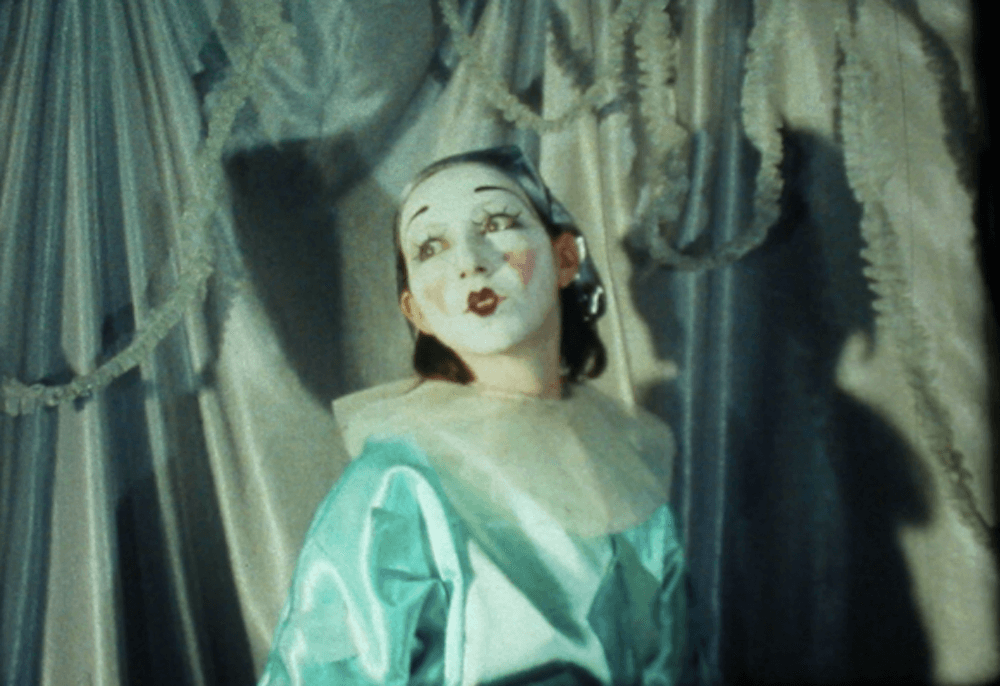
SILENT LOVERS 
Dir. Julie Orlick, 2017
USA, 11 min

Obedient to the sovereign ruler of his silent universe, a hopeless mime plays lap dog to a covetous queen in their silky echo chamber of imprisonment. As revelations befall upon the crestfallen clown, he realizes his dis-enthrallment through a shattering escape with the hand of a pirouetting harlequin, while Her Majesty’s empire and identity spiral into vibrant agony.

Presented on 16mm.
Julie Orlick (b. 1990; Los Angeles, California) is an American underground experimental filmmaker, analog photographer, poet & artist. Her visual landscape is evocative of the nascent stages of the artform in tandem with cult-cinema of mid-century American experimental filmmaking. Using a Bolex h16 Rex-5, her signature style employs in-camera bolex tricks, multiple exposures, slow motion, fast motion & superimpositions, to effect a pastiche of 20th century pop-culture, an epoch intimately bound to, and defined by, film.

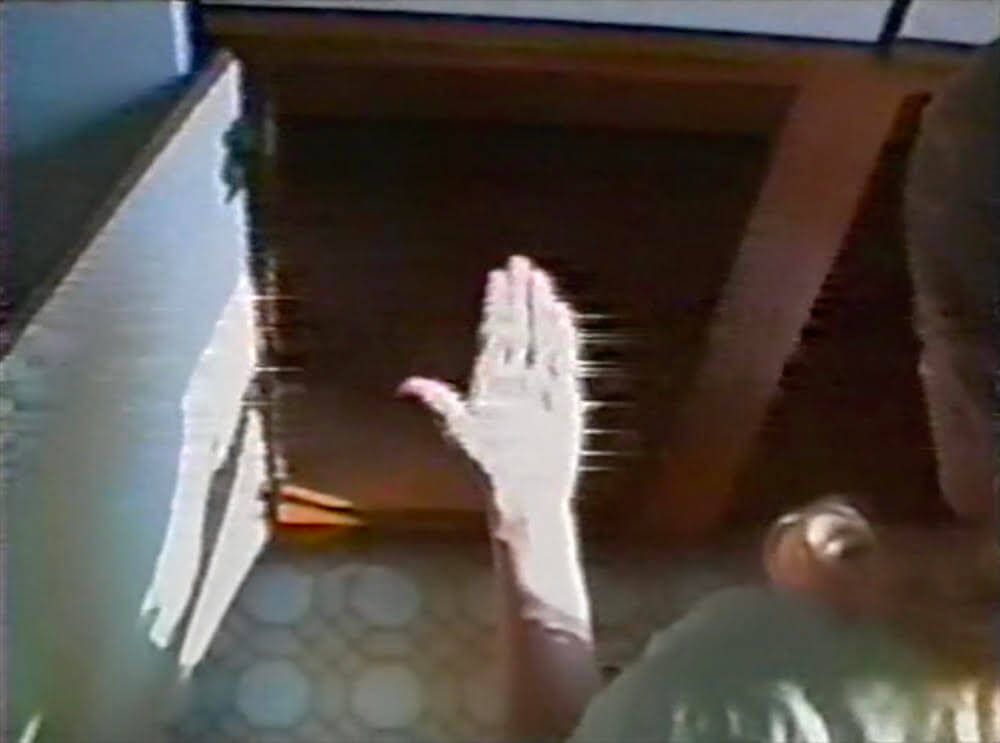
MOVE OUTS
Dir. Justin Clifford Rhody, 2020
USA, 18 min
A drifting malaise searches the domestic American interior for signs of life. Composed from found footage discovered on a VHS tape in a Midwestern alleyway. Original soundtrack by Carlos Gonazalez.

Justin Clifford Rhody is a photographer, filmmaker and sound artist living in New Mexico. He operates the media imprint PHYSICAL and organizes the No Name Cinema film series. More info available at: www.justincliffordrhody.com


DEI NOTTURNI SPLENDORI
Dir. Anderson Matthew, 2020
Germany, 10 min

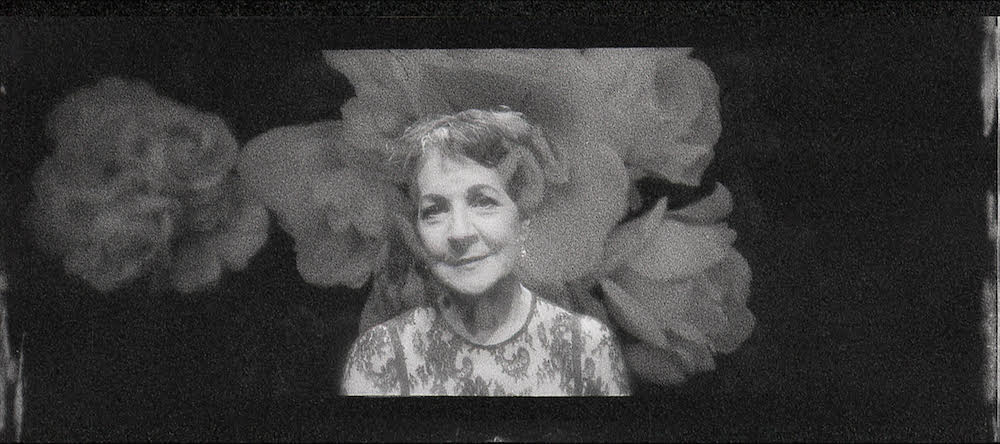
The sound of a distant whistle and theorbo calls a sleeping singer through the empty streets of Stuttgart in a midnight journey to the opera house.

Commissioned by the Staatsoper Stuttgart early into Germany’s pandemic lockdown, Anderson Matthew captures the singer Helene Schneiderman in ecstatic 35mm photo roman, singing a madrigal by Tarquinio Merula from 1638.
“And, ‘twixt the shadows and frights / of nocturnal splendors, / My beloved will secretly be hiding. / Say what you will, say what you may.”

EVERYBODY DIES
Dir. Anderson Matthew, 2020
USA, 8 min
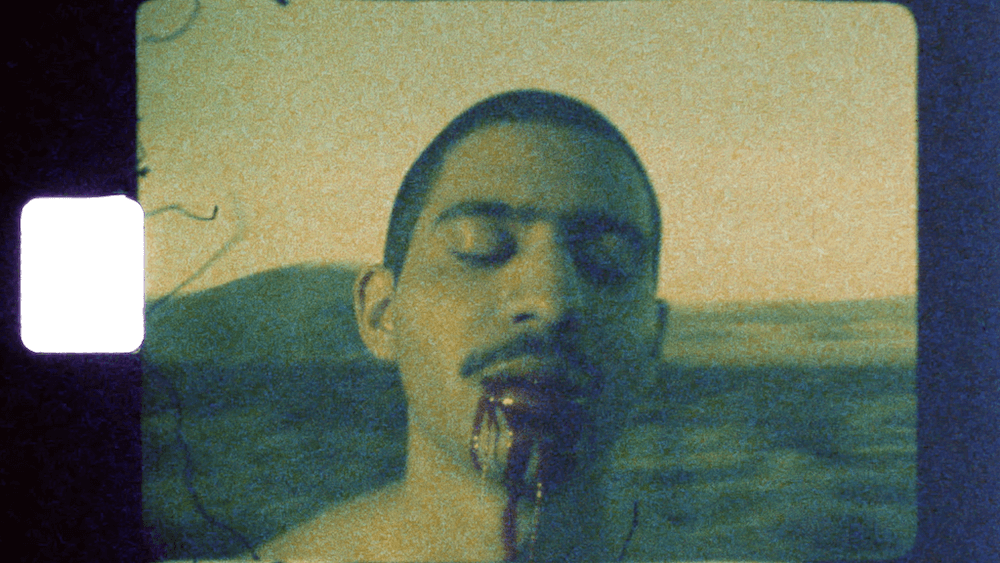
In Super 8mm, time, space and the body fold in on themselves. It’s a poetic journey into the desert — a reflection on the nature of death as something not to be feared but embraced as part of an intimate and universal human experience. Film by Anderson Matthew. Starring and scored by DNZ.
Anderson Matthew is a visual artist and filmmaker based in Los Angeles. His work centers on film experimentation and queer perspectives. More info available atwww.andersonmatthew.com / @and.matthew

THE SPECTRAL CINEMA is part of MEANS OF PRODUCTION: NEW ARTISTS’ CINEMA presented by MILLENNIUM FILM WORKSHOP
This series will be devoted to showcasing works from overlooked and unknown American and International contemporary artists working in film and video, and pushing bounds beyond the limitations implied in those forms. Whether presenting intimate-scale epic by heretical artists re-interpreting the world as they see it on a no-string budget, or artists expanding vision via new tools of expression in the present and future age, Means of Production is about looking forward to a 21st century where economic and technological barriers are broken down, ushering in a new era of highly original cinematic handiwork.
The Millennium Film Workshop was founded in 1967 by a group of filmmakers with a vision to expand accessibility to the tools, ideas, and networks of filmmaking beyond the confines of institutions and corporate studios. Millennium has put on countless educational workshops, artist-hosted screenings, printed our renowned publication The Millennium Film Journal, served as a production hub kickstarting the careers of many prominent filmmakers such as Stan Brakhage, Todd Haynes, Yvonne Rainer, Carolee Schneeman, Michael Snow, Bruce Connor, Nick Zedd, Andy Warhol and Bruce Connor  and has played a large role in dismantling the monetary and educational barriers separating the art and craft of filmmaking from the general public.