
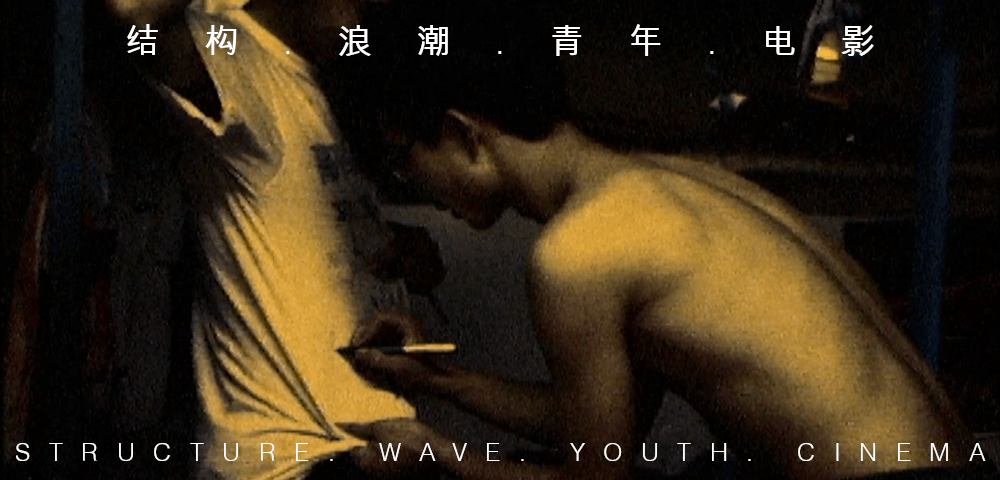
The late 1980s and early 1990s marked a decisive period for documentary film in China, especially in the months and years following the June 4, 1989 Tiananmen Square massacre. A new kind of cinema began to emerge: one that captured contemporary urban and rural life “on the scene” (现场) and at the margins. One of the most important collectives at the forefront of China’s New Documentary Movement was the Structure. Wave. Youth. Cinema. (SWYC) Experimental Group. Yet many of the films made by this group have remained largely unseen due to censorship and state interference.
The “SWYC” acronym also alludes to the names of the group’s four core members: Shi Jian (时间), Wang Zijun (王子军), Kuang Yang (邝杨), and Chen Jue (陈爵). Formed in the late summer of 1989 in a China Central Television (CCTV) dormitory, the group would go on to have a major impact on the aesthetic development of documentary cinema in China in the following years, especially through the films and television series its members directed and produced during their long careers within state media institutions. Seen together in what is, to date, the most expansive SWYC retrospective, these works restore a long-missing chapter in Chinese film history and offer critical insight into life in China during a period of rapid and enormous social, political, and economic change.
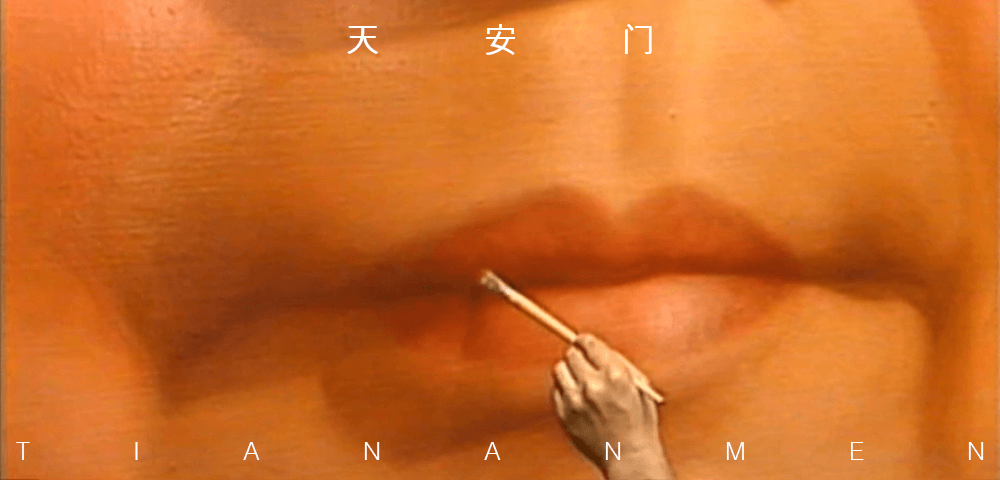
TIANANMEN
(天安门)
Dirs. Shi Jian, Chen Jue. 1988–91.
China. 420 min.
In Mandarin with English subtitles.
SATURDAY, APRIL 11 – 2 PM
An eight-part documentary series originally commissioned by China Central Television (CCTV) and filmed in the late 1980s but shelved after the June 4th Tiananmen crackdown. Co-directors Shi Jian and Chen Jue completed the film independently in 1991—but their efforts to screen it were blocked. TIANANMEN offers insight into the lives of Imperial-era survivors; assesses the pressures of economic reform; delves into post-Cultural Revolution liberalization; and glimpses the avant-garde, counter-cultural, and rock music scenes in the capital city. Over a sprawling and eclectic seven hours, the film captures contradictions and anxieties about life in China; above all, it reflects a guarded but strong-willed sense of optimism about a China suspended between past traumas and an uncertain future.
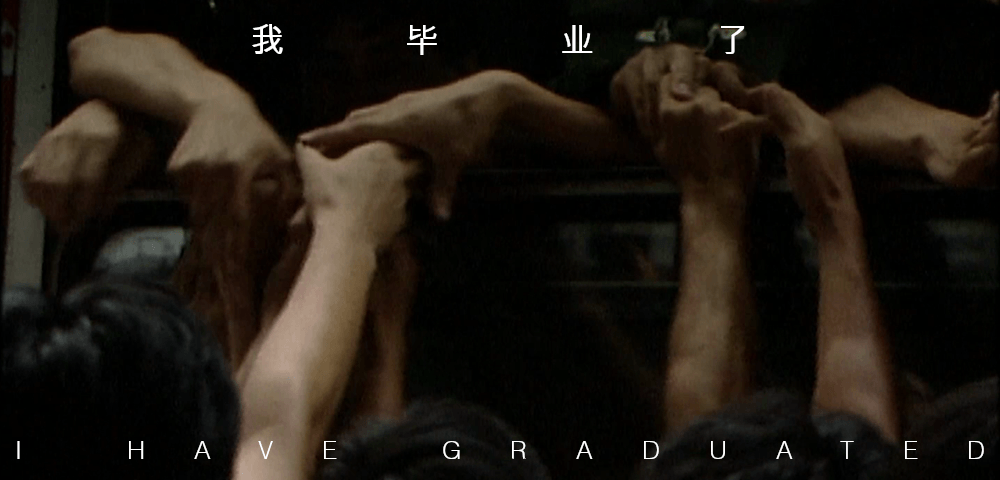
I HAVE GRADUATED
(我毕业了)
Dirs. Shi Jian, Wang Guangli. 1992.
China. 93 min.
In Mandarin with English subtitles.
FRIDAY, APRIL 3 – 5 PM
SUNDAY, APRIL 12 – 7:30 PM (w/ Q&A)
FRIDAY, APRIL 24 – 10 PM
An independently produced documentary made discreetly by co-directors Shi Jian and Wang Guangli (while the former was working at CCTV), I HAVE GRADUATED is a stirring tribute to the graduating class of 1992—the last class to have experienced the events of June 4th, 1989. College seniors from various Beijing universities are interviewed in their dorms and around campus, speaking frankly about love and sex, careers, emigration, and the future of the country as they fill their final days at school with songs and last goodbyes.
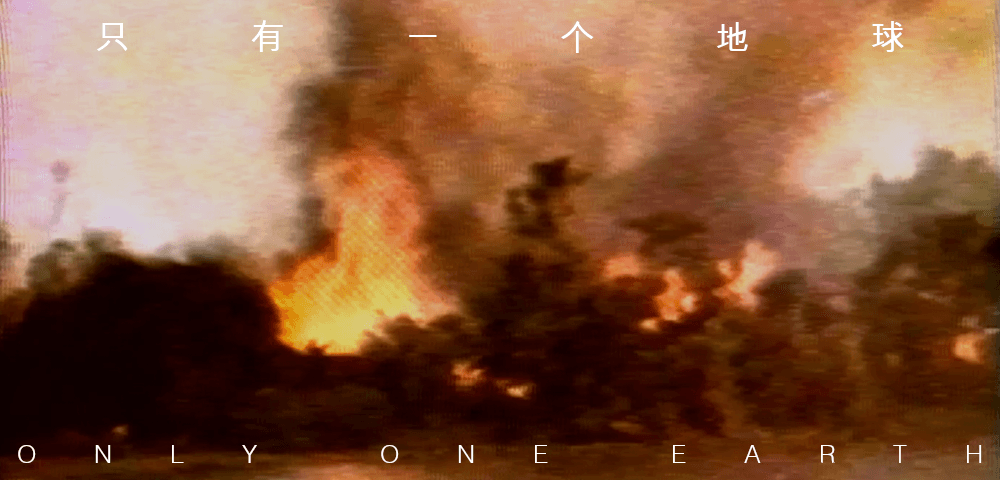
ONLY ONE EARTH
(只有一个地球)
Dirs. Chen Jue, Jiu Ke. 1990.
China. 81 min.
In Mandarin with English subtitles.
EARTH DAY (WEDNESDAY, APRIL 22) – 7:30 PM
TUESDAY, APRIL 28 – 10 PM
Planned for a CCTV broadcast on China’s first celebrated Earth Day but ultimately blocked from airing, ONLY ONE EARTH addresses a world in the midst of ecological crisis. The most visually experimental of the films in this program, Chen Jue uses techniques learned from studying filmmakers like Chris Marker and documentaries like Alexander Grasshof’s FUTURE SHOCK to present harrowing international and domestic episodes of famine, species loss, toxic exposure, animal slaughter, and chemical weapons—while drawing on anxieties and collective trauma carried by an entire generation of Chinese intellectuals at the end of the 1980s.
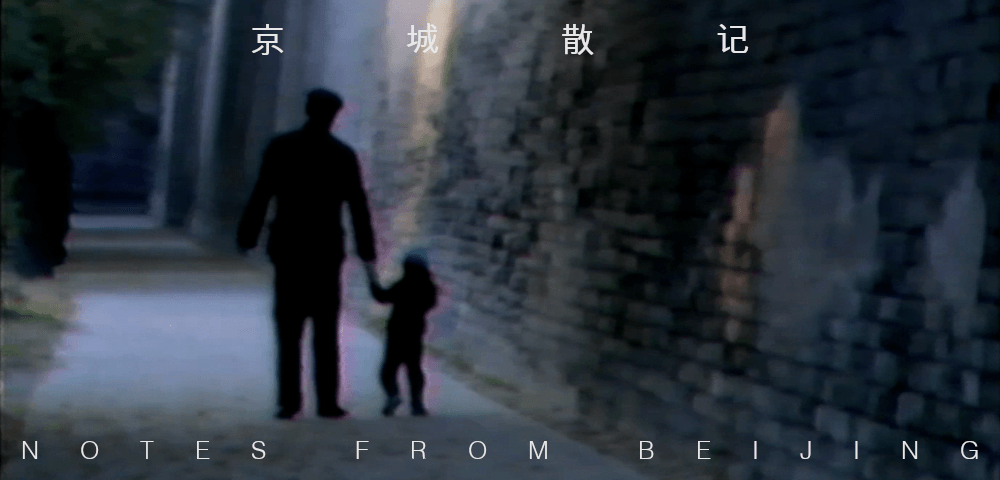
NOTES FROM BEIJING
(京城散记)
Dirs. Wang Zijun, Sun Yongsheng. 1988-1991.
China. 175 min.
In Mandarin with English subtitles.
MONDAY, APRIL 13 – 7 PM
WEDNESDAY, APRIL 22 – 10 PM
WEDNESDAY, APRIL 29 – 10 PM
Shot concurrently with TIANANMEN in the late 1980s, and viewed as its “sister series”, NOTES FROM BEIJING presents a more personal view on the Imperial Capital and its sprawling 20th century history. Born and raised in Beijing, Wang Zijun combines first-person narrative with archival footage and verité vignettes to give the film a diaristic voice, establishing it as the accrued mental notes of an “Old Beijinger”: a freewheeling collection of assorted wisdoms, anecdotes, and impressions on its author’s hometown.
Like TIANANMEN, NOTES FROM BEIJING was originally conceived and produced as an eight-part documentary series. However, only seven of its eight completed episodes were permitted to air on state television. For this screening, the first six episodes of the original series have been recovered and are presented here.
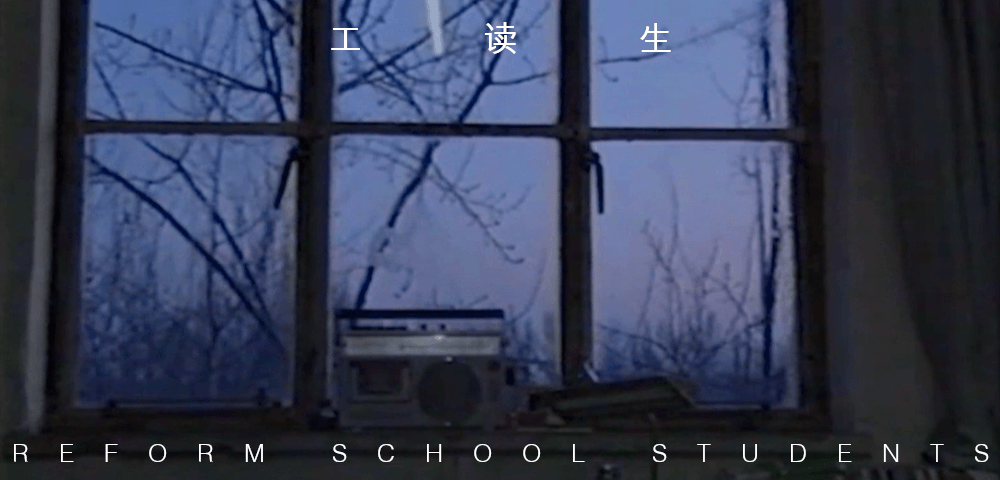
REFORM SCHOOL STUDENTS
(工读生)
Dirs. Wang Zijun, Wang Lan. 1994.
China. 142 min.
In Mandarin with English subtitles.
THURSDAY, APRIL 23 – 10 PM
SUNDAY, APRIL 26 – 7:30 PM
Filmed over four years at three reform schools (工读学校) in Beijing, this shelved documentary series was made by the husband-and-wife Wang Zijun and Wang Lan for Beijing Television (BTV). Granted exceptionally rare access not only to the students, but also to their families, teachers, and administrators, the filmmakers conduct intimate interviews while also grappling openly with the ethics of their own project, fully aware of the stigma attached to those who attend these schools. REFORM SCHOOL STUDENTS is a sensitive, spiritually invested, and reflexive work—a sensibility far ahead of its time.
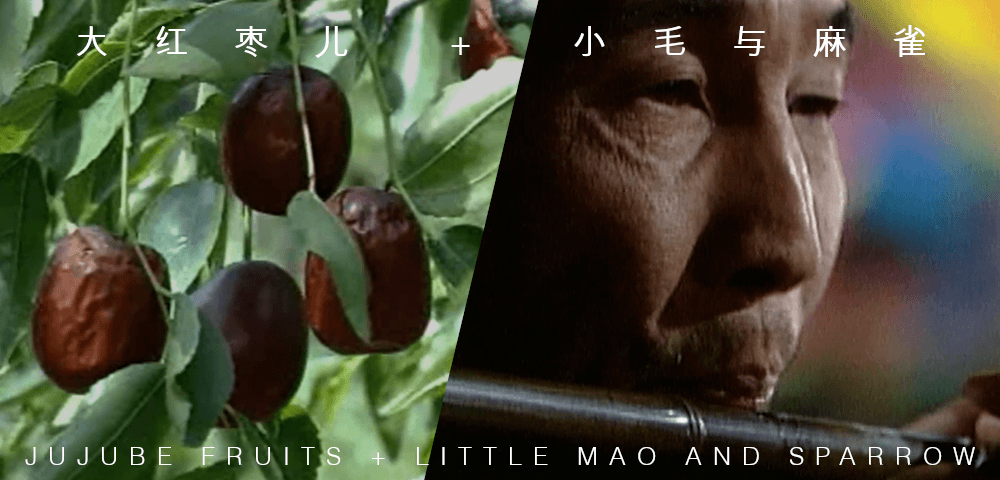
JUJUBE FRUITS
(大红枣儿)
Dirs. Wang Zijun, Wang Haiping, Yangyang. 1994.
China. 56 min.
In Mandarin with Chinese and English subtitles.
LITTLE MAO AND SPARROW
(小毛与麻雀)
Dirs. Shi Jian, Liu Xiaojin. 1994.
China. 69 min.
In Mandarin with Chinese and English subtitles.
SATURDAY, APRIL 4 – 5 PM
These two short feature documentaries expand the scope of the SWYC filmmakers’ work beyond the bounds of the Chinese capital—to a night market in Wuhan (LITTLE MAO AND SPARROW), a popular space for street performers, and to a small village in the Taihang Mountains (JUJUBE FRUITS). The films also introduce more overtly experimental elements into the group’s vocabulary, engaging questions of reflexivity through their subjects’ self-aware performances before the camera and, in places, by using reenactment sequences. Both films were produced for regional state television stations but were ultimately cut down for broadcast; this screening presents the full original versions of each.