SPECTACLE DELIVERY: 3 PIZZA MOVIES

SPECTACLE DELIVERY: 3 PIZZA MOVIES

This July, in the heart of Brooklyn, we here at Spectacle are celebrating the region’s great on-the-go meal: the pizza pie. The recent release of Tate Hoffmaster’s tromadjacent horror comedy riot PIZZA GUY 8 gives us as good an excuse as any to unearth other films dedicated to our beloved slice. Delivered hot and ready to your favorite goth bodega microcinema are PIZZA GUY 8, the ‘90s hangout comedy TELLING YOU, and the revival of the Spectacle classic PIZZA, BIRA, FASSO.

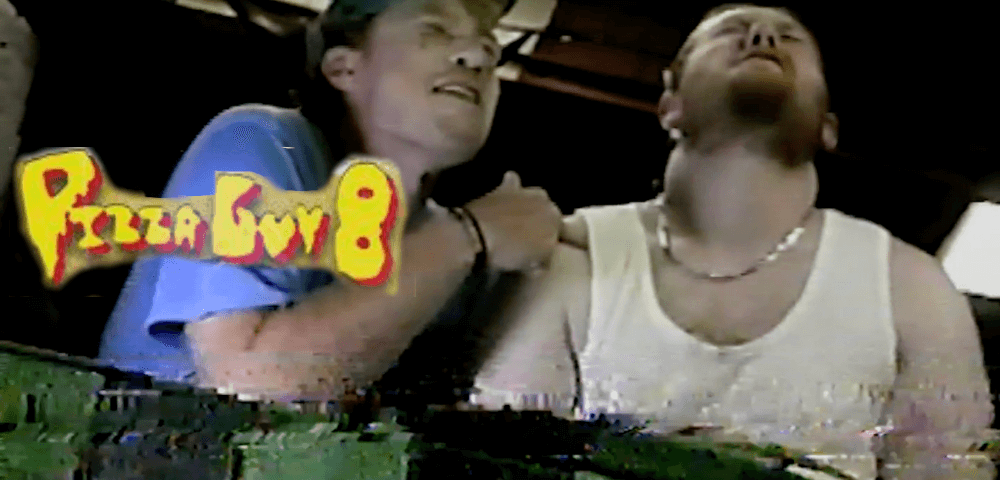
PIZZA GUY 8

PIZZA GUY 8
Dir. Tate Hoffmaster, 2025
United States. 93 min.
In English.

THURSDAY, JULY 10 – 10 PM
FRIDAY, JULY 18 – 10 PM
TUESDAY, JULY 22 – 7:30 PM
SATURDAY, JULY 26 – 5 PM (w/Q&A)

SPECIAL EVENT TICKETS (7/26)

GENERAL ADMISSION TICKETS

The incompetence of a zit-festooned, cannabis-obsessed pizza delivery guy (writer/director Tate Hoffmaster) quickly turns into a delirious meta-heavy bloodbath.

Grotesquely shot on video by Dylan Mars Greenberg (director of last year’s Spectacle smash SPIRIT RISER) and co-edited by Brewce Longo of Bloodsick Productions, PIZZA GUY 8 is this year’s genre-bending, gut-busting contribution to the Northeast’s recent boom in DIY lo-fi horror filmmaking madness. Featuring an in-person Q&A with Hoffmaster and Greenberg!

pizza birra faso

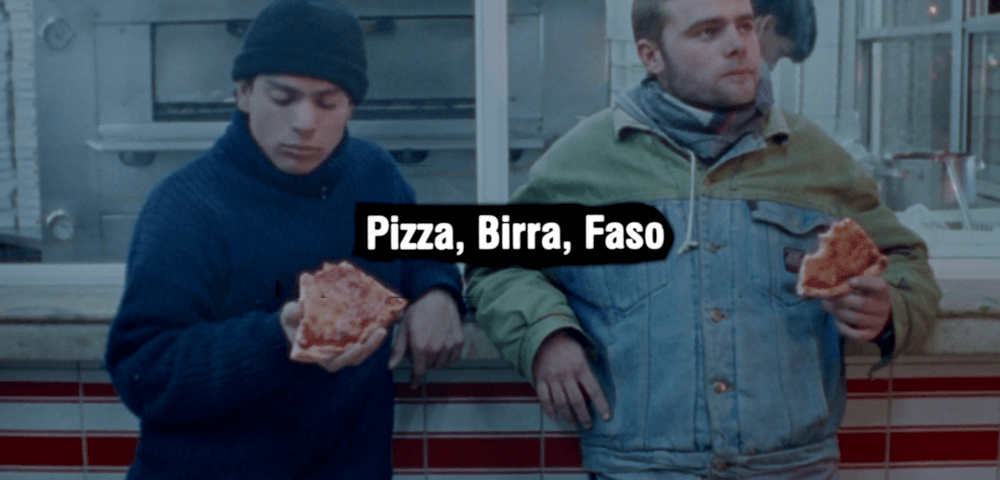
PIZZA, BIRRA, FASO
Dir. Adrián Caetano and Bruno Stagnaro, 1997
Argentina. 92 min.
Spanish with English Subtitles.

THURSDAY, JULY 3 – 7:30 PM
SATURDAY, JULY 12 – 10 PM
THURSDAY, JULY 31 – 10 PM

GENERAL ADMISSION TICKETS

FOUR FRIENDS. ONE CITY. ONLY ONE WAY OUT.

Making a triumphant return to Spectacle after screening back in 2017, PIZZA, BIRRA, FASO evokes the brutal realism of the Spanish Cine Quinqui movement through the lens of impoverished youths on the outskirts of Buenos Aires. As picturesque as it is tragic, on top of being one of Argentina’s crime gems, it contains one of cinema’s purest depictions of catching up with your homie over a plain slice.

Special Thanks to Bruno Stagnaro.

telling you

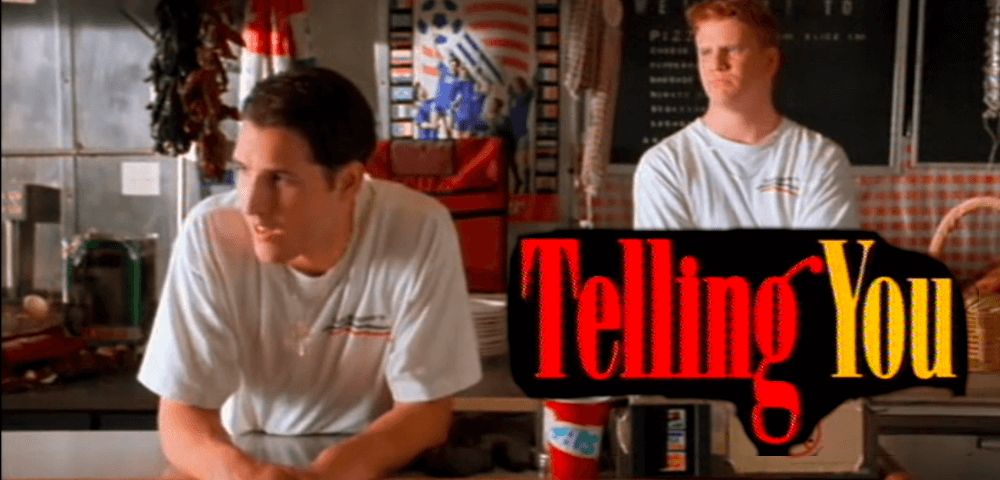
TELLING YOU
Dir. Robert DeFranco, 1998
United States. 94 min.
In English.

WEDNESDAY, JULY 2 – 7:30 PM
WEDNESDAY, JULY 9 – 10 PM
FRIDAY, JULY 18 – 5 PM
FRIDAY, JULY 25 – 7:30 PM

GENERAL ADMISSION TICKETS

THEY’VE GOT CHARM. THEY’VE GOT STYLE. THEY’VE GOT ONE-TRACK MINDS!

Peter Facinelli and Dash Mihok play two nice Long Island boys who watch the world go by from behind a pizza counter with a varied cast of weirdo customers (featuring a stunning highlight from legendary character actor Richard Libertini as the quirky vagabond Mr. P) and neglectful tough guy Italian bosses. While the film never got a true distribution chance, the independently funded TELLING YOU contains the slice-of-life wit that reflects the work of Richard Linklater and Kevin Smith at their funniest and most insightful. Also assisted by Jennifer Love Hewitt and Matthew Lillard in expressively comedic roles, TELLING YOU is another ‘90s gem deserving of a cult revaluation.

Special Thanks to Robert DeFranco and Tiffany Greenwood of SWANK.

THE SUNS OF EASTER ISLAND

The Suns of Easter Island
Dir. Pierre Kast, 1972.
France, 90 min.
In French, Spanish and Portuguese.

TUESDAY, JULY 1 – 7:30 PM
SUNDAY, JULY 13 – 7:30 PM
FRIDAY, JULY 25 – 5 PM
WEDNESDAY, JULY 30 – 7:30 PM

GET TICKETS

A group of 7 scientists, researchers, and spiritual leaders from around the globe receive disturbing visions and wake up with mysterious markings on their palms. They all seem to know one thing for certain; the answer to their questions lie on Easter Island. They also happen to have impeccable 1970s drip.

The Suns of Easter Island is preceded by the animated film, The Heat of a Thousand Suns, both directed by Peter Kast. Thousand Suns is sparsely animated but visually rich, composed of still paintings by Spanish surrealist Eduardo Luiz. Kast directs these two science fiction tales in a methodical manner, slowly revealing the humanity behind their mysteries. Come and see two unforgettable metaphysical films this July at Spectacle!

Screenings Will Be Preceded By:

The Heat of a Thousand Suns
Dir. Pierre Kast, 1965.
France. 25 min.
In French.

THREE POTTER PLAYS: DENNIS POTTER’S EARLY WORKS

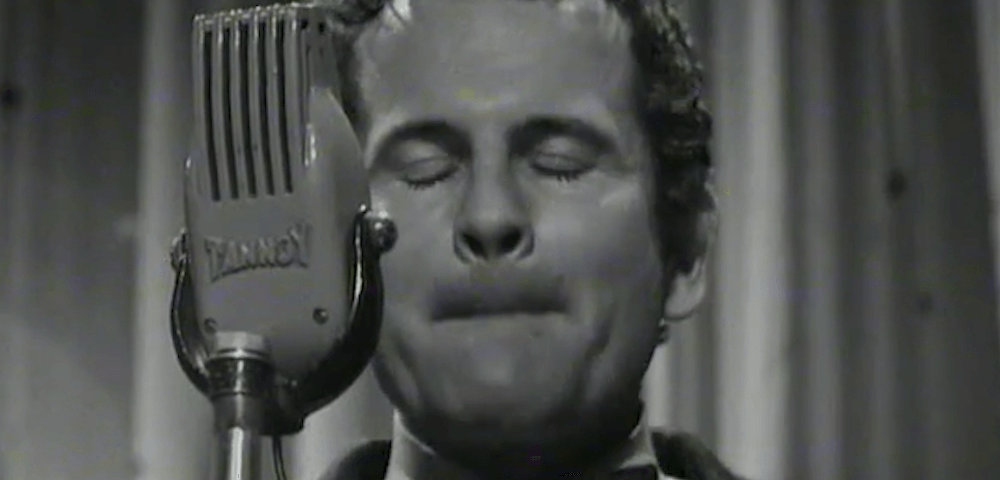
Although best known for the serials PENNIES FROM HEAVEN (1978) and THE SINGING DETECTIVE (1986), British playwright Dennis Potter created a huge and varied body of work that places him among the most important television auteurs of the twentieth century. Emerging from the same fertile production environment that cultivated the early “kitchen-sink realism” of Mike Leigh and Ken Loach, Potter’s early TV plays took a more fractured and elliptical approach to similar socially conscious subject matter, while also developing his consistent themes: arrested development, repressed sexuality, the mundanity of postwar life, and the cruelty of human nature. Often blending fantasy and reality and incorporating musical numbers as the main characters’ only means of escape from the misery of their own existence, these three early, criminally underseen plays show Potter coming into his own as a unique and acerbic talent — and are, in many ways, far more personal and scathing than the better-known work that followed.

MOONLIGHT ON THE HIGHWAY
dir. James MacTaggart, 1969
UK, 52 min.

TUESDAY, JULY 1 – 10 PM
FRIDAY, JULY 11 – MIDNIGHT
THURSDAY, JULY 17 – 10 PM
MONDAY, JULY 28 – 10 PM

GET TICKETS

A prominent Shakespearean actor for much of the 1950s and 1960s, Ian Holm had an early starring screen role as David Peters, an obsessive fan of 1930s crooner Al Bowlly. David collects Bowlly memorabilia, publishes a fan-club newsletter, and finds solace in lip-syncing to his records. Through sessions with a psychiatrist, David’s painful past is reopened, leading to a dramatic climax at a meeting of the Al Bowlly Appreciation Society. MOONLIGHT ON THE HIGHWAY is Potter’s earliest exploration of one of his signature motifs: popular culture as a conduit to escape personal trauma. Told non-linearly through flashback and musical numbers, the play most acutely foreshadows THE SINGING DETECTIVE in style and form, and features a remarkably nuanced and sensitive performance from Holm, whose subsequent roles as primarily a character actor rarely offered a showcase for his talents.

SCHMOEDIPUS
dir. Barry Davis, 1974
UK, 67 mins.

TUESDAY, JULY 8 – 7:30 PM
TUESDAY, JULY 15 – 10 PM
FRIDAY, JULY 25 – MIDNIGHT

GET TICKETS

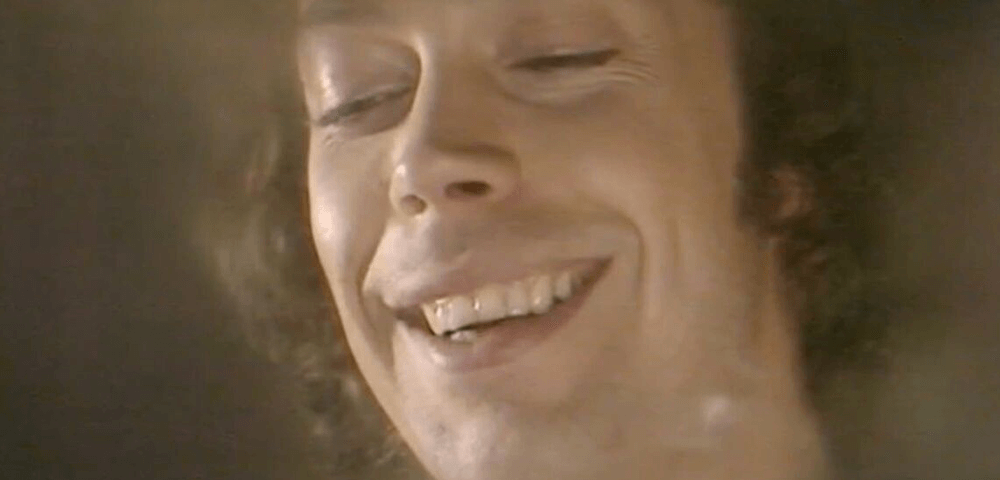
Elizabeth Carter (Anna Cropper) is a mild-mannered housewife in a lifeless relationship with her emotionally impotent husband Tom (John Carson), a train engineer. Their mundane existence is disrupted when a mysterious young man named Glen (Tim Curry) arrives at their doorstep, claiming to be the long-lost son Elizabeth had given up for adoption years earlier. As Glen digs his claws deeper and deeper into Elizabeth, secrets from her past are slowly unravelled with a mix of comedy, horror, and surrealism calibrated by Potter with perfect burrowing unease. Curry has rarely been as unhinged and manic, and Cooper matches him in her fearlessness, making for an unsettling family portrait complete with semi-erotic serenade from son to mother that will make you want to take a nice long shower afterward.

BLUE REMEMBERED HILLS
dir. Brian Gibson, 1979
UK, 72 mins

SATURDAY, JULY 5 – MIDNIGHT
FRIDAY, JULY 11 – 10 PM
MONDAY, JULY 28 – 7:30 PM

GET TICKETS

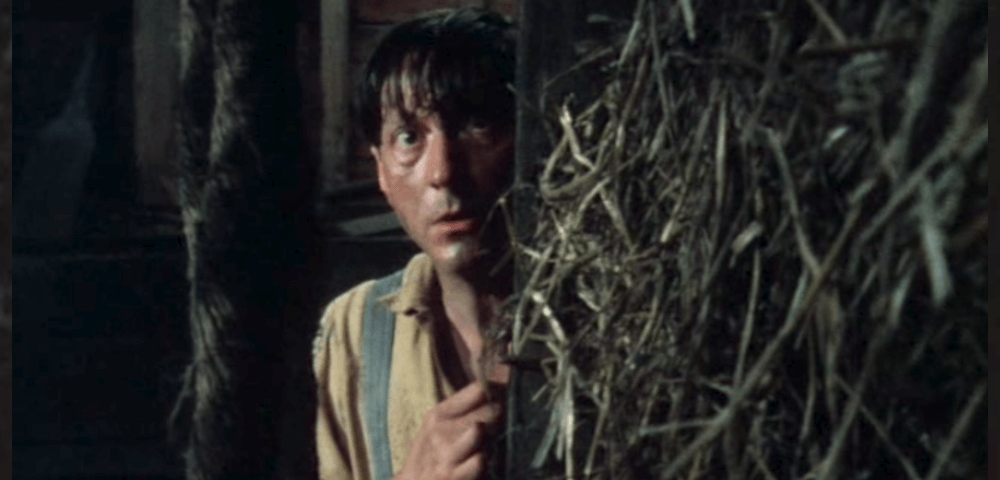
Perhaps Potter’s most autobiographical play, BLUE REMEMBERED HILLS follows a group of seven-year-old children as they explore the adultless countryside during the wartime summer of 1943. As the games the group play unfold, cliques form, and the stakes grow ever more dire. Potter’s own upbringing in the rural and remote Forest of Dean was a huge influence on his work, and here he uses the landscape and dialect of his native region to emphasize the hermetic nature of childhood worlds — worlds that can be more brutal and unforgiving than the adult one. Featuring adult actors playing children way before CLIFFORD and THE REHEARSAL (including Helen Mirren, the star of the same year’s CALIGULA), BLUE REMEMBERED HILLS feels like a spiritual ancestor to Michael Haneke’s THE WHITE RIBBON in anatomizing breakdown of society from the bottom up.

THE GHOSTS OF VALERI RUBINCHIK

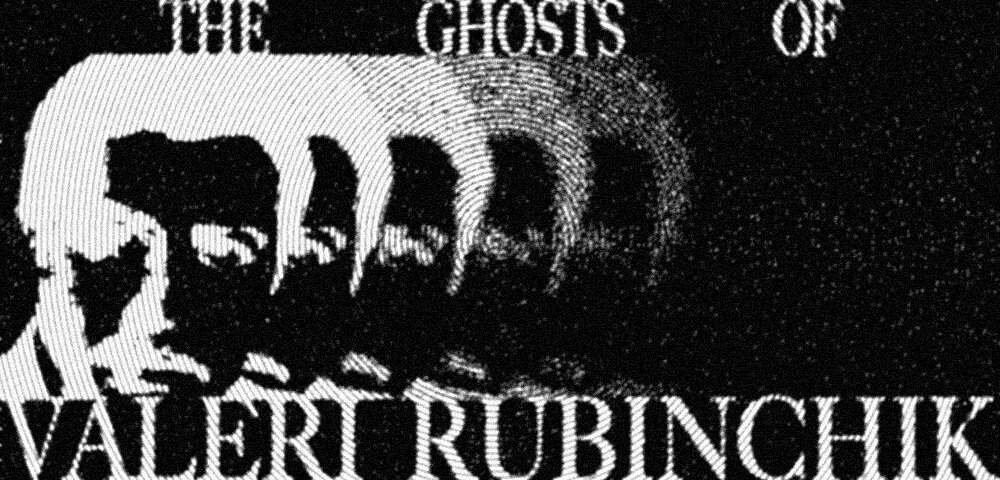
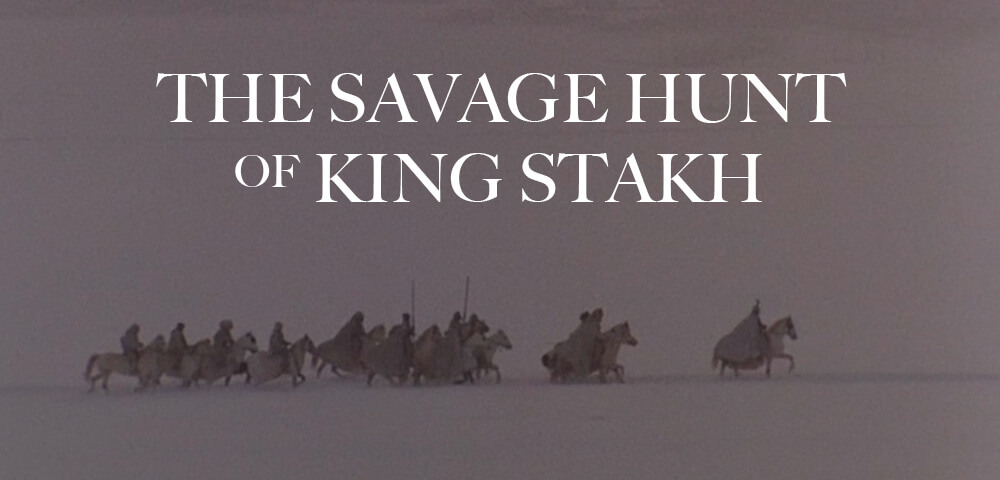
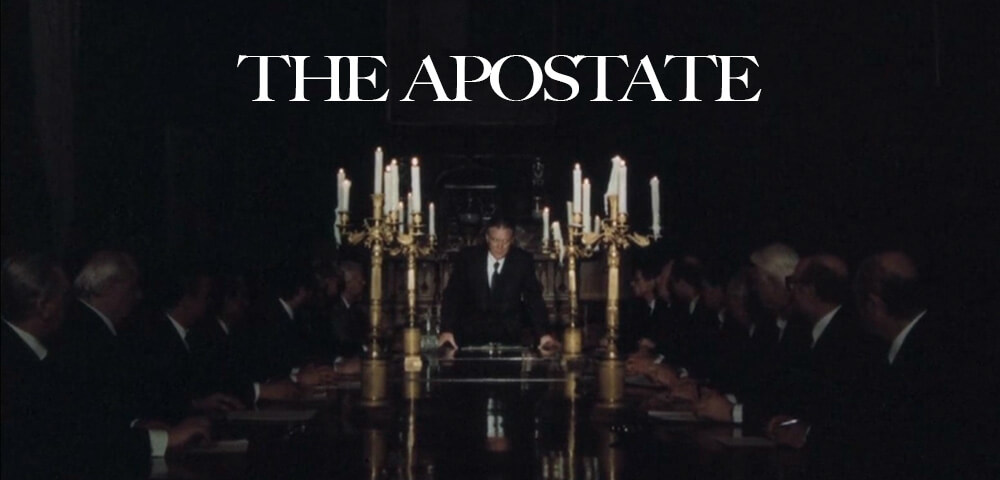
This July, Spectacle invites you to experience two films from Valeri Rubinchik in all their gothic glory. A Belarusian director from the twilight years of the USSR, Rubinchik was an exemplar of the more lyrical Soviet counterargument to Hollywood blockbuster films. This is likely the reason that his films have until recently gone largely unseen since their initial release. The two films presented, THE SAVAGE HUNT OF KING STAKH and THE APOSTATE, showcase Rubinchik’s mastery over atmosphere and the psyche. Weaving together massive tableaus, complex camera work, and nonlinear editing, Rubinchik’s two films offer a fresh look at horror and sci-fi from behind the iron curtain.

 
SAVAGE HUNT OF KING STAKH

THE SAVAGE HUNT OF KING STAKH
Dir. Valeri Rubinchik, 1980
Belarus. 134 min.

SUNDAY, JULY 6 – 5 PM 
MONDAY, JULY 14 – 7:30 PM 
WEDNESDAY, JULY 23 – 7:30 PM
THURSDAY, JULY 31 – 7:30 PM

BUY TICKETS

This is a horrible, damned house.

Welcome to Marsh Firs, the gothic mansion at the center of a bloody folktale that a young ethnographer has come to collect. Shortly after his arrival, the erudite skeptic finds himself an unwitting witness to the Wild Hunt, a trope common in Eastern European folklore, lead by the ghost of a vengeful nobleman killed at the mansion while there as a guest hundreds of years prior. But the Wild Hunt may be the least of his worries during his stay with the estate’s unstable mistress who unveils more about her family’s past and the menagerie of ghosts that haunt them.

A rare contribution to the horror genre from Soviet cinema, THE SAVAGE HUNT OF KING STAKH was recently restored by Deaf Crocodile in 2023. Leave your jump-scares at home and settle in for the horrors of paranoia and psychological torture.

 
THE APOSTATE

THE APOSTATE
Dir. Valeri Rubinchik, 1987
Belarus. 163 min.

SUNDAY, JULY 6 – 7:00 PM 
THURSDAY, JULY 17 – 7:00 PM 
MONDAY, JULY 21 – 7:00 PM

BUY TICKETS

A scientist develops a method to clone living material. Before long, the government steps in to weaponize this discovery for their own gain. Five genetically identical presidents later, the implications of such technology have already spiraled out of control. Arguing with yourself, facing your own mortality, and questioning who you are have rarely been more literal.

It’s easy to see THE APOSTATE as a commentary on a country at odds with itself, a fracturing of identity, in the wake of the recent relaxations from perestroika two years prior. Rubinchik’s vision of the future isn’t exactly optimistic. A sense of doom, a mood suffused throughout Rubinchik’s late works, hangs over the film as earthquakes shake interiors, sea levels rise, and horse and carriages ride past imposing brutalist architecture.


THE SPECTACLE BEACH EPISODE: ANIME NO GOGO SELECTS

The Beach Episode: a tried and true anime trope. Exhausted from their adventures, our heroes decide to make a detour into paradise, hoping to find some time to cool off, take a dip, and feel the sand between their toes. Sadly, we here at Spectacle cannot offer sandy shores or sea breezes. The city won’t let us. The best we can do is pick out two of the most mind-altering anime flicks you still haven’t seen and crank the AC real, real hard; and if you insist on taking your shoes off – we can’t really stop you.

This summer, the party is at Spectacle. No invite required. Always $5.


As part of our refreshment menu, we are offering these two ice cold works of wonder:

THE FLYING LUNA CLIPPER
(ザ・フライング・ルナクリッパー)
Dir. Ikko Ohno. 1987.
Japan. 55 min.
In English and Japanese with English Subtitles.

SATURDAY, JULY 5 – 7:30 PM
TUESDAY, JULY 8 – 10 PM
FRIDAY, JULY 18 – MIDNIGHT
TUESDAY, JULY 22 – 10 PM

TICKETS

Throughout the 1980s, the highly versatile range of MSX home computers were taking Japan by storm. Their ease of use made them perfect for the education sector, whereas their graphic and sound hardware made them ideal for gaming and artistry. One such artist was the enigmatic Ikko Ohno, a graphic designer and columnist working for MSX Magazine. His unmistakable and playful trop-pop art covers (made on MSX computers) can be found across the catalog. During this time, Ohno began working on a movie which could further showcase his own art while also demonstrating the full, untapped potential of MSX computing.

Released onto the local home video market before quickly falling into obscurity, it would be almost 30 years until a rogue Laserdisc copy of Ohno’s art project was discovered in a Japanese thrift store by journalist Matt Hawkins, who would eventually unleash what is thought to be one of the strangest experimental pieces of animation ever made – THE FLYING LUNA CLIPPER, which has gone on to influence artists, musicians, and game creators the world over.

Laying somewhere in the sands between video game and video art, THE FLYING LUNA CLIPPER is a tranquil and tropical hazy daydreamy tale of vacationing snowmen, magnificent sea-planes, and dancing banana ladies. The island vibes are undeniable, and must be seen to be believed.

Screening alongside:

NAGISA NO PEPPY
(渚のペピー)
1987.
Japan. 2 min.

TAMALA 2010: A PUNK CAT IN SPACE
(タマラ 2010 ア パンク キャット イン スペース)
Dir. t.o.L. 2002.
Japan. 92 min.
Japanese with English Subtitles.

SATURDAY, JULY 5 – 5 PM
TUESDAY, JULY 15 – 7 PM
SUNDAY, JULY 20 – 5 PM
WEDNESDAY, JULY 30 – 10 PM

TICKETS

Mickey Mouse. Astro Boy. Betty Boop. Hello Kitty. Tamala. Wait – you don’t know Tamala? She’s only the most important kitty cat in Meguro City,  no – on all of Cat Earth! Her face is everywhere. You can’t escape it. It’s almost creepy… Anyway!

TAMALA 2010: A PUNK CAT IN SPACE is the story of our titular Tamala (don’t call her Tam). Despite her cute looks, Tamala is no baby. She smokes, she drinks, she curses, she starts fires, she struts ass. Certainly not appropriate behaviour for the corporate face of CATTY & CO. Feeling stifled by her overbearing human mother and a general sense of ennui, Tamala decides to steal a rocketship and hightail it off the planet Aye Es Aye Pee. With her boyfriend Michaelangelo (don’t call him Moimoi) by her side, the two work to uncover the mysteries of Tamala’s real family, her true nature, and her shocking purpose in the universe.

Funded and conceived by the mysterious Shibuya-kei group t.o.L. (aka Trees of Life, about which little is known) and aided by the animator Kentaro Nemoto, TAMALA 2010: A PUNK CAT IN SPACE is a Pynchonesque, cutting-edge black & white fusion of the 2nd and 3rd dimension with a razor-sharp critique of Japanese Kawaii culture and the dystopian Post-War consumerist idolatry that drives it to this very day.

Special Thanks to Deaf Crocodile

ZAUBERMAN MÈRE/FILLE

In this special engagement, Spectacle invites writer, translator and filmmaker Assia Turquier-Zauberman to present a work-in-progress screening of her new essay documentary POEM FROM TRAPPED THINGS – about the filmmaker’s artists friends’ responses to the Israeli genocide that has unfolded in Gaza these last 20 months – as well as a rare presentation of her mother Yolande Zauberman’s 2006 documentary UN JUIF À LA MER (A JEW AT SEA), in which Lebanese Jewish raconteur Selim Nassib narrates his ZELIG-like travels in the Middle East in the 1980s and 1990s.

A JEW AT SEA
(UN JUIF À LA MER)
dir. Yolande Zauberman, 2005
57 mins. France.
In French with English subtitles.

SATURDAY, JUNE 14 – 5PM followed by Q+A with Assia Turquier-Zauberman
ONE NIGHT ONLY!
TICKETS

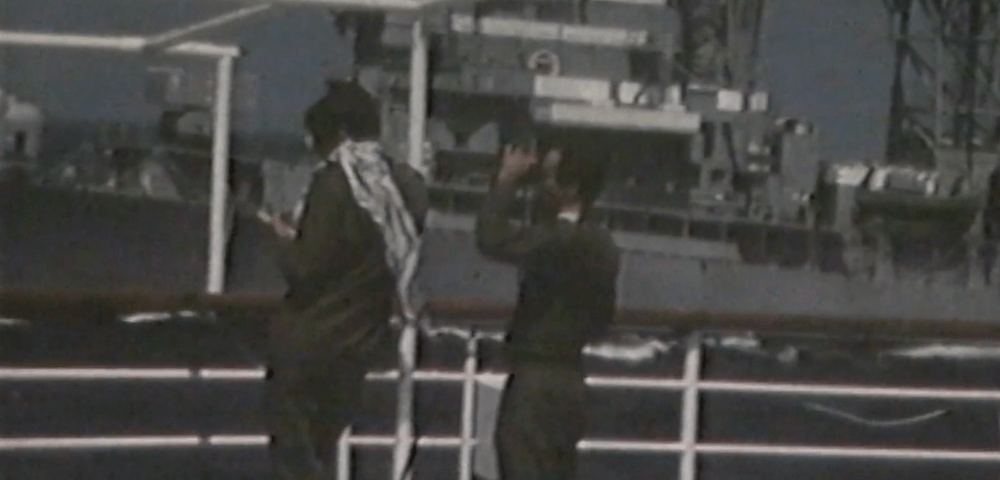
Yolande Zauberman presents an intimate voyage into the history of the Middle East guided by a Lebanese man. From adolescence in a politically active Beirut to departure on Arafat’s ship, Nassib’s story is a testament to what modern times are made of.

“We slept on a terrace in Jaffa, it was summer. I was filming him, he didn’t believe in it at all, we argued, he spoke in order to calm me. I had asked him to tell me specifically about all of his meetings with the Palestinians. It’s from within this chaos that his tale unfolds: the adventures of a man with a complicated identity who goes anywhere, since everyone takes him to be one of their own. We delve into his depths, going beyond that which exceeds us, this story, which causes us to scratch our head for such a long time, becomes clear, we follow him, we take the plunge with him.” – Yolande Zauberman

POEM FOR TRAPPED THINGS
dir. Assia Turquier-Zauberman, 2025
80 mins. United States/France.
In English, and French with English subtitles.

SUNDAY, JUNE 29 – 5PM followed by Q+A with Assia Turquier-Zauberman
ONE NIGHT ONLY!
TICKETS

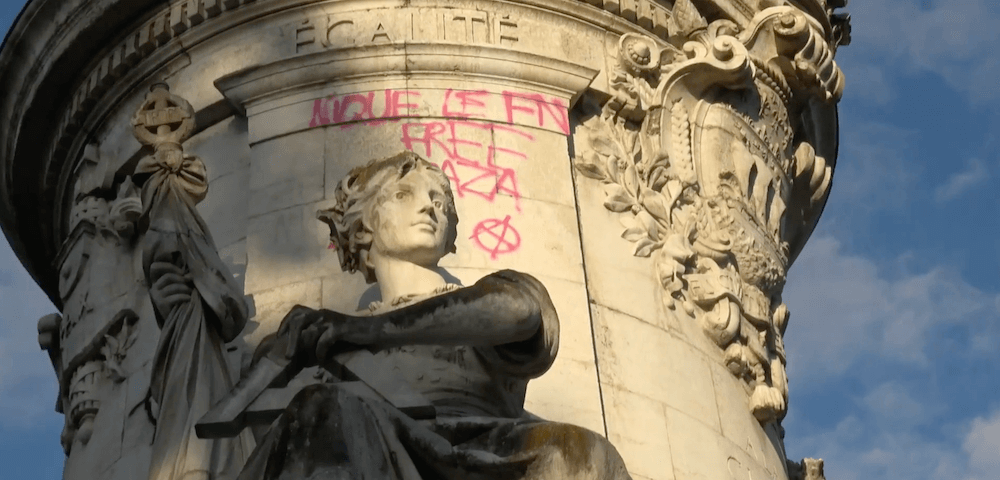
POEM FOR TRAPPED THINGS follows a group of poets and artists in Brooklyn trying to make sense of Israel’s genocidal war on Gaza, reflecting on love (or artmaking) in the face of unfathomable brutality. The filmmaker describes their efforts as both necessary and inadequate.

ASSIA TURQUIER-ZAUBERMAN is a writer, filmmaker and interpreter. Her work spans theology, anthropology, performance. She co-authored a book of conversation with David Graeber, Anarchy—In a Manner of Speaking (2020). POEM FOR TRAPPED THINGS is her first feature length film project.

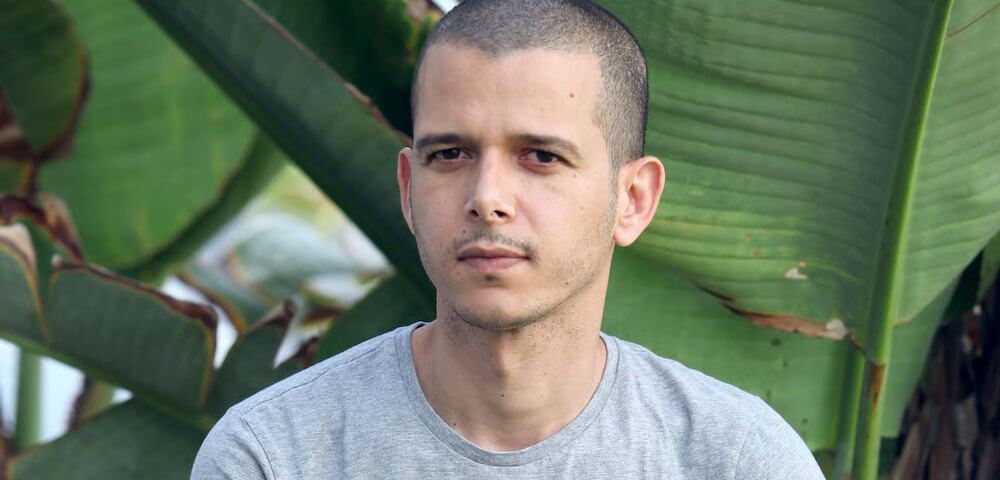
OCEANS, BORDERS, DECADES: ABDELLAH TAIA

Every month is Pride month at Spectacle, but in June 2025 we are nonetheless honored to screen two films by novelist and director Abdellah Taïa, the first openly gay filmmaker from Morocco. This series includes a limited engagement of Taïa’s (as of yet undistributed) new feature CABO NEGRO, plus screenings of his notorious – and still underappreciated – autobiographical drama SALVATION ARMY, made a decade earlier. Taïa will join us for remote Q+As on June 8 (SALVATION ARMY) and June 13 (CABO NEGRO).

“My neuroses are, at some level, what we might call my creativity. But what I produce artistically does not help me in any way in my real life. Nothing is resolved. Everything is complex, complicated. I sincerely believe that there is only love to heal and soothe troubled souls… To me, (books and films) have the same source: the wonderful Egyptian films that I discovered with my family on Moroccan television during my childhood. Everything comes from images. For years, my brain has been structured from images of films I thought and rethought, in a manner at once naïve and serious. I will continue to write books inspired by images — and by my neuroses, of course.”Abdellah Taïa, The New York Times

SALVATION ARMY
(L’ARMEE DE SALUT)
dir. Abdellah Taïa, 2014
France/Morocco. 80 min.
In French and Arabic with English subtitles.

TUESDAY, JUNE 2 – 10 PM
SUNDAY, JUNE 8 – 5 PM followed by Q+A with Abdellah Taïa
WEDNESDAY, JUNE 18 – 7:30 PM
FRIDAY, JUNE 27 – 5 PM

TICKETS / Q+A TICKETS

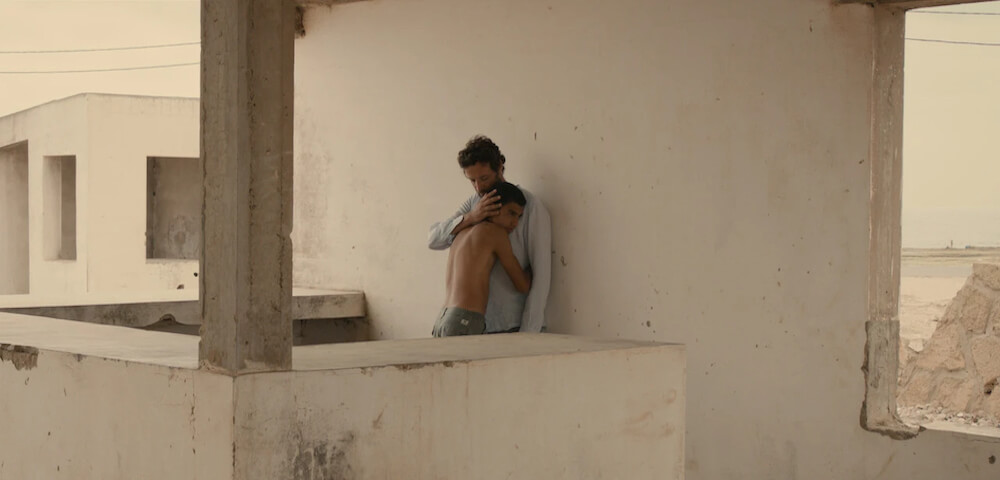
Abdellah is a young gay man navigating the sexual, racial and political climate of Morocco. Growing up in a large family in a working-class neighborhood, Abdellah is caught between a distant father, an authoritarian mother, an older brother whom he adores and a handful of predatory older men, in a society that denies his homosexuality. As a college student, Abdellah moves to Geneva and while faced with the new possibilities of freedom, he grapples with the loss of his homeland.

Adapted directly from Taïa’s eponymous 2009 novel, SALVATION ARMY is a quietly confrontational debut that draws explicitly from the novelist-filmmaker’s experience as trauma survivor and closeted gay man in Morocco. Shot by legendary cinematographer Agnès Godard (with whom Taïa determined to collaborate after seeing her work on Claire Denis’ NENETTE AND BONI), it also measures the consequences of abuse – whether from family or from once-trusted elder role model figures – with a surprisingly restrained style. Taïa’s refusal to sentimentalize or sensationalize makes SALVATION ARMY all the more searing in its muted depiction of a young man’s forbidden coming of age.

“When I was a teenager, any signs of a well-accepted homosexuality were absent from real life and from Arab movies… Homosexuality was constantly associated with mental illness, social shame, a sin. To survive I had to make up my own cultural codes. I had to convince myself I had that right. The exclusion and the solitude were not always easy to bear. Much later, at the age of twenty, I discovered secondary characters who bore some signs of homosexuality in movies by Youssef Chahine, Salah Abou Seif or Yousry Nassrallah. But they were not totally in the light. Something was missing… In the collective Arab mind, there is no homosexual hero.”Abdellah Taïa

CABO NEGRO
dir. Abdellah Taïa, 2024
France/Morocco. 74 min.
In French and Arabic with English subtitles.

THURSDAY, JUNE 5 – 10 PM
FRIDAY, JUNE 13 – 5 PM followed by Q+A with Abdellah Taïa
WEDNESDAY, JUNE 18 – 10 PM
SATURDAY, JUNE 28 – 5 PM

TICKETS / Q+A TICKETS

Ten years and several novels after SALVATION ARMY, Taïa stepped behind the camera again to create a slow-burning drama that similarly engages spectatorship and desire, this time vis-a-vis the tourism industry of the filmmaker’s home country of Morocco. Two queer friends seek refuge at a villa rented by an American academic named Jonathan. After he fails to arrive, the young Moroccans must figure out how to survive without returning home, and Taïa’s sophomore feature enters uneasy thriller territory (while continuing to display the unique combination of tenderness and asceticism that made SALVATION ARMY so startling.) Indeed, Taïa introduced a festival screening of the film by saying “Queer people in Morocco living (or trying to live) a ‘normal’ life is revolutionary, with their food, their cities, and their rituals.”

“The body in Taïa’s work is there to be bartered, but it also has a knack for finding affection even in the most pragmatic, or abusive, of transactions. A sequence in SALVATION ARMY of the child protagonist embracing his so-called abuser, desperate for emotional reciprocity, finds its correlative in CABO NEGRO when Jafaar caresses his client’s salt-and-pepper hair, post-coitus, not unlike one would rub a lamp in order to make a farfetched wish. The encounter is meant to simply guarantee the maintenance of Jaffar and Soundouss’s getaway, but Taïa captures the yearning of the sexual aftermath as an inevitable, and inevitably futile, queer wish for continuity, reciprocity, or recognition.”Diego Semerene, Slant

“This film was inspired by two young gay Moroccans I follow on Instagram. They carry within them the powerful signs of a new, vibrant generation, who live each moment—at all costs—with crazy, inspiring intensity. Incendiary. From the stories they told me, I wrote the script for CABO NEGRO so I might capture that energy, that fire. That urgency. Soundouss and Jaâfar are heroes who no longer wait for change to come; instead, they live life to the fullest and create strong bonds of solidarity between themselves, outside the rules. The film will show these bonds and reveal the mechanisms of the social and political violence that is in process around them. Despite the end of innocence they experience in Cabo Negro, they will be able to rebel. Despite the extreme violence of the world, they will manage to live a love like a river that overflows.”Abdellah Taïa

Special thanks to Marcus Hu and Andrea Picard.

GREEN GOTHIC: THE PACIFIC NORTHWEST CINEMA OF DEVOR AND MUDEDE

This June, Spectacle proudly hosts a trinity of films from polymath filmmakers Robinson Devor and Charles Mudede, both based in the Pacific Northwest. While Devor broke onto the indie scene with his gloriously scrappy 1999 adaptation of pulp novelist Charles Willeford’s THE WOMAN CHASER starring Patrick Warburton, Mudede has chiseled a mountain of idiosyncratic culture criticism (on subjects including but by no means limited to film) alongside hyperlocal reportage with an unapologetic Frankfurt School bent, much of it for Seattle’s iconic alternative weekly The Stranger. If you grew up in Seattle these last 25 years, you’ve probably read Mudede, but opportunities to see his and Devor’s films can be elusive. In advance of the duo’s new documentary SUBURBAN FURY – about Sarah Jane Moore’s 1975 attempt to assassinate Gerald Ford – we are honored to revisit their first two collaborations, POLICE BEAT and ZOO. The films are wildly different despite the fact each riffs directly on real-life events in the Puget Sound area, collapsing the easy remove of dramatic reenactment or durable genre tropes; the series is rounded out by a limited engagement of Mudede’s 2020 directorial debut THIN SKIN. The filmmakers will join us for select Q+As after each film.

Special thanks to Charles Mudede, Robinson Devor and Bayview Entertainment.
POLICE BEAT
dir. Robinson Devor, 2005
United States. 90 min.
In English, and Wolof with English subtitles.

WEDNESDAY, JUNE 4 – 10 PM
SATURDAY, JUNE 14 – 3 PM followed by Q+A with Charles Mudede and Robinson Devor
MONDAY, JUNE 16 – 7:30 PM
SATURDAY, JUNE 28 – MIDNIGHT

TICKETS / Q+A TICKETS

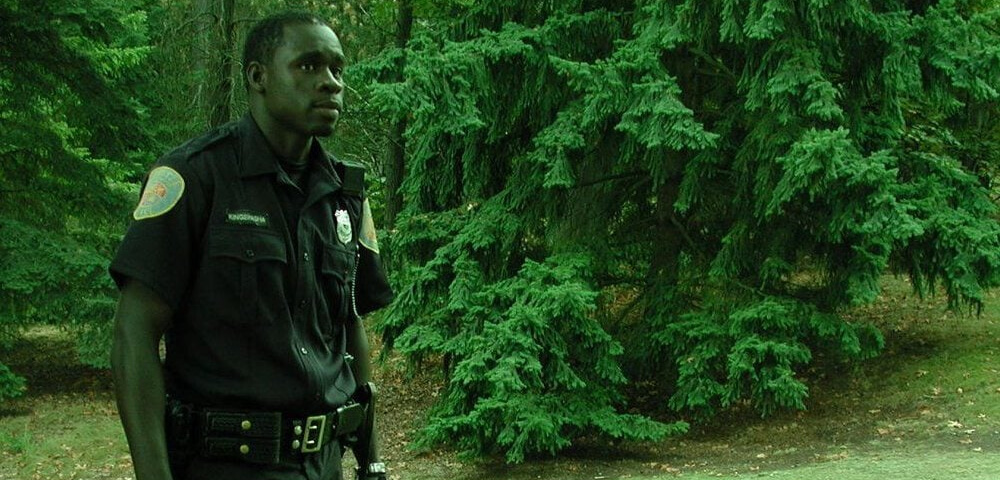
Adapted from Mudede’s eponymous police blotter column in The Stranger, Devor’s second feature follows the misadventures of a West African immigrant-turned-bike cop named Z (played by professional footballer Pape Sidy Niang) in Y2K-era Seattle. After his white girlfriend leaves town on a camping trip with another man, Z experiences a bigger detachment from his alleged calling, hollowing out the high-minded principles of law and order he nevertheless espouses in a voiceover monologue across the film (crucially delivered in his native language of Wolof). The banality of his work leads to an unvarnished, Kafkaesque meditation on Seattle that is starkly beautiful yet also gives face to its bourgeois indifference. This is a major switch-up from the customary Hollywood depiction of the city as a liberated technopolis, and also rebuffs Seattle’s self-image as a progressive melting pot; POLICE BEAT’s fearless depiction of Z’s alienation anticipates what we call inceldom today, as well as the overall atomization of culture that would ramp up in the 2010s and 2020s.

“POLICE BEAT is an object so gorgeously odd, and so completely at peace with its own oddness, it’s hard to compare it to anything else. One could say a kinder, gentler David Lynch, but that skews the emphasis a little too much toward the shock of the otherworldly. Devor steps into Lynchian Americana, but chooses to keep one foot in the real. The result is a deceptively quiet, and completely genuine, thing of beauty.”Chris Chang, Film Comment

“It’s enough of a feat to find genuinely new ways of rendering heartbreak and longing, but POLICE BEAT manages that and more. Gorgeously photographed and startlingly addictive, mesmerizing and mysterious, Robinson Devor’s unlikely-sounding triumph is a sensual immersion into the consciousness of a lovelorn Senegalese-American cop in Seattle.”Nicolas Rapold, New York Sun

ZOO
dir. Robinson Devor, 2007
United States. 80 min.
In English.

FRIDAY, JUNE 6 – MIDNIGHT
MONDAY, JUNE 9 – 7:30 PM
TUESDAY, JUNE 17 – 7:30 PM followed by Q+A with Charles Mudede and Robinson Devor
SATURDAY, JUNE 28 – 10 PM

TICKETS / Q+A TICKETS

In 2005, Kenneth Pinyan, a Boeing engineer in Enumclaw, WA died after suffering injuries from – yes – being penetrated by a horse. After his body was dropped off anonymously at the nearby hospital, the authorities retraced his network of connections to uncover a group (some would even say a community) of Seattle-area men who used the Internet to organize meetups involving farm animals; they called themselves “zoos”, short for zoophiles. The eyebrow-raising story led Washington lawmakers to make bestiality a felony; nobody followed it closer than The Stranger contributor Mudede, who kept on the case throughout 2006 (and beyond), resulting in his groundbreaking journalistic essay The Animal In You.

In telling the movie version of this story, Mudede and Devor sought to meet the subject matter with requisite seriousness. Their attempts to engage Pinyan’s real-life zoophile community were mostly unsuccessful, but three audio interviews with zoos identified only by their online monikers (Pinyan’s was “Mr. Hands”, which is the only way he is referred to in ZOO) form the backbone for the film’s impressionistic reenactment sequences. The filmmakers’ disinterest in true-crime salaciousness is obvious; ZOO demonstrates their shared refusal to sacrifice aesthetic style for ripped-from-the-headlines urgency. As years go by, it’s not hard to understand why ZOO was hotly discussed after its premiere at the 2007 Sundance International Film Festival, nor why it has been largely on the margins since. ZOO is a docufiction hybrid (from before the term became a total cliche) that refuses to compromise: Devor and Mudede take things way beyond the facile punchline of the film’s inciting news story, opting instead to receive their interviewees as human beings, warts and all, resulting in a haunting (and gnarly!) viewing experience.

‘”This topic is not something people want to think about,” Mr. Devor said in an interview at Sundance, summing up both the challenge of marketing the film and the reason he and his writing partner, Charles Mudede, were compelled to make it. Speaking at the premiere Mr. Mudede called ZOO a “thought experiment.” He added, “If someone can go there physically, I can go there mentally… It was fascinating that there was a community of close friends, that there were basic human interactions happening alongside things that seemed completely alien,” Mr. Mudede said.

ZOO minimizes its freak show aspect by emphasizing the coexistence of the mundane and the bizarre, a strategy it shares with the pair’s 2005 Sundance entry, POLICE BEAT, an enigmatic reverie inspired by Mr. Mudede’s crime-blotter column. What emerges here is a sad, even tender portrait of a group of men who met from time to time at a farm, where they would drink slushy cocktails, watch some television and repair to the barn to have sex with horses. The film’s nonzoophile perspective is provided by Jenny Edwards, the founder of a local rescue organization called Hope for Horses, who helped investigate potential animal abuse in the Enumclaw case. “I don’t yet quite know how I feel about that,” she says in the film, referring to the intense feelings that zoophiles claim to have for animals, “but I’m right at the edge of being able to understand it.” ZOO invites the viewer out onto that ledge of near comprehension.’ – Dennis Lim, The New York Times
THIN SKIN
dir. Charles Mudede, 2020
United States. 90 min.
In English.

FRIDAY, JUNE 6 – 10 PM
WEDNESDAY, JUNE 11 – 10 PM
FRIDAY, JUNE 20 – MIDNIGHT
SATURDAY, JUNE 28 – 7:30 PM followed by Q+A with Charles Mudede

TICKETS / Q+A TICKETS

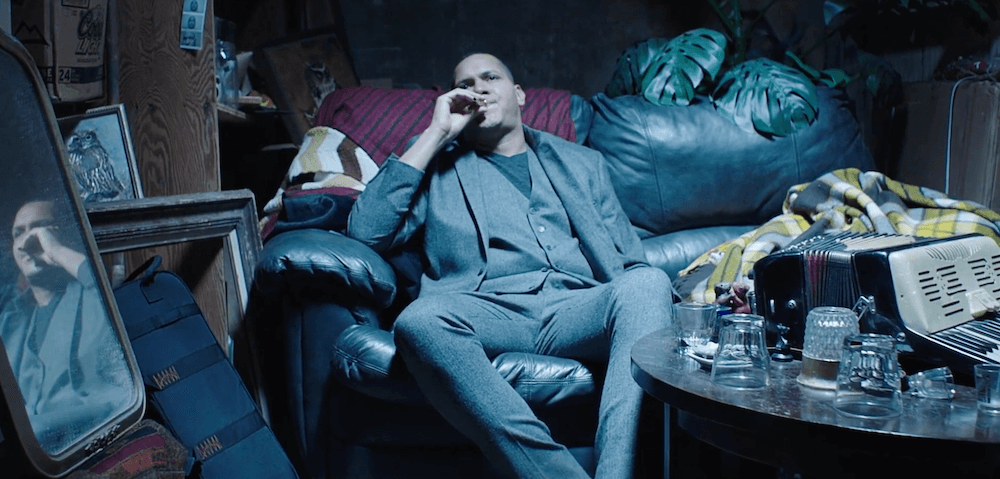
Charles Mudede’s first solo outing as director stars Ahamefule Joe Oluo and their sister Ijeoma Oluo (author of So You Want To Talk About Race) as fictionalized versions of themselves, grappling with the legacy of their long-absent father Nigerian father alongside the interminable fallout from Aham’s recent divorce. Given the drudgery of Aham’s concentration-cubicle office job, it seems his only respite comes from playing trumpet at a small nightclub in South Seattle; THIN SKIN introduces itself as a droll slice-of-life dramedy (ably assisted by Oluo’s friends, the comedians Hari Kondabolu and Dwayne Kennedy) before permutating into something far weirder, closer to a horror film about the real-world consequences of unprocessed family trauma. Writing to Stranger critic Jas Kiemig, Mudede said “A key feature of my film THIN SKIN is that no attempt was made to make it familiar to a person who has not spent some time in, first, Seattle, and, second, the Pacific Northwest. This is the lonely region of America I really love… Its story about Ahamefule Oluo and the ghost of his Nigerian father is also, visually, a story about experiencing this part of the world, which used to not have so many hot days.”

Described by its makers as “a music-infused drama about keeping it together when you’re falling apart”, THIN SKIN’s screenplay credit is shared by Ijeoma, Mudede, and Lindy West, creator of Shrill and one of Mudede’s longtime collaborators at The Stranger. The film as developed off of Oluo’s 2014 experimental opera “Now, I’m Fine” which, itself, went on to perform at theater festivals (including Under the Radar in New York) and was also adapted into the This American Life episode “The Wedding Crasher”. Shot in 2018, THIN SKIN’s intended 2020 release was severely hampered by the COVID-19 pandemic, a setback Mudede et al met with characteristic resourcefulness. We are honored to give it this limited engagement at Spectacle.

“THIN SKIN moves in directions you couldn’t imagine and leaves you contemplating the connections between family, responsibility, and doing what you love… The film was fully shot in South Seattle and features beautiful shots of the city throughout. In one scene, Oluo sits on a bus, as the camera pans outside to a fog-filled South Jackson Street. But this is not an artistic portrait of Seattle; this is a portrait of an artist in Seattle. The city itself isn’t overly romanticized. It feels like an authentic view through the eyes of an artist struggling to balance passion for the arts with the reality of an unfulfilling corporate job.”Mike Davis and Sarah Leibovitz, KUOW

CHARLES TONDERAI MUDEDE is a Zimbabwean-born cultural critic, filmmaker, college lecturer, and writer. He is the Senior Staff writer of the Stranger, a lecturer at Cornish College of the Arts, and has collaborated with the director Robinson Devor on three films, two of which (POLICE BEAT and ZOO) premiered at Sundance, one of which (ZOO) screened at Cannes, and the most recent of which, SUBURBAN FURY, premiered at New York Film Festival. (POLICE BEAT is now part of MOMA’s permanent collection.) Mudede’s essays regularly appear in e-Flux and Tank Magazine.

ROBINSON DEVOR‘s newest feature documentary SUBURBAN FURY debuted at the 2024 New York Film Festival and has gone on to win the Grand Prize for Documentaries at the 2025 Seattle International Film Festival. The film achieved a 100% percent Rotten Tomatoes score, with Variety calling it “a rapt documentary thriller.” Devor’s 2018 feature documentary POW WOW: AN ANTHROPOLOGICAL STUDY OF THE MEMBERS OF THE INDIAN WELLS COUNTRY CLUB debuted at Locarno and then at Lincoln Center/Art of the Real; the film was hailed by New Yorker film critic Richard Brody as “one of the best films of this or any year”, while Slate called the multi-character film “ambitious, surreal and intoxicating”. Named one of Variety’s “10 Directors To Watch” for his directorial debut, Devor premiered THE WOMAN CHASER at The New York Film Festival and then at Sundance. His first short documentary ANGELYNE was a half hour, black and white 16mm film capturing a day in the life of the eponymous LA billboard queen. The Village Voice called it “a visual knockout”.

WHO DO YOU THINK YOU ARE? I AM!: TWO OFFBEAT SPORTS DOCS

Who Do You Think You Are? I Am!

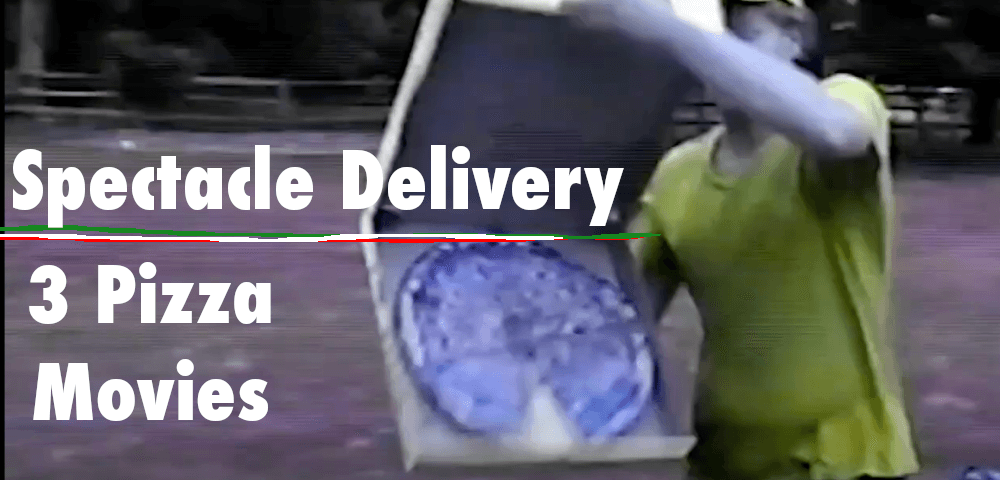
With the weather getting warmer, most New Yorkers begin having olympian delusions of grandeur. Here at Spectacle, we want to celebrate the sprint to Summer by… staying inside and living vicariously through the real life stories of athletes outside the mainstream broadcasts. As our prestigious professional leagues become increasingly enraptured in gambling promotions, these quaint looks into the Professional Bowlers Association or even more micro, a Vermont farmer’s dream to become a dog musher feel like a pep rally against the monetized current state of sports, pushing instead for a pure love of the game.

A LEAGUE OF ORDINARY GENTLEMEN

A LEAGUE OF ORDINARY GENTLEMEN
dir. Christopher Browne, 2004
United States. 93 min.
In English.

TUESDAY, JUNE 3 – 7:30 PM
THURSDAY, JUNE 12 – 10 PM
FRIDAY, JUNE 20 – 10 PM
WEDNESDAY, JUNE 25 – 10 PM

GET TICKETS

Premiering at the SXSW Film Festival in 2004, A LEAGUE OF ORDINARY GENTLEMEN is a sincere exploration of PBA or Professional Bowlers Association and the league’s resurgence in the 21st Century. Chronicling the full 2002-03 PBA Tour Season, the film follows an eccentric bunch of real world characters including the unhinged, unique Pete Weber as he strives to take the MVP title from PBA’s “Deadeye” and most awarded player, Walter Ray Williams Jr. A LEAGUE OF ORDINARY GENTLEMEN uses every trick in the book to showcase bowling as a game that transcends mere birthday parties and work happy hours.

“After a few flourishes of Errol Morris-like editing, first-timer Browne settles into a tone resembling the ESPN telecasts so crucial to the PBA’s revenue stream, thriving on the intrinsic drama of competition and the league’s emerging star system.”
— Joshua Land, Village Voice

Special Thanks to Christopher Browne, Mary Lugo, Neal Block and Magnolia Films.

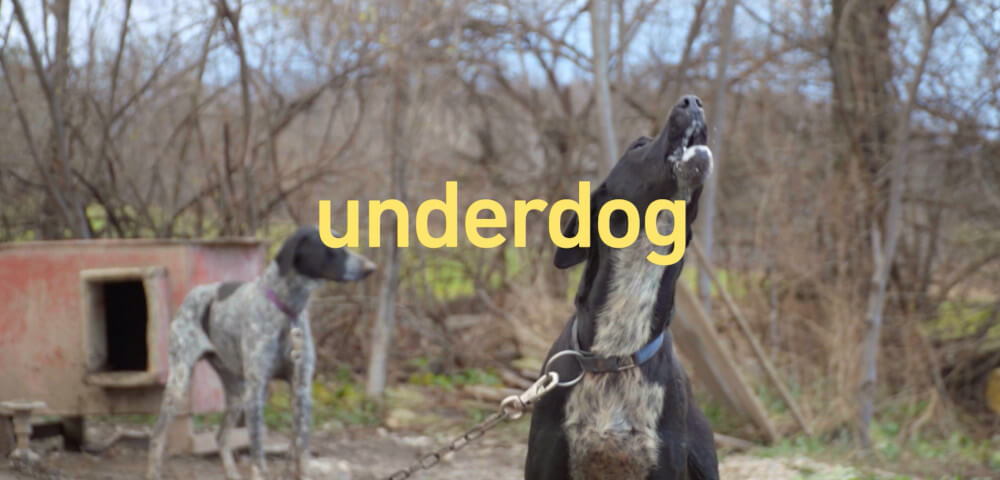
UNDERDOG

UNDERDOG
dir. Tommy Hyde, 2021
United States. 82 min.
In English.

FRIDAY, JUNE 6 – 5 PM
TUESDAY, JUNE 10 – 7:30 PM
THURSDAY, JUNE 19 – 10 PM
WEDNESDAY, JUNE 25 – 7:30 PM

GET TICKETS

VIRTUAL Q&A w/DIRECTOR

The Curiously Optimistic Tale of Doug Butler

An official selection at Slamdance and Camden International Film Festival — UNDERDOG is a loving salute to Doug Butler, a dairy farmer from Vermont willing to do whatever it takes to get up to Alaska to compete in the world famous sled dog race, the Open North American Championships. While the picture boasts plenty of action shots, UNDERDOG makes sure to present Butler as person first, athlete second — come for the dogs racing in snow, stay for the rugged, down to earth character portrait of New England’s fading working class. “You gotta go through Hell to get to Heaven” Featuring One Night Only Q&A with producer Aaron Woolf!

“UNDERDOG succeeds on the empathetic depiction of its subject. Butler’s charmingly garrulous demeanor in the face of dire circumstances is enough to win over one of his creditors, who deems a conference over un-paid bills ‘a great fun call.’ Viewers will likely find that Butler wins them over, too.”
— Hank Nooney, Tallahassee Democrat

Special Thanks to Tommy Hyde and Nice Marmot Films.

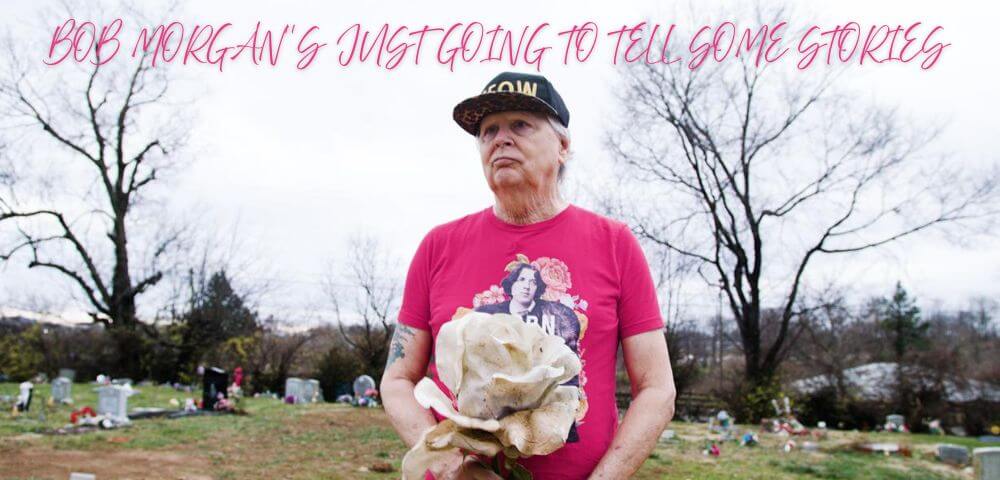
BOB MORGAN’S JUST GOING TO TELL SOME STORIES

BOB MORGAN'S JUST GOING TO TELL SOME STORIES

BOB MORGAN’S JUST GOING TO TELL SOME STORIES
Dirs. Grayson Tyler Johnson & Tom Marksbury, 2024
United States. 86 min.
In English.

THURSDAY, JUNE 5 – 7:30 PM
TUESDAY, JUNE 10 – 10 PM
FRIDAY, JUNE 20 – 7:30 PM (w/Q&A)
THURSDAY, JUNE 26 – 7:30 PM

SPECIAL EVENT TICKETS (6/20)

GENERAL ADMISSION TICKETS

Bob Morgan’s Just Going to Tell Some Stories… about art and garbage, sex and drugs, aids grief, cultural subversion and being an outsider turned community icon.

Meet Bob Morgan, hoarder, collector, assemblage artist, candid photographer, local legend, friend to Lexington icons Henry Faulkner and Sweet Evening Breeze, raconteur, archivist, activist, historian, a builder and chronicler of queer Kentucky, and the most interesting man you’ll meet on the silver screen this June.

In this fascinating documentary profile and winner of the Research Award (given by the jury to a film exhibiting a strong engagement with research) at the 2025 Athens International Film + Video Festival, Bob Morgan invites you into his home to give you his story, and the stories of those lost and found on the way.

Join us at Spectacle for a special screening of the film on June 20th, followed by a Q&A with the film’s co-director Grayson Tyler Johnson.