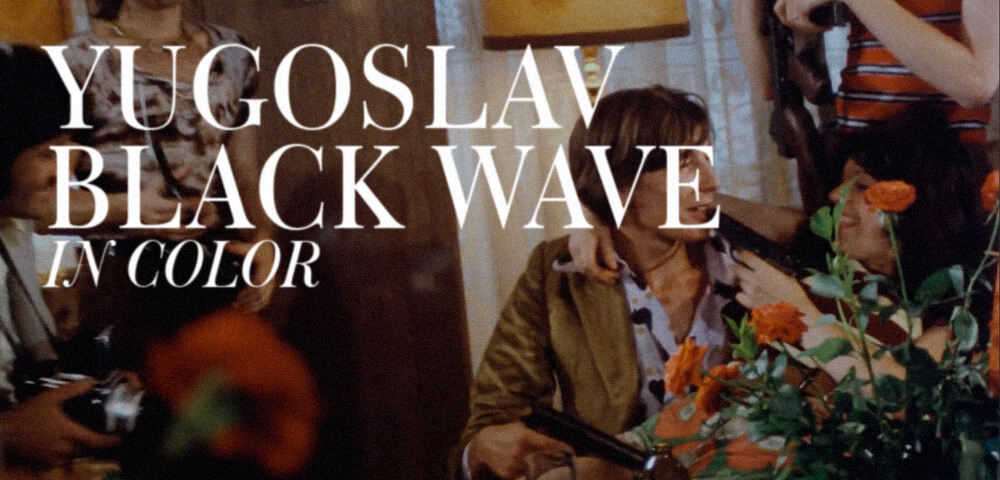
In the early 60s, after Tito’s split with Stalin, a loose trend emerged in Socialist Yugoslav cinema. Disaffected filmmakers, living in the unrealized promise of a post-war utopia, equipped themselves with the tools of their contemporaries on the vanguard across Europe. The humanistic pessimism of the Italian Neorealists, the rebelliousness of the French New Wave, and the absurdity (and not to mention state funding) of the Czechoslovak New Wave found fertile ground in the rapidly urbanizing Yugoslavian landscape. Elements of satire, violence, polemics, sex, liberation, disillusionment, dark humor, and experimental techniques held together this burgeoning movement across genres.
It wasn’t until 1969, in the official newspaper of the League of Communists of Yugoslavia, Borba, that journalist Vladimir Jovičić derisively coined the term “Black Wave.” Jovičić called out “the systematic distortion of the present, in which everything is viewed through a monochromatic lens. Its themes are obscure and present improper visions and images of violence, moral degeneracy, misery, lasciviousness and triviality.” Two months later, a meeting was held among Yugoslav officials to discuss the present, film-induced demoralization, and the censorship began in earnest. Films like W.R.: MYSTERIES OF THE ORGANISM (1971), inarguably the most famous contribution to the Black Wave, and BREAKFAST WITH THE DEVIL (1971), which we’re screening in this series, were banned and sealed for decades. PLASTIC JESUS (1971), even led to the filmmaker’s imprisonment for “spreading enemy propaganda.”
Despite the supposedly “monochromatic lens,” we at Spectacle are pleased to share a selection of Black Wave films entirely in color. The early 70s marked both the end of the movement formally and one of its most productive periods. Shedding some of the severity from the war dramas of the 60’s, the Black Wave films of this era lean into style and cinematic ambition without dulling their political edge.
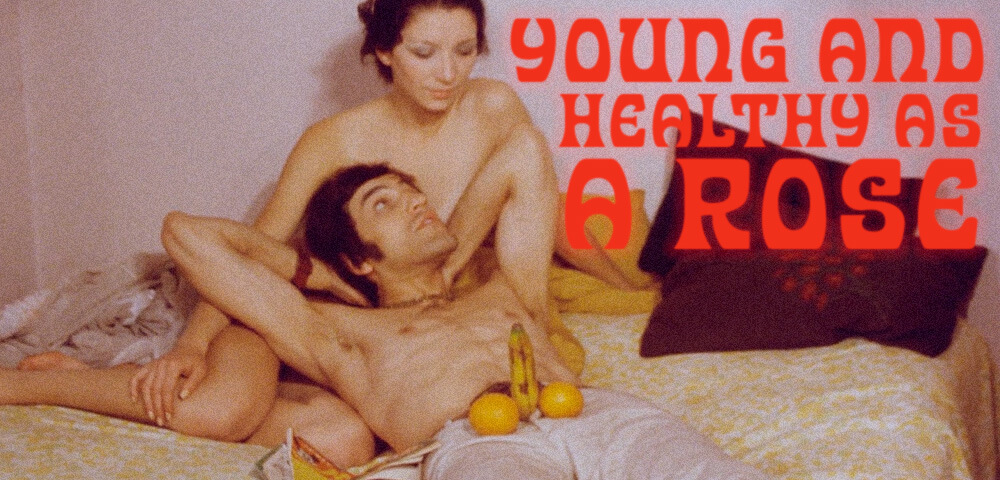
YOUNG AND HEALTHY AS A ROSE
Mlad i zdrav kao ruža
Dir. Jovan Jovanović, 1971
Yugoslavian. 74 min.
In Serbo-Croatian with English subtitles.
WEDNESDAY, DECEMBER 3 – 10 PM
WEDNESDAY, DECEMBER 10 – 10 PM
MONDAY, DECEMBER 15 – 7:30 PM
FRIDAY, DECEMBER 19 – 7:30 PM
A young man who bears an uncanny resemblance to Vincent Gallow brazenly steals, kills, and fucks his way across Belgrade as he makes a name for himself in the criminal underground. Before long, he catches the attention of both competitors and the authorities. Stiv, the rebellious youth of titular vigor, finds himself the unlikely spokesperson of a disaffected generation and an outspoken critic of Tito.
One of the clearest examples of the French New Wave’s influence on Yugoslav Black Wave, viewers will notice more than a touch of Godard, especially BREATHLESS (1960) and WEEKEND (1967). Although not officially banned, it was not shown for 35 years after its initial release due to its anti-establishment content.
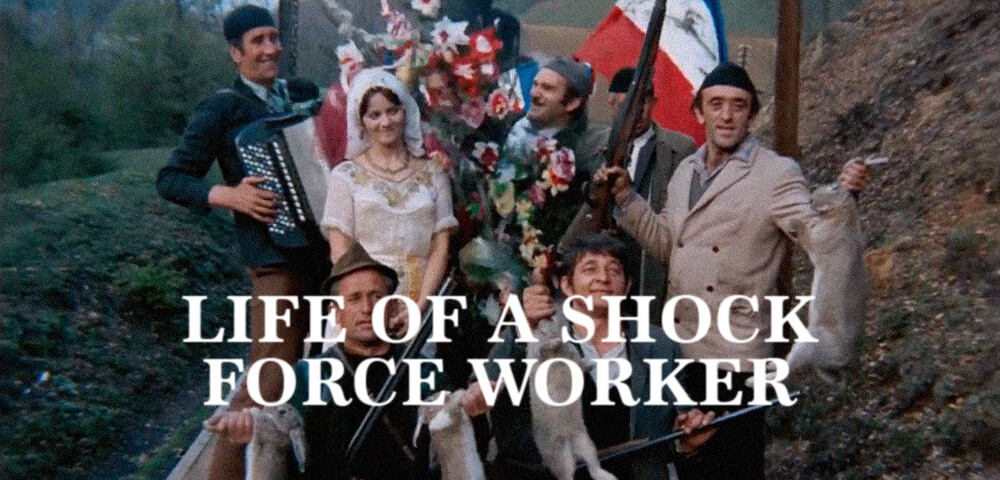
LIFE OF A SHOCK FORCE WORKER
Slike iz života udarnika
Dir. Bahrudin ‘Bata’ Čengić, 1972
Yugoslavian. 75 min.
In Serbo-Croatian with English subtitles.
FRIDAY, DECEMBER 5 – 7:30 PM
SATURDAY, DECEMBER 6 – 10 PM
THURSDAY, DECEMBER 18 – 7:30 PM
Adem, a Bosniak miner, is the exemplar of labor in his small town before the split between Tito and Stalin. Always going above and beyond the call of duty, Adem earns the title of udarnik (shock force worker) – a worker who has been elevated to the status of national hero. With his new status, his identity is bisected. At the same time a small town worker and national icon, family man and appendage of the state. His loyalties are tested while the countryside struggles to urbanize in accordance with Tito’s agenda, and never without a healthy dose of humor.
Beautifully shot by Karpo Aćimović Godina and restored under his direct supervision, LIFE OF A SHOCK FORCE WORKER is singular among its contemporaries in its beauty. Every composition is spellbinding from the mountains to the mines.
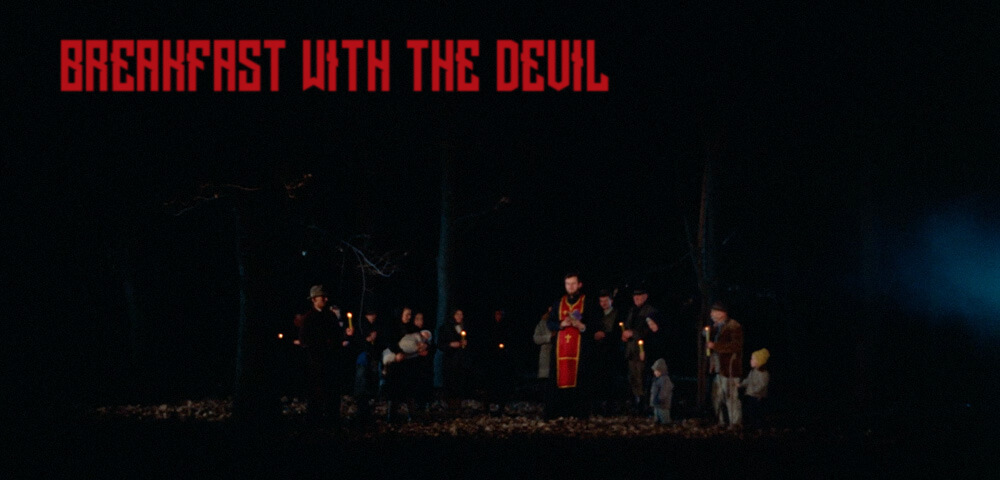
BREAKFAST WITH THE DEVIL
Doručak sa ðavolom
Dir. Miroslav Antić, 1971
Yugoslavian. 84 min.
In Serbo-Croatian with English subtitles.
TUESDAY, DECEMBER 2 – 7:30 PM
MONDAY, DECEMBER 8 – 7:30 PM
SATURDAY, DECEMBER 13 – 10 PM
SATURDAY, DECEMBER 20 – 10 PM
In the shadow of wartime, a flood threatens a small Serbian village while Communist authorities sent from the city make impossible demands on the villagers. Parallel stories unfold across the village as families quarrel and comrades suffer, while under the muck and mire, love blooms.
With an incredible score and stand-out performance from Serbian icon, Velimir “Bata” Živojnović, BREAKFAST WITH THE DEVIL looks back at the early days of Socialist Yugoslavia and the people left to pick up the pieces after the war. The second and last film by poet turned filmmaker, Miroslac Antić, was banned by the state until 1990.