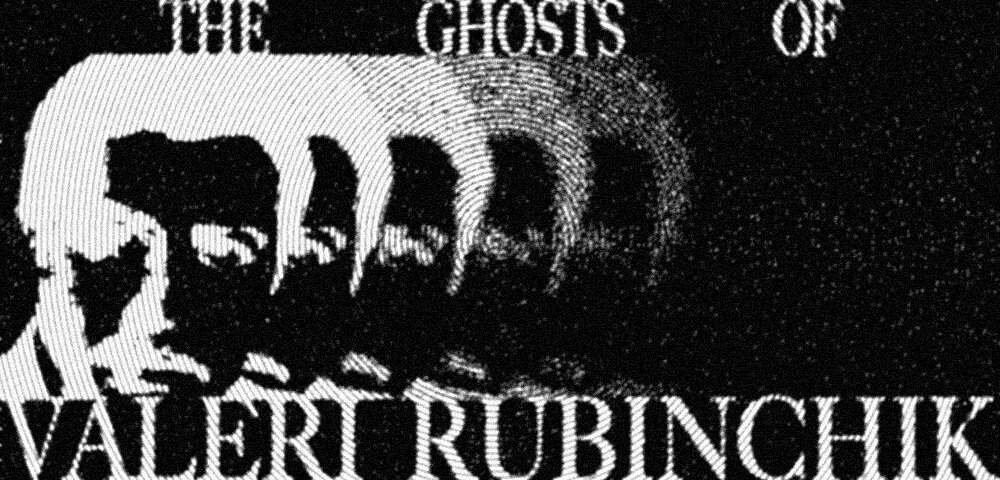
This July, Spectacle invites you to experience two films from Valeri Rubinchik in all their gothic glory. A Belarusian director from the twilight years of the USSR, Rubinchik was an exemplar of the more lyrical Soviet counterargument to Hollywood blockbuster films. This is likely the reason that his films have until recently gone largely unseen since their initial release. The two films presented, THE SAVAGE HUNT OF KING STAKH and THE APOSTATE, showcase Rubinchik’s mastery over atmosphere and the psyche. Weaving together massive tableaus, complex camera work, and nonlinear editing, Rubinchik’s two films offer a fresh look at horror and sci-fi from behind the iron curtain.
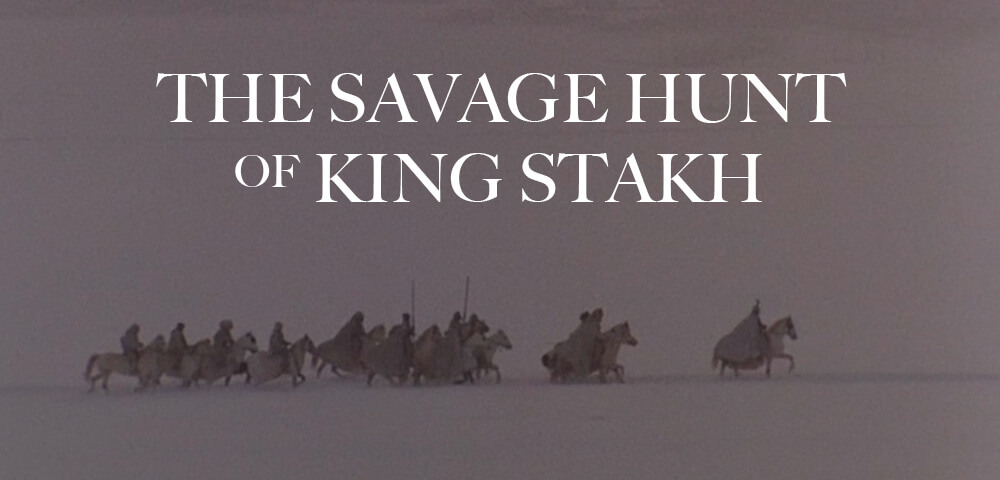
THE SAVAGE HUNT OF KING STAKH
Dir. Valeri Rubinchik, 1980
Belarus. 134 min.
SUNDAY, JULY 6 – 5 PM
MONDAY, JULY 14 – 7:30 PM
WEDNESDAY, JULY 23 – 7:30 PM
THURSDAY, JULY 31 – 7:30 PM
This is a horrible, damned house.
Welcome to Marsh Firs, the gothic mansion at the center of a bloody folktale that a young ethnographer has come to collect. Shortly after his arrival, the erudite skeptic finds himself an unwitting witness to the Wild Hunt, a trope common in Eastern European folklore, lead by the ghost of a vengeful nobleman killed at the mansion while there as a guest hundreds of years prior. But the Wild Hunt may be the least of his worries during his stay with the estate’s unstable mistress who unveils more about her family’s past and the menagerie of ghosts that haunt them.
A rare contribution to the horror genre from Soviet cinema, THE SAVAGE HUNT OF KING STAKH was recently restored by Deaf Crocodile in 2023. Leave your jump-scares at home and settle in for the horrors of paranoia and psychological torture.
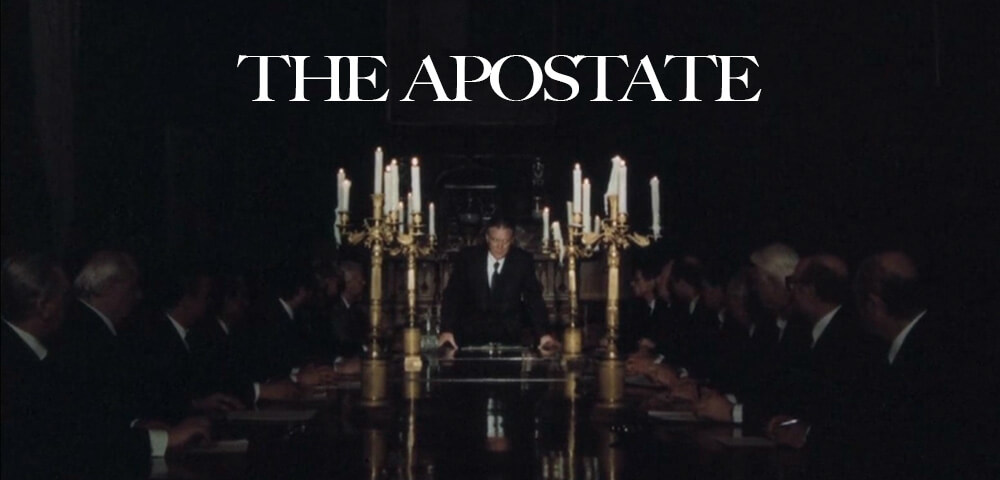
THE APOSTATE
Dir. Valeri Rubinchik, 1987
Belarus. 163 min.
SUNDAY, JULY 6 – 7:00 PM
THURSDAY, JULY 17 – 7:00 PM
MONDAY, JULY 21 – 7:00 PM
A scientist develops a method to clone living material. Before long, the government steps in to weaponize this discovery for their own gain. Five genetically identical presidents later, the implications of such technology have already spiraled out of control. Arguing with yourself, facing your own mortality, and questioning who you are have rarely been more literal.
It’s easy to see THE APOSTATE as a commentary on a country at odds with itself, a fracturing of identity, in the wake of the recent relaxations from perestroika two years prior. Rubinchik’s vision of the future isn’t exactly optimistic. A sense of doom, a mood suffused throughout Rubinchik’s late works, hangs over the film as earthquakes shake interiors, sea levels rise, and horse and carriages ride past imposing brutalist architecture.