ÔRÍ

ÔRÍ
dir. Raquel Gerber, 1989
Brazil, 93 min
In Portuguese with english subtitles

TUESDAY, FEBRUARY 3 — 7:30 PM
FRIDAY, FEBRUARY 13 — 7:30 PM
FRIDAY, FEBRUARY 20 — 10 PM
SUNDAY, FEBRUARY 22 — 5 PM

ÔRÍ means “Head” in the Yoruba language. 

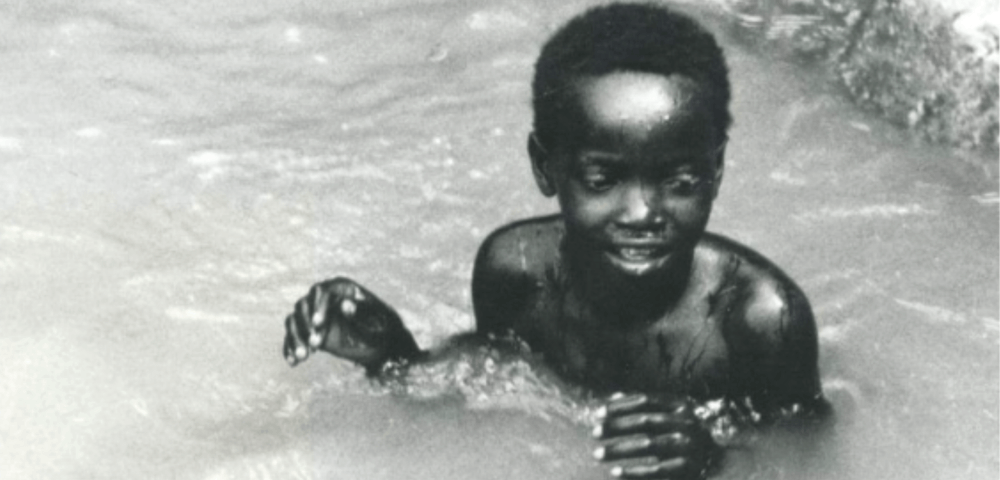
Filmmaker, sociologist, and historian Raquel Gerber started filming ÔRÍ in 1977 with photographer Jorge Bodanzky, and later continued working with important cinematographers such as Hermano Penna, Pedro Farkas, and Adrian Cooper. The film centers on the organization of Black Movements in Brazil throughout the ‘70s and ‘80s and follows the development of Black consciousness among activists of that period. It also presents internationally for the first time, the work of the historian and activist Beatriz Nascimento, whose research on the historiography of the “Quilombos” marked a radical intervention upon Brazilian history, positioning it as the historical identity of Black Brazilians.

After an 11-year production and commemorative screenings across Brazil, ÔRÍ was presented in 1989/1990 at 17 international events and festivals across the globe. It earned multiple awards in the process, including the Paul Robeson Prize of the Diaspora (11th Pan-African Film Festival of Ouagadougou), the Côte d’Azur Man and Nature Award (5th International Film Festival of Tróia, Portugal), the Special Jury Prize (1st Texaco Brazilian Film Festival in Curitiba), an Honorable Mention for Documentary at the Prized Pieces ’89 of the National Black Programming Consortium in Columbus, Ohio (USA), and the Golden Gate Award in its category at the 33rd San Francisco International Film Festival. ÔRÍ remains an essential film about Black Brazilians, political organization, and spirituality; for these, and many more reasons, it is our absolute honor to showcase it for this rare set of screenings here in New York City.

As Raquel Gerber has stressed, much of what is shown and articulated in her film is still relevant:

“The central issues it raises are still to be discussed: overcoming the racial question through the challenge of planetary survival, and the Black question within the broader national question—emerging themes in Europe, Africa, and the Americas through the struggles for ethnic and national independence taking place in many countries around the world.”

Special thanks to Raquel Gerber.

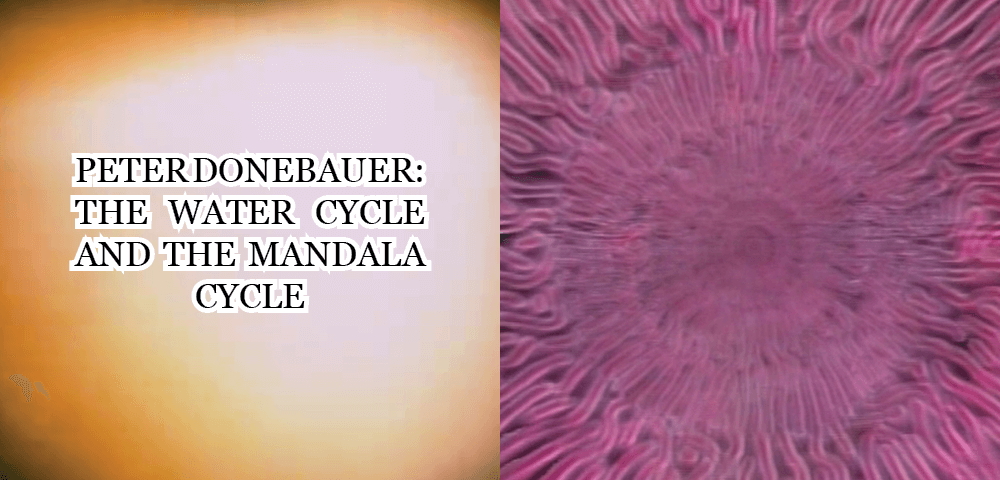
PETER DONEBAUER: THE WATER CYCLE AND THE MANDALA CYCLE

The Water Cycle and The Mandala Cycle

A pioneering video artist, Peter Donebauer has made artworks that combine an improvisational spirit with calculated scientific know-how. In 1974, he became the first artist whose video-work was commissioned and broadcast nationally by the BBC in the United Kingdom. That piece was “Entering” and it was part of The Creation Cycle, which Donebauer and his musical collaborator Simon Desorgher tinkered with over five years. The structure of the cycle is one Donebauer would return to twice more in his career, and it is our honor to host these rare cycles this November.

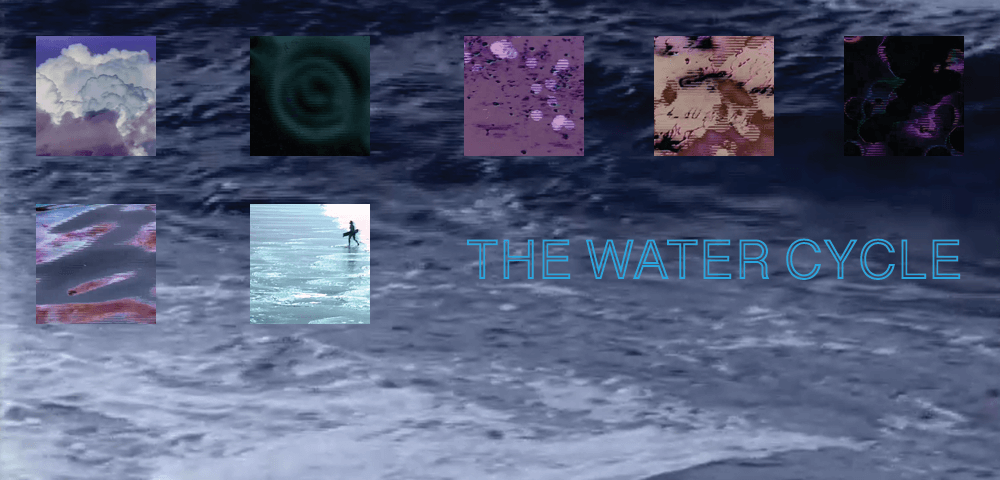
Donebauer was commissioned to make The Water Cycle under the aegis of Thorn-EMI, who intended to distribute the video as the first concept album on the then new JVC laser disc format. He teamed up with musicians Mike Ratledge and Karl Jenkins (formerly of Soft Machine) on the soundtrack, and the result is a spellbinding, seven-part video-meditation on the eponymous natural cycle. Unfortunately, the videodisc system didn’t sell in Japan and never even made it to the British market, leaving The Water Cycle in limbo. Nevertheless, the spirit of the project lived on in future “pop promos” (music videos) and the video can now be seen in full in our theater for one-night only.

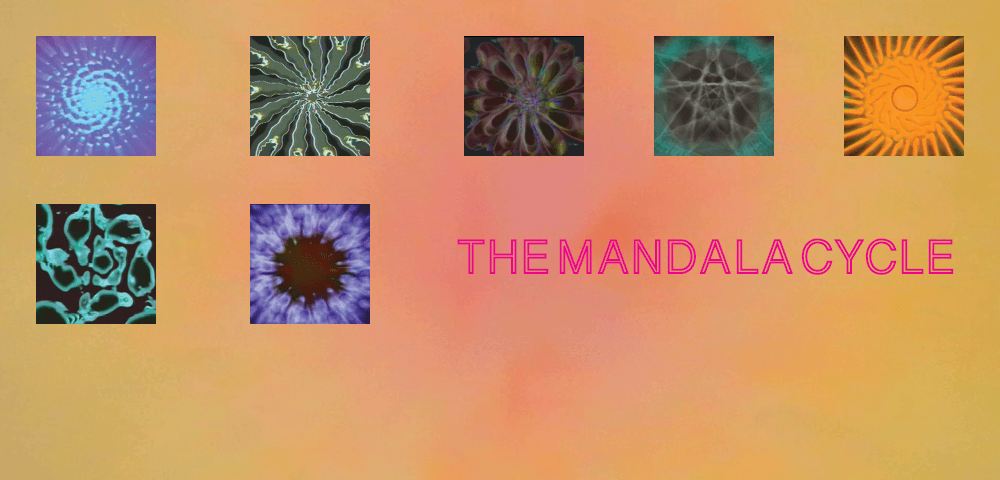
Another 10 years went by before Donebauer made The Mandala Cycle, another seven-part video that toyed with order and chaos to create a spiritual experience in moving image form. The video, as its title suggests, revolved around mandalas — circular images that are used in meditation and symbolize the unity of creation in traditional eastern philosophies. In video-form, Donebauer moves across several mandalas, designing a riveting, metamorphosing experience meant to stimulate a “centering” of consciousness. Unlike his previous cycles, Donebauer opted to first record all of the imagery in the film and then digitally manipulate it, creating variations through feedback that maintain the seamless magic of his previous experiments.


THE WATER CYCLE
dir. Peter Donebauer, 1981
United Kingdom. 47 min.

THURSDAY, NOVEMBER 13 – 7:30 PM

TICKETS

Peter Donebauer’s The Water Cycle was commissioned by Thorn-EMI as a concept album for their brand new JVC laser disc player. With music from Mike Ratledge and Karl Jenkins (of Soft Machine fame), the video moves through the several states of the eponymous cycle — Sea, Evaporation, Condensation, Precipitation, Seepage, Run-Off, Sea. As in much of Donebauer’s videos, shifting streams of color and amoeba-like figures coalesce into a meditative, spiritual experience.

THE MANDALA CYCLE
dir. Peter Donebauer, 1991
United Kingdom. 40 min.

FRIDAY, NOVEMBER 14 – 7:30 PM

TICKETS

Peter Donebauer’s most recent cycle to date revolves around the symbol of the mandala, and is designed to stimulate a “centering” of consciousness. Working with predetermined imagery, Donebauer subjected each part of his cycle to a myriad of technological interventions, resulting in a video that fluidly transforms before the viewer’s eyes. The video proved so relaxing that it became popular among ravers in London, who’d often watch it during the come-down of a long night out.

Special thanks to Peter Donebauer.

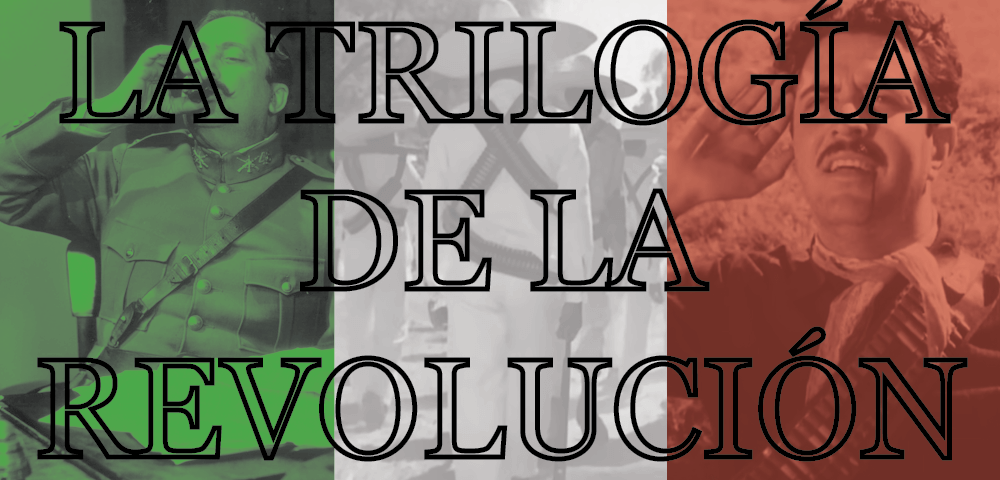
MEXICAN REVOLUTION TRILOGY

Trilogía de la Revolución
(The Revolution Trilogy)

For all intents and purposes, Fernando de Fuentes is Mexican cinema. A pioneering studio filmmaker whose work includes one of the earliest examples of the ranchera comedy, as well as the seminal gothic horror film The Phantom of the Monastery, de Fuentes is a fountainhead of Mexican cinema. Not only did he inaugurate numerous popular genres at the domestic box office, but earned Mexico its first major international award at the Venice Film Festival in 1938, in addition to ushering in a national visual language that proliferated during the peak of Mexico’s Golden Age of Cinema.

Born in Veracruz in 1894, de Fuentes studied Philosophy at Tulane University and spent some time working at the Mexican Embassy in Washington, D.C. before returning to post-Revolution Mexico. In 1933, a mere decade after the end of the Mexican Revolution, he directed EL PRISIONERO 13, a satire so caustic its ending had to be re-edited after military authorities objected to its depiction of government corruption in the throes of Mexico’s long and bloody Revolutionary War. What followed were two more films, GODFATHER MENDOZA (1934) and LET’S GO WITH PANCHO VILLA! (1936), of equal ire and bite. His Revolution Trilogy, though controversial upon release, is now acknowledged as a cornerstone of classic Mexican cinema.

As Mexicans everywhere remember their nation’s Revolution this September 20, we’re proud to present de Fuentes’ landmark trilogy in New York City for the first time in 15 years.

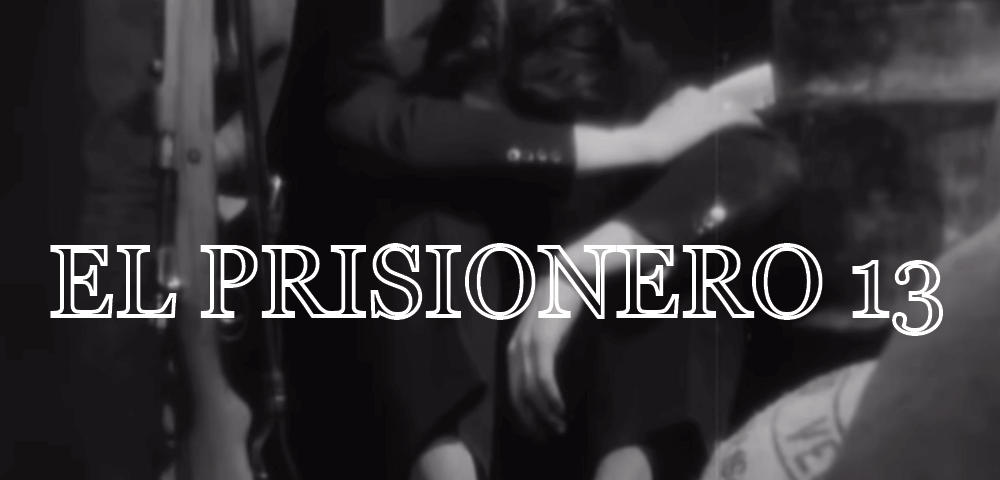
EL PRISIONERO 13
(PRISONER 13)
dir. Fernando de Fuentes, 1933
México, 76 min
In Spanish with english subtitles

MONDAY, SEPTEMBER 1 – 7:30 PM
SATURDAY, SEPTEMBER 6 – 5 PM
TUESDAY, SEPTEMBER 16 – 7:30 PM
MONDAY, SEPTEMBER 22 – 10 PM

GET YOUR TICKETS!

Fernando de Fuentes’s first installment in his Revolution Trilogy concerns a drunk colonel (Chilean actor Alfredo del Diestro, in one of several wonderfully agonizing roles for de Fuentes) who takes a bribe that ends up biting him in the back. At a lean 76 minutes, de Fuentes’s scathing parable about the price of corruption folds multiple moral dilemmas into a masterclass of melodrama. Del Diestra’s Colonel Carrasco, typifying the naked corruption that seized Mexico in the wake of its revolutionary fervor, provides the Mexican silver screen with one of its slimiest and most memorable characters. With its taut editing, chilling narrative, and distinctive performances, EL PRISIONERO 13 sets the bar high for a filmmaker whose career is full of precise and potent visual storytelling.

EL COMPADRE MENDOZA
(GODFATHER MENDOZA)
dir. Fernando de Fuentes, 1934
Mexico, 85 min
In Spanish with english subtitles

WEDNESDAY, SEPTEMBER 3 – 7:30 PM
SUNDAY, SEPTEMBER 7 – 7:30 PM
WEDNESDAY, SEPTEMBER 17 – 7:30 PM
TUESDAY, SEPTEMBER 23 – 10 PM

GET YOUR TICKETS!

The second installment in Fernando de Fuentes’s Revolution Trilogy revolves around Rosalio Mendoza (Alfredo del Diestro, in a weary-eyed performance), a rich landowner whose estate serves both Zapatista revolutionaries and Huertista army men. A rich parable about Janus-faced desperation, EL COMPADRE MENDOZA sees Fuentes double down on his critique of government corruption. The country setting also lets him build upon his cinematic technique, making ample use of landscapes and crowds, as well as optical effects and music, to heighten the drama on the screen.

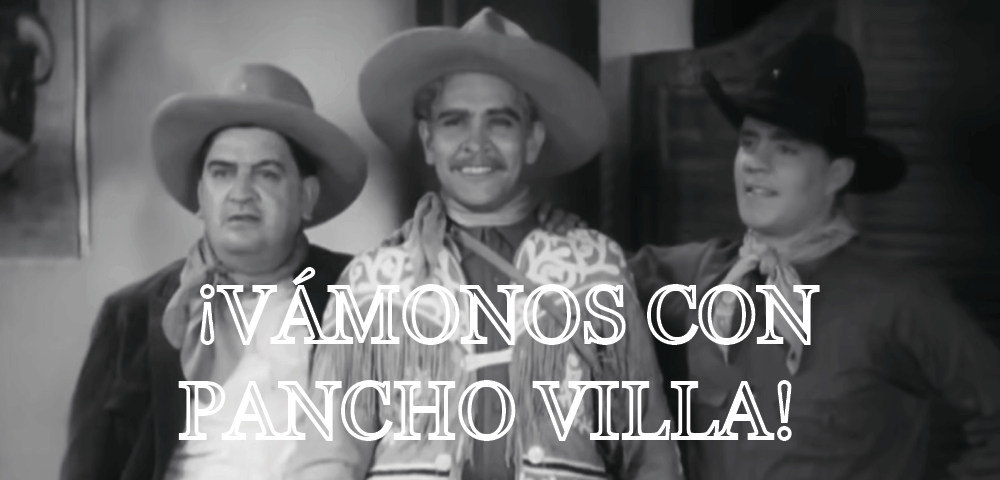
¡VÁMONOS CON PANCHO VILLA!
(LET’S GO WITH PANCHO VILLA!)
dir. Fernando de Fuentes, 1936
Mexico, 92 min
In Spanish with english subtitles

THURSDAY, SEPTEMBER 4 – 7:30 PM
MONDAY, SEPTEMBER 8 – 7:30 PM
FRIDAY, SEPTEMBER 19 – 5 PM
WEDNESDAY, SEPTEMBER 24 – 10 PM

GET YOUR TICKETS!

The last chapter in Fernando de Fuentes’s Revolution Trilogy follows the “Lions of San Pablo,” six brave men who join Pancho Villa’s Army. Where Fuentes’ previous two films focus on the rotten rituals of Mexico’s old guard (its government functionaries and rich landowners), ¡VÁMONOS CON PANCHO VILLA! skewers the false promises of its revolutionary class. An early epic of Mexican cinema, de Fuentes’s film shows the Revolution as it was, as no more and no less than a bloody conflict.

Special thanks to ACERVO-FILMOTECA UNAM.

LAS MUJERES DEL PUERTO

Her father dies… her fiance dumps her… and she can’t find a job… so she covers the waterfront. And then one night…

French writer Guy de Maupassant’s short story “The Port” first landed on the Mexican silver-screen in 1934, courtesy of Russian exile Arkady Boytler and his directing buddy Raphael J. Sevilla. This classic tale of twisted faith has since been adapted thrice over — although, we’ll leave Luis Quintanilla’s TV-adaptation for another summer — and become a cornerstone of Mexican cinema, its tale of mixed identities reflecting the status of a nation confused about its own.

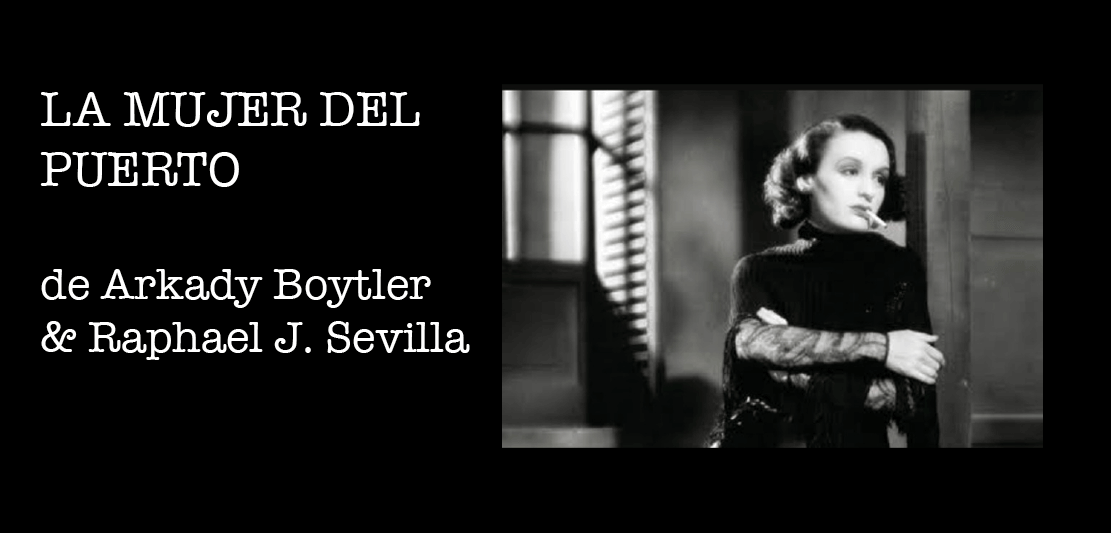
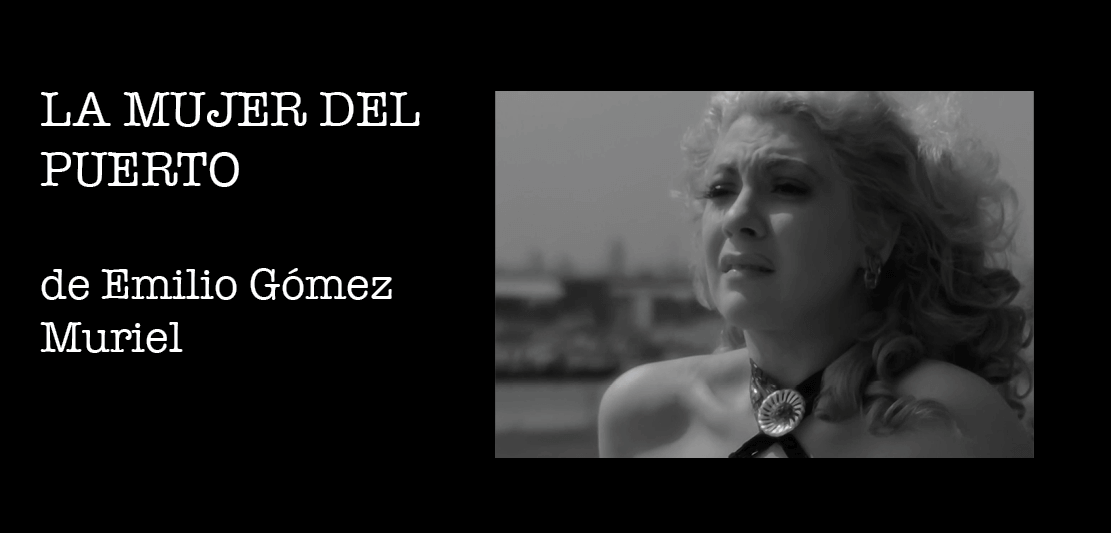
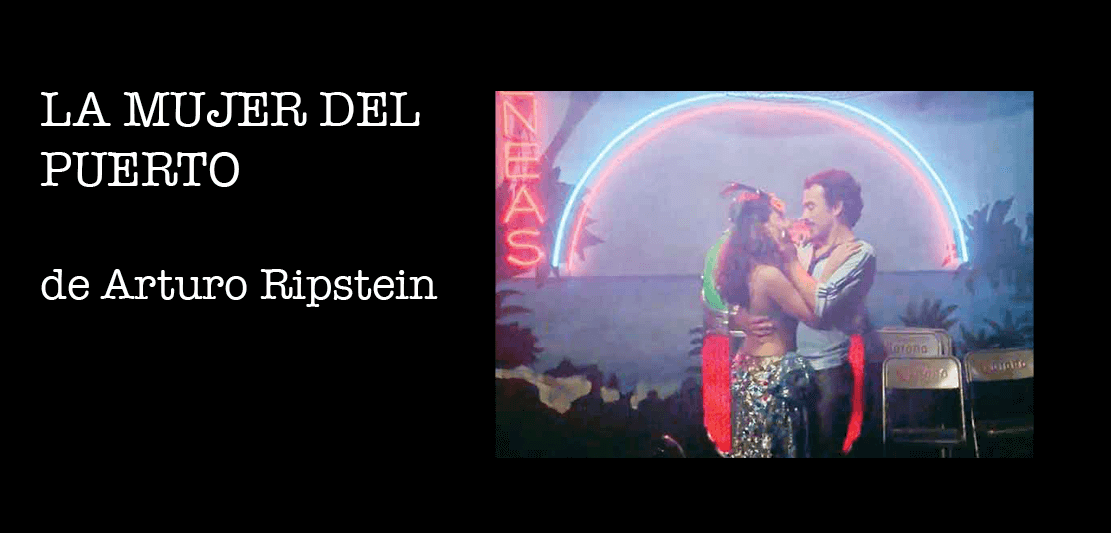
Now heralded as a classic of Latin American cinema, Boytler and Sevilla’s grim and pointed THE WOMAN OF THE PORT (1934) sets the standard high for all future filmmakers looking to adapt this powerful short story. Set in the docks of Veracruz, THE WOMAN OF THE PORT follows a woman frowned upon by fate, forced into squalor, and made to make a name for herself in infamy. In 1949, Emilio Gómez Muriel tried his hand at the story with an adaptation starring rumbera Maria Antonieta Pons. This version of THE WOMAN OF THE PORT (1949) flips the chronology of the first on its head, setting up a narrative parabola that moves from grime to good to ghastly. It’d take about 40 years for another filmmaker to throw his name in the hat and in 1991, former Luis Buñuel assistant director Arturo Ripstein put forth his own spin on the story: a Rashomon–style vision of despair anchored in a quartet of wonderful performances.

Content warning: These films contain depictions of physical violence, sexual assault, and self-harm.


La mujer del puerto
(The Woman of the Port)
dir. Arkady Boytler & Raphael J. Sevilla, 1934
In Spanish with english subtitles

MONDAY, AUGUST 4 – 7:30 PM
FRIDAY, AUGUST 29 – 5 PM

GET TICKETS!

Arkady Boytler and Raphael J. Sevilla’s THE WOMAN OF THE PORT harbors a curious convergence of artistic currents. Boytler, a former star of the Russian screen who was friendly with Sergei Eisenstein, brought with him a flair for melodrama that gelled perfectly with the wild expressionism of Mexican cinema in the ’30s. What the screen offers is a noir cast in lovelessness, anticipating the grandiose melodramas that further defined Mexico’s Golden Age of Cinema soon after. Bleak, but beautiful, Boytler and Sevilla’s film prefaces an entire history of Mexican cinema; in its shadows, a permeable and unspoken solemnity; in its faces, a bubbling of emotion; in its music, a sad and truthful history.
La mujer del puerto
(The Woman of the Port)
dir. Emilio Gómez Muriel, 1949
In Spanish with english subtitles


THURSDAY, AUGUST 7 – 7:30 PM

GET TICKETS!

Best known for co-directing the landmark REDES (1936) — about a fishermens’ revolt — with Fred Zinnemann, Emilio Gómez Muriel was a prolific studio director whose career started in the late ’30s and ran up until the ’70s. He directed everything from social realist dramas to swashbucklers and Blue Demon wrestling flicks, working with starlets like María Felix, Miroslava, and Maria Antonieta Pons. It’s the latter that takes on the role of the titular Woman, a night dancer and crooner who has developed a propensity for alcohol in light of the darts destiny has thrown her.
La mujer del puerto
(The Woman of the Port)
dir. Arturo Ripstein 1991
In Spanish with english subtitles

MONDAY, AUGUST 18 – 7:30 PM
SATURDAY, AUGUST 30 – 7:30 PM

Get tickets!

Leave it to Arturo Ripstein, enfant terrible of Mexican cinema for fifty years and counting, to make one of its most tawdry tales even more depraved. Split into four chapters, each chronicling the film’s doomed romance from a different perspective, Ripstein’s THE WOMAN OF THE PORT extends his source material’s central wickedness to its extreme, as though taunting viewers with an embodied vision of the Mexico they fear from morbid and shocking news reports worldwide. An incendiary film, as only Ripstein can make them, this most recent adaptation of Mexican cinema’s most intriguing and unpleasant myth foreshadows the squalor Ripstein would continue to burrow himself as a filmmaker while making an opus of what was once a simple expat’s attempt at adapting de Maupassant.

Special thanks to ACERVO-FILMOTECA UNAM, Alebrije Cine y Video, Jesse Trussell, Mónica Lozano, Chloe Roddick, and IMCINE.


THE TIJUANA TRILOGY

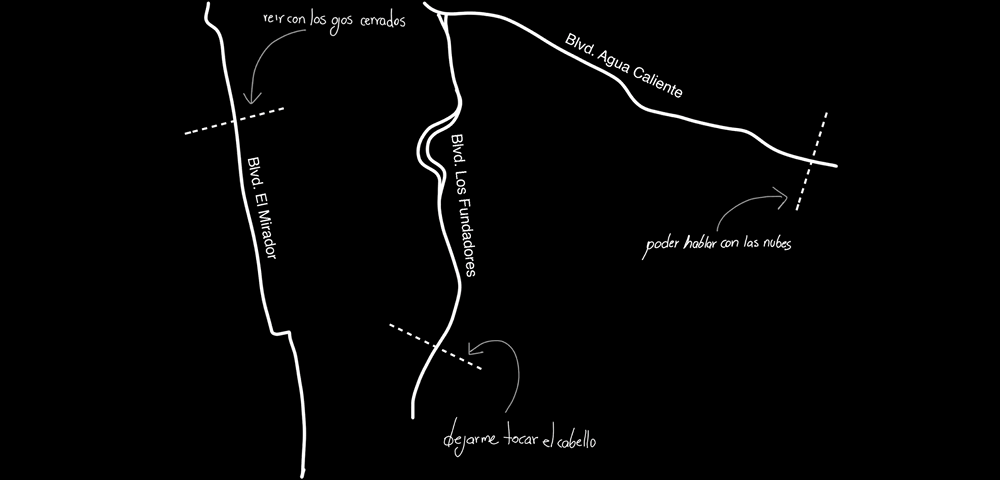
This May, Spectacle presents three recent feature films (plus one short) by the Tijuana-based filmmaker Diego Hernández. Starting in 2021, Hernández began to release a series of short, low-budget features that explore Tijuana’s many idiosyncrasies from a personal perspective. His approach to filmmaking — unhurried and spontaneous — combines a documentary approach to filming micro-communities with a frank specificity that reveals an adept understanding of form and style. This recent trilogy of breezy but perceptive films offer an intimate glimpse at previously unseen facets of the Mexican border-city and zero in on the lives of student protestors, carpenters, and theater actors.

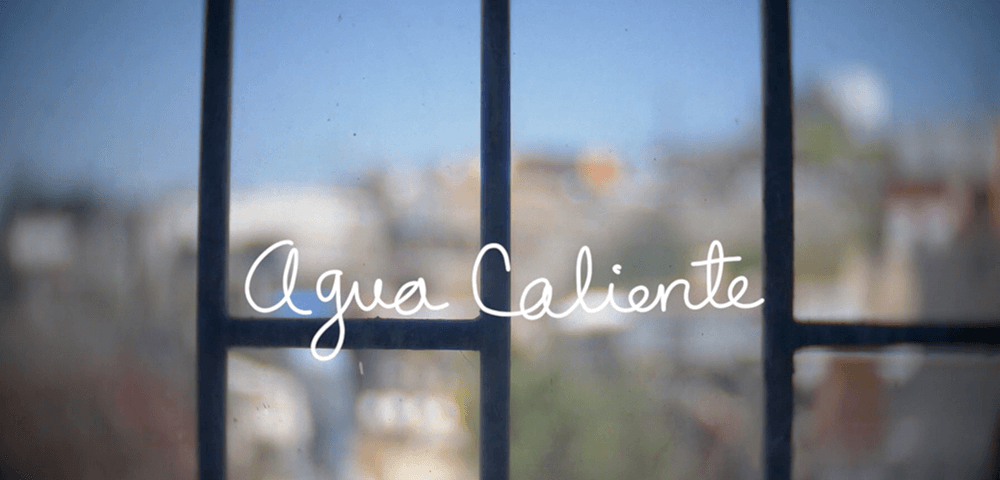
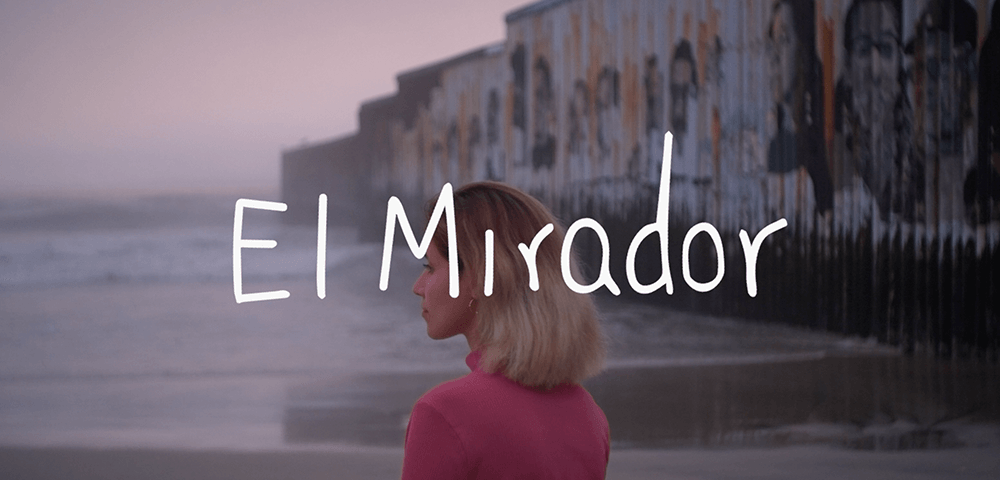
LOS FUNDADORES (2021) follows three university students whose education is put on pause due to government corruption and student protests. Filmed in locked, long shots, this debut feature demonstrates Hernández’s preternatural understanding of compositional values and human relationships. AGUA CALIENTE (2022) is a pandemic film, but of a tender and subtle sort. The film examines the relationship between the filmmaker and his mother during lockdown — a broken boiler throws a wrench in their day-to-day rituals. EL MIRADOR (2024) –– Hernández’s longest film to date at 76 minutes — takes his interest in Tijuana’s history and arts-community in a new direction. Charting the relationship between two improv actors who are hired to star in a rich kid’s film about cartel violence in Tijuana, the film offers a smart satire of tired tropes in Mexican cinema.

LOS FUNDADORES
(THE FOUNDERS)
dir. Diego Hernández, 2021
Mexico. 62 mins.
In Spanish with English subtitles.

SUNDAY, MAY 4 – 5 PM
THURSDAY, MAY 8 – 7:30 PM followed by remote Q+A with Diego Hernández
SATURDAY, MAY 17 – 5 PM
MONDAY, MAY 26 – 7:30 PM

GET TICKETS

Diego (Hernández) and Andres (Madrueño) make doors for a living. Both of their artistic pursuits are on pause because Tijuana’s public university is on strike and cultural budgets are nil. At some point, Andres meets an actress-cum-taco vendor named Renee (Ortiz). They rehearse for a play together. THE FOUNDERS won a Silver Puma for Best Mexican Film at FICUNAM in 2021 and Special Mention in the Premier Film Competition at FIDMarseille.

AGUA CALIENTE
(HOT WATER)
dir. Diego Hernández, 2022
Mexico. 64 mins.
In Spanish with English subtitles.

MONDAY, MAY 5 – 7:30 PM
WEDNESDAY, MAY 14 – 7:30 PM followed by remote Q+A with Diego Hernández
FRIDAY, MAY 23 – 5 PM
TUESDAY, MAY 27 – 7:30 PM

GET TICKETS

Diego (Hernández) and his mother, Graciela (Rodríguez), share a home together during the Covid-19 lockdown. Diego interviews his mom to fend off boredom. Together, they carry out chores. A broken boiler interrupts their life. Melissa (Castañeda), Diego’s girlfriend, and her impending birthday force Diego to reconsider a lot of decisions in his life.

EL MIRADOR
(THE VIEWPOINT)
dir. Diego Hernández, 2024
Mexico. 76 mins.
In Spanish with English subtitles.

MONDAY, MAY 5 – 10 PM
SUNDAY, MAY 18 – 5 PM followed by remote Q+A with Diego Hernández
WEDNESDAY, MAY 28 – 7:30 PM
SATURDAY, MAY 31 – 5 PM

GET TICKETS

Annya (Katerina) and Guillermo (López) are two aspiring actors unsure about what the future has in store for them. Annya works as an uber driver. Guillermo works at a call center. A misunderstanding leads them to star in a film about Tijuana that explores the city’s uptick in violence during the 2010s. It’s a bit of a goof, but a real opportunity.

all films screening with

CALLEJONES
(ALLEYWAYS)
dir. Diego Hernández
Mexico. 13 mins.
In Spanish with English subtitles

In 13 minutes, Hernández relates three stories about three different film screenings. A skeleton key of sorts for the rising filmmaker, as well as a terse and poetic look at his life and hometown. Musical interludes complement his reminiscing.

Special thanks to Diego Hernández.

Contours Presents VALI: THE WITCH OF POSITANO

VALI: THE WITCH OF POSITANO
Dir. Sheldon Rochlin and Flame Schon, 1967
United States / United Kingdom / Italy, 62 mins
In English

WEDNESDAY, APRIL 30 – 7:30 PM

TICKETS

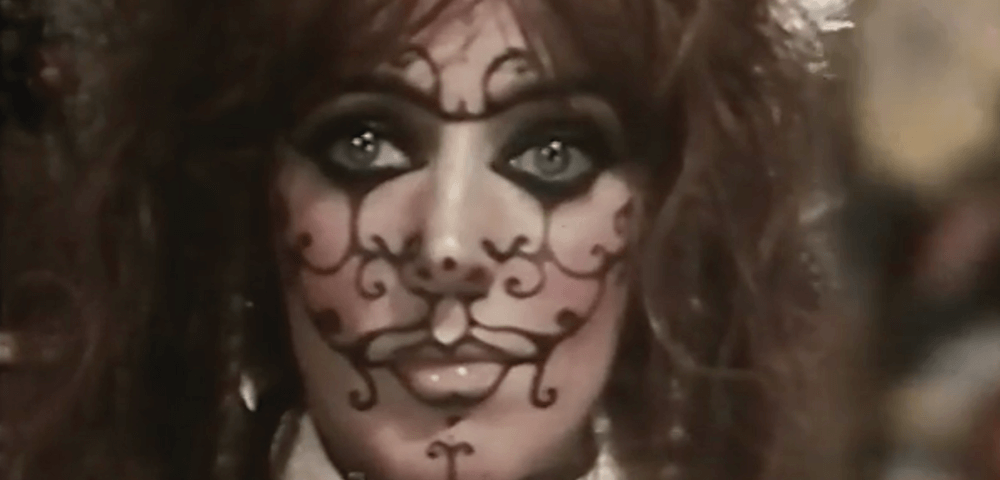
It is in the bohemian’s nature to be a multihyphenate—or in the multihyphenate’s nature to be bohemian. Take Vali Myers, an Australian artist, dancer, and occultist, and self-proclaimed “creatrix.” She’s the captivating subject of Sheldon Rochlin and Flame Schon’s 1965 documentary Vali: The Witch of Positano. Instantly recognizable by her shock of red hair, facial tattoos, gold teeth, and kohl-lined eyes, Myers procured art related to her many talents: surreal, fluid paintings and drawings which revolved around primogenial magic and femininity, often depicting arcane supernatural figures. Myers was born in Sydney in 1930 to a merchant navy officer and a violinist, and by age 14 she had moved to St. Kilda, where she worked in factories and as an art model to pursue dance, her main passion beyond drawing.

By 17, Myers was lead dancer of the Melbourne Modern Ballet Company, and two years later she boarded a ship to Paris. The city was ravaged by war, and Myers, unable to find work, fell into a subculture of refugees, writers, and artists. (During this time, Dutch photographer Ed van der Elsken photographed her for his seminal roman à clef Love on the Left Bank and made her the lead of his 1972 film Death in Port Jackson Hotel.) Myers was imprisoned multiple times for vagrancy and eventually expelled from Paris, only to return years later, at which point her artwork was discovered by The Paris Review‘s George Plimpton (a portfolio of her drawings ran in the magazine’s spring 1958 edition).

Flitting between Europe, Melbourne, and New York, Myers developed an artistic network, associating with figures like Abbie Hoffman and Patti Smith, and was encouraged to exhibit her talents by Andy Warhol and Salvador Dalí. After leaving Paris to quell her opium addiction, Myers settled in Positano in Southern Italy, where her cottage by the sea became a wildlife sanctuary, as if plucked from a fairy tale. Several films were made about Myers and her artistry, including Death in Port Jackson Hotel, Vali’s World (1984), Vali’s Diary (1984), The Tightrope Dancer (1989), and Painted Lady (2002), but none were as local to the most earnest slice of her life as Vali.

Spectacle is pleased to host Toronto-based critic and curator Saffron Maeve for a special event. Her series Contours is dedicated to films that thematize arts like painting, sculpture, sketching, and performance. In Rochlin and Schon’s hourlong experimental documentary, we visit Myers at her Positano dwelling, where she is seen dancing, chatting with friends and visitors, rolling in bed with her lover, tending to animals, engaging in occult rituals, and briefly painting. The film hop-skips between reality and phantasm, acting as an affective archive for this nonconformist artist to play within. Dreams are indulged, fantasies are taken as fact, and oblique rituals make for hyperreality. It’s clear Myers’ flavor of celebrity is unusual, but the filmmakers tend to both her worldview and public perception, keeping in mind that art is rarely made consciously.

Special thanks to Saffron Maeve and filmmaker Flame Schon.

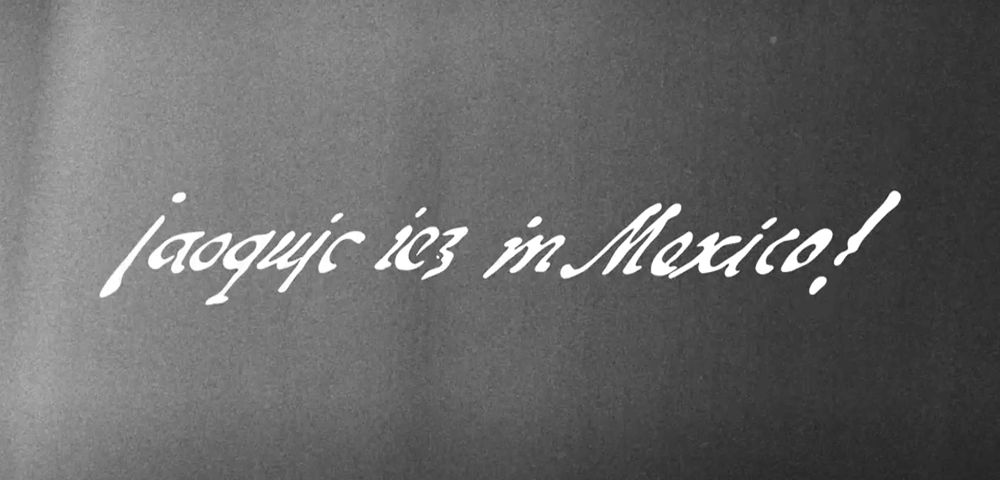
¡AOQUIC IEZ IN MEXICO!

CONTENT WARNING: This film contains flashing lights, which may not be suitable for those with photosensitive epilepsy, as well as explicit images of violence.

¡AOQUIC IEZ IN MEXICO!
(Mexico Will No Longer Exist!)
Dir. Annalisa D. Quagliata Blanco, 2024
Mexico, 80 min
In Nahuatl and Spanish with English subtitles

THURSDAY, APRIL 3 – 10 PM

TICKETS

Annalisa D. Quagliata Blanco’s debut feature explores the many violences and contradictions at the heart of Mexican history. Divided into five chapters, this quicksilver experimental documentary combines an analytical framework with exploded cinematic grammar to probe the origins of several Mexican myths and their relationship to the nation’s identity.

Per researcher Byron Davies, it was inspired by the work of Dziga Vertov and Teo Hernández, but Quagliata Blanco’s penetrating commentary on Mexican iconography and traditions also feels like a natural continuation of famed experimental filmmaker Rubén Gámez’s unique, underappreciated missives. Her work directly challenges foundational texts on Mexican identity, from early words by Spanish friars trying to make sense of the nation-to-be, to more recent musings from Octavio Paz. The film does not present Mexico’s heart so much as it shows the country’s bleeding wounds.

Special thanks to Annalisa D. Quagliata Blanco and Byron Davies.

Saul Levine: WHAT HEART HEARD OF, GHOST GUESSED

CONTENT WARNING: These films contain flashing lights which may not be suitable for those with photosensitive epilepsy.

Saul Levine does not stop. He is an uncompromising and relentless filmmaker whose work reflects his experimental verve. As far back as the 1960s, he has shown that film is a material object, that it can be twisted, warped, chopped, and stretched to produce immersive and challenging experiences. On April 4, we are pleased to host Levine—alongside a troupe of filmmakers and thinkers close to him—for a night honoring his legacy.

In addition to the impressive body of work Levine has assembled over the decades, he has imparted a love and understanding of experimental filmmaking to younger generations as a professor at the Massachusetts College of Arts and Design, among them Annalisa D. Quagliata Blanco. Her work championing his films, alongside Byron Davies and Lumia Lightsmith, led to the presentation of a Saul Levine Retrospective that toured Mexico last year. Tonight we present an abridged version of that retrospective, with Levine in person to discuss his work.

The program notes for the Saul Levine retrospective in Mexico are available here.

All 16mm prints are from Levine’s personal collection.

FRIDAY, APRIL 4 – 7 PM

TICKETS

STAR FILM
1969, 15 mins, 16mm

“I began this film in 1968. I had painted, scratched, scraped and bleached film since I began making films in 64/65 mainly in regular 8 and usually with photo-chemical representations. In this film I decided to paint and bleach 16mm clear and black leader thinking from the beginning that I was making an emulsion that light would shine through. I was making both positive and negative images that could be contact printed. The film is made from a painted and bleached original a little over 100 ft that has been contact printed onto b&w and color positive and negative film. I used stars, circles and crescents to ground the viewer and make clearer the meditation on positive and negative space. I also wanted to make a completely camera-less film.” — Saul Levine

BIG STICK / AN OLD REEL
1973, 10 mins, 16mm

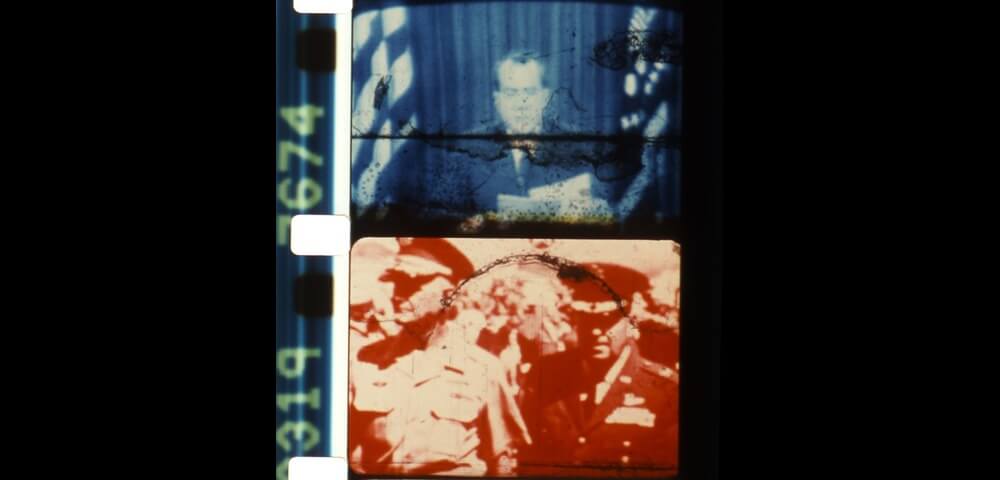
“Beginning in 1967, with roughly a dozen short films under his belt, Levine spent six years reediting 8-mm prints of the Chaplin shorts Easy Street (1917) and In the Park (1915), incorporating television images of an antiwar protest in which the Boston filmmaker participated. The result was The Big Stick/An Old Reel (1967-73), his self-tutorial in montage, the ascesis of narrative, and the beauties of caustic rhythms. In the early stages of that work’s construction, Levine was teaching filmmaking at Tufts University, in Medford, Massachusetts, but he would soon be fired, if not specifically for his role in occupying a campus building during a protest over the dismissal of an African-American secretary, then for his political activism generally.” — P. Adams Sitney

NEW LEFT NOTE
1982, 27 mins

“‘New Left Note is a study of radical politics in radical film form.” — Marjorie Keller

IS AS IS
1991, 3 mins, 16mm

“A portrait of a mother with her arms full in the backyard bathing her twin babies. As if the early spring light sings and dances. Later the father cooks a fish. Marjorie Keller is the mother.” — Saul Levine

FIVE-MINUTE INTERMISSION

AS IS WAS
1995, 4 mins, 16mm

“This film was shot the same weekend as Z (Zee Not Zed), when Stan Brakhage was visiting University of Rhode Island, where Marjorie Keller was teaching at the time. They get some coffee, then go for a walk on a beach in an old whaling harbor.” — Saul Levine

FALLING NOTES UNLEAVING
2013, 13 mins, 16mm

Falling Notes Unleaving is made from footage gathered in the fall of 2012 and edited in early 2013. Anne Charlotte Robertson, friend and fellow Super8 filmmaker, died. I attended her funeral and filmed the burial of her ashes. She was famous for her diary films and I thought it important to honor her work by filming an event that she could not. The burial took place in a wonderful old cemetery in Framingham, Massachusetts, which lightened a sad event. The film also includes footage shot in the mountains outside of Portland and the streets of Cambridge and Somerville in Massachusetts. It is not a diary. The title and the film reflect Gerard Manley Hopkins’ poem ‘Spring and Fall.’ Luther Price, Bob Brodsky, Tara Nelson, Gordon Nelson, Liz Coffey, Heather Green, her daughter Rosealee, her dog Blue, and many other people and animals appear in this film.” — Saul Levine

NOTE TO PATI
1969, 7 mins, 16mm

“Note on snowstorms in February-March ’69. The restoration of the landscape begun to show friends on west coast violent beauty of this period. Childhood memories, snowball fights, sledding, etc., and how I felt about Medford where I live kept entering into the film. The principal birds in the film are the blue jay and the crow, both beautiful, smart and ruthless.” — Saul Levine

LIGHT LICKS: PARDES: COUNTING FLOWERS ON THE WALL
2018, 13 mins, 16mm

Light Licks are a series of films I began in 1999. The films are made frame by frame, often by flooding the camera with enough light to spill beyond the gate into the frame left unexposed. Light Licks are ecstatic flicker films inspired by jazz and mystic visionary practice, and extend my interest in the ways film can be a medium of visual improvisation. ‘Pardes’ is the ancient Persian word for walled garden. In Hebrew and Aramaic it means paradise, heaven, the garden of Eden, the peak or terminus of ecstatic visionary, trance, flight, wild flowers, morning glories, an urban jungle an eden for a petite Tyger.” — Saul Levine

LIGHT LICKS: AMEN
2017, 6 mins, 16mm

“A stark portrait of my father at daily morning prayers, to which I respond, AMEN.” — Saul Levine

NOTE TO TETSUA
2018, 1 min, 16mm

Moon flight
loud silence
soft dark
hard light
a Ray o gram
made with a camera
out of sight
— Saul Levine

Special thanks to Saul Levine, Byron Davies, Lumia Lightsmith, Stephen Cappel, and Kathy Del Beccaro. Davies and Lightsmith co-programmed this screening, in addition to adapting and writing the program notes. Davies’ research project, “Materialism and Geographic Specificity in the Philosophy of Film,” forms the basis for these screenings, which are supported by Salón de Cines Múltiples. Additional support was provided by Laboratorio Experimental de Cine.

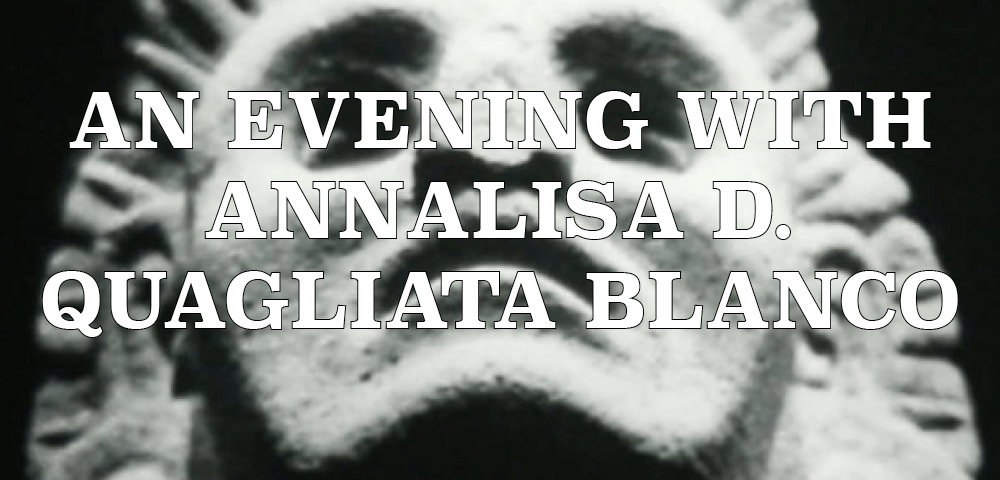
An Evening with Annalisa D. Quagliata Blanco

CONTENT WARNING: These films contain flashing lights which may not be suitable for those with photosensitive epilepsy, as well as explicit images of violence.

Annalisa D. Quagliata Blanco has built an impressive body of work over the last two decades. Her frenetic and direct cinematic practice melds an interest in formal experimentation with political intervention. Her feature debut, the audacious and refreshingly unusual ¡Aoquic iez in Mexico! (2024), will have its own Spectacle screening, but her earlier shorts constitute their own powerful block of cinematic assaults on the traditions of the medium, Mexican society, and the passive spectator. Quagliata Blanco will present her entire filmography, from work she developed at the Massachusetts College of Art and Design under the tutelage of experimental film luminaries like Saul Levine, to her more recent pieces which anticipate the political fury of her feature.

THURSDAY, APRIL 3 – 7:30 PM

TICKETS

LA OTRA PIEL
2015-2017, 9 min, 16mm

A collection of seven handmade shorts from the beginning of Quagliata Blanco’s career. Demonstrating an emphasis on texture, these films reflect her incipient interest in film as material, and in material as an inherently expressive matter.

CALYPSO
2016, 5 min

Inspired by The Odyssey, Quagliata Blanco crafts a cinematic portrait of the nymph Calypso. Not beholden to the specifics of mythology, she offers a sensuous and surprising queer reinterpretation of the classic.

SE BUSCA (UN MAR DE AUSENCIA)
(Searching for (a sea of absence))
2016, 2 min

Se busca roughly translates to “wanted” in English, but “searching for” is perhaps more fitting within the context of Quagliata Blanco’s film and the ongoing crisis of missing women in Mexico. This short compiles 50 images of missing women, whose “Se Busca” posters are circulated in efforts to find them.

FIN ES UNA PELÍCULA MEXICANO
(The End – A Mexican Movie)
2016. 3 min

Juan Bustillo Oro’s Dos Monjes (1934), a classic of Mexican cinema, is an expressionist work about fraternal hate and masculine violence. This short focuses explicitly on the murdered female protagonist at the heart of Dos Monjes. It’s both a work of criticism and a revelation of Mexico’s age-old violence against women.

CRISÁLIDA
(Chrysalis)
2017, 3 min

A handmade film about metamorphosis. Typical of Quagliata Blanco, the content is as shapeshifting as its form.

A NUESTRO TIEMPO
(Closer to Our Time)
2018, 6 min

Quagliata Blanco turns to the archive once more. Here she samples images from Leobardo López Arretche’s landmark 1968 protest documentary El Grito to stress the unresolved promises of the 1968 cultural revolution in Mexico.

MY CELL PHONE
2018, 2 min

A fun (and troubling) investigation into people’s attachment to their phones.

Special thanks to Annalisa D. Quagliata Blanco.

A Tribute to Saul Levine, Luther Price, and the MassArt Film Society

FRIDAY, APRIL 4 – 10 PM

TICKETS

WARNING: These films contain flashing lights which may not be suitable for those with photosensitive epilepsy.

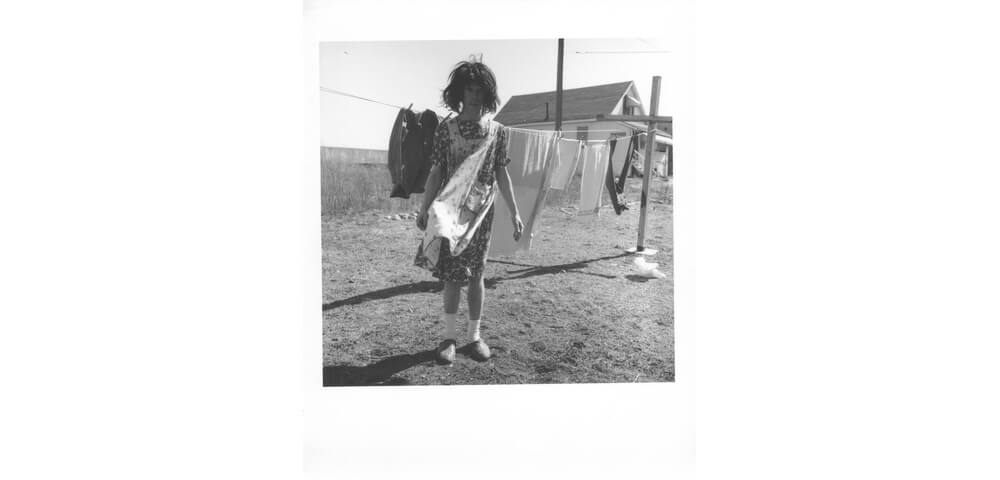
Destiny supplants space and time as La Cueva, Spectacle, and the MassArt Film Society become perfectly superimposed. The show begins with a vintage Super 8 print of Warm Broth (1988), one of Luther Price’s most iconic films from his period of films made under the moniker “Tom Rhodes,” while also highlighting the participation in that film of Laurie McKenna, a former student of Levine and friend + collaborator of Price whose video Why the Long Face (1997) we will also screen. By rendering tribute to Levine, we will also attend to his own talents at rendering tribute to others: to Marjorie Keller, Anne Charlotte Robertson, to Stan Brakhage, to his Father, and—especially in this program—to Luther Price (aided in this tribute by short films by Laurie McKenna, Annalisa D Quagliata Blanco, and Linnea Nugent). Not for the only time in this retrospective, these artists will go searching for each other in that most interstitial space of transit: dreams.

The program notes of the Saul Levine retrospective in Mexico are available here.

WARM BROTH
Dir. Luther Price/Tom Rhodes, 1988
35 mins, Super 8mm
Print provided by Canyon Cinema.

“Everything will be ok, just close
your eyes little thing
go to sleep little fuck
feel my hand on your warm
forehead
It’s cold isn’t it? Ice cold.

“Dream of something real sweet
for mommy
Mommy likes sweet things
Dream of a merry-go-round and
cotton candy

“Mommy’s hand got all warm
resting on your tiny head
See, look at mommy’s hand
It got all warm now

“You’re running a slight fever
Mommy will get you some
water
And you’re running a slight
fever

“Little fuck don’t have to go to
school tomorrow
but no playing in the yard
Someone could see you
And I’ll be an unfit mommy
You’ll have to stay in all day

“but now, dream of the prettiest
flower for mommy
I’ll make you oatmeal first thing
And you could tell me the color
of the –
prettiest flower.”

-Luther Price/Tom Rhodes

WHY THE LONG FACE
Dir. Laurie McKenna, 1997
26 mins

A former student of Levine and collaborator and friend of Price, McKenna made this short about Nancy Luce, a desperate, creative, Martha’s Vineyard oddball of the mid 1800s. Using old photographs, puppets, toy models, and off-the-cuff footage, McKenna creates a lonely work as daring and personal as that of her teachers and peers.

GOODTIME CHARLIE BIRTHDAY
Dir. Laurie McKenna, 1997
2 mins

A film of stuffed animals, haunted by a lullaby. Much like Price, McKenna makes visible the horror hiding beneath the surface of familiar American scene audio: rehearsal cassette recording, vocals: Laurie and Tom Rhodes (Luther), the Fabulous Turquoise Rain and Shines, 1987.

AGGREGATE
Dir. Laurie McKenna, 2020
6 mins

McKenna’s pandemidiario conjures desert punk powering the aggregate of memory and charcoal and grounds national rupture in a sonic package.

“A whole formed by combining several (typically disparate) elements” – Laurie McKenna

OUTCRY (FOR LUTHER)
Dir. Annalisa D. Quagliata Blanco, 2015
1 min

“Luther Price’s handmade film work demonstrated the vagaries of trauma internal to the medium itself: the simultaneously world-destroying and world-repairing possibilities of unmaking and remaking of the body of the film strip. Annalisa Quagliata has taken up the lessons of Price’s handmade film course at MassArt, maintaining their queer resonances while reshaping them with the perhaps unanticipated application to the unmaking and remaking of myths of the Mexican body politic. This 2016 tribute to Luther Price, made in that same MassArt course before Quagliata’s return to Mexico, reminds us of the facilitating possibilities of the body in disintegration. A 16mm optical sound bar is the skeleton on which it all hangs.” – Byron Davies

WAS ONCE ONE
Dir. Linnea Nugent, 2023
3 mins

“Was Once one is the auditory artifact of since lost Luther Price speaking on what was once one film that belonged as two.” – Linnea Nugent

CRESCENT
Dir. Saul Levine and Pelle Lowe, 1993
5 mins, Super 8mm
Print provided by Saul Levine.

“A conversation with Pelle Lowe.” – Saul Levine

SCHMATEH IV & SCRAPE
Dir. Saul Levine, 1986
8 mins, Super 8mm
Print provided by Saul Levine.

Two portrayals on one reel. A Portrait of Pelle Lowe and A Portrait of Laurie McKenna aka Bud Scrape.

READY-MADE
Dir. Saul Levine and Pelle Lowe, 1993
4 mins, Super 8mm
Print provided by Saul Levine.

“A film made by Pelle Lowe and myself, READY-MADE is a single work in itself, and also exists as part of a series of works that Pelle and I made reflecting on Manet’s painting OLYMPIA, including it’s reception, it’s relationship to painting, sex work, imperialism, the Paris Commune, sex, drugs and rock roll, ect.” – Saul Levine

Special thanks to Annalisa D. Quagliata Blanco, Saul Levine, Byron Davies, Lumia Lightsmith, Stephen Cappel, Nicolas Cadena, Mono No Aware, and Kathy Del Beccaro.

Davies and Lightsmith co-curated this screening, in addition to providing the program notes. The banner and poster image for this program come courtesy of David Michael Curry, who participated in the filming of Warm Broth. Davies’ research project “Materialism and Geographic Specificity in the Philosophy of Film” forms the basis for these screenings, which are supported by Salón de Cines Múltiples.