

Although best known for the serials PENNIES FROM HEAVEN (1978) and THE SINGING DETECTIVE (1986), British playwright Dennis Potter created a huge and varied body of work that places him among the most important television auteurs of the twentieth century. Emerging from the same fertile production environment that cultivated the early “kitchen-sink realism” of Mike Leigh and Ken Loach, Potter’s early TV plays took a more fractured and elliptical approach to similar socially conscious subject matter, while also developing his consistent themes: arrested development, repressed sexuality, the mundanity of postwar life, and the cruelty of human nature. Often blending fantasy and reality and incorporating musical numbers as the main characters’ only means of escape from the misery of their own existence, these three early, criminally underseen plays show Potter coming into his own as a unique and acerbic talent — and are, in many ways, far more personal and scathing than the better-known work that followed.
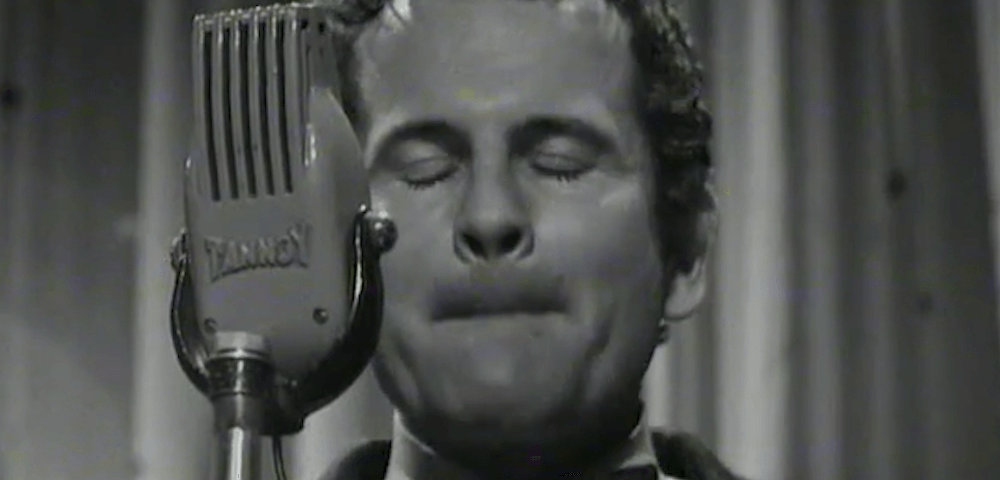
MOONLIGHT ON THE HIGHWAY
dir. James MacTaggart, 1969
UK, 52 min.
TUESDAY, JULY 1 – 10 PM
FRIDAY, JULY 11 – MIDNIGHT
THURSDAY, JULY 17 – 10 PM
MONDAY, JULY 28 – 10 PM
A prominent Shakespearean actor for much of the 1950s and 1960s, Ian Holm had an early starring screen role as David Peters, an obsessive fan of 1930s crooner Al Bowlly. David collects Bowlly memorabilia, publishes a fan-club newsletter, and finds solace in lip-syncing to his records. Through sessions with a psychiatrist, David’s painful past is reopened, leading to a dramatic climax at a meeting of the Al Bowlly Appreciation Society. MOONLIGHT ON THE HIGHWAY is Potter’s earliest exploration of one of his signature motifs: popular culture as a conduit to escape personal trauma. Told non-linearly through flashback and musical numbers, the play most acutely foreshadows THE SINGING DETECTIVE in style and form, and features a remarkably nuanced and sensitive performance from Holm, whose subsequent roles as primarily a character actor rarely offered a showcase for his talents.

SCHMOEDIPUS
dir. Barry Davis, 1974
UK, 67 mins.
TUESDAY, JULY 8 – 7:30 PM
TUESDAY, JULY 15 – 10 PM
FRIDAY, JULY 25 – MIDNIGHT
Elizabeth Carter (Anna Cropper) is a mild-mannered housewife in a lifeless relationship with her emotionally impotent husband Tom (John Carson), a train engineer. Their mundane existence is disrupted when a mysterious young man named Glen (Tim Curry) arrives at their doorstep, claiming to be the long-lost son Elizabeth had given up for adoption years earlier. As Glen digs his claws deeper and deeper into Elizabeth, secrets from her past are slowly unravelled with a mix of comedy, horror, and surrealism calibrated by Potter with perfect burrowing unease. Curry has rarely been as unhinged and manic, and Cooper matches him in her fearlessness, making for an unsettling family portrait complete with semi-erotic serenade from son to mother that will make you want to take a nice long shower afterward.
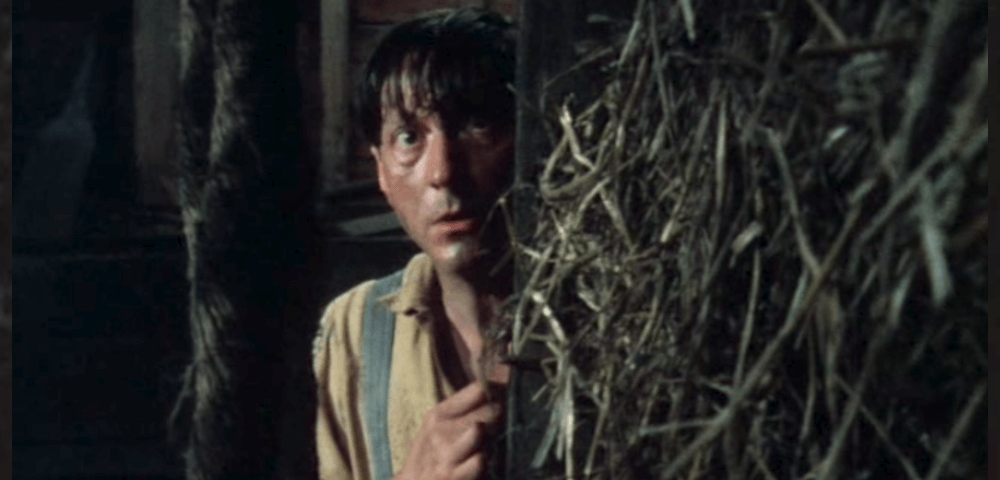
BLUE REMEMBERED HILLS
dir. Brian Gibson, 1979
UK, 72 mins
SATURDAY, JULY 5 – MIDNIGHT
FRIDAY, JULY 11 – 10 PM
MONDAY, JULY 28 – 7:30 PM
Perhaps Potter’s most autobiographical play, BLUE REMEMBERED HILLS follows a group of seven-year-old children as they explore the adultless countryside during the wartime summer of 1943. As the games the group play unfold, cliques form, and the stakes grow ever more dire. Potter’s own upbringing in the rural and remote Forest of Dean was a huge influence on his work, and here he uses the landscape and dialect of his native region to emphasize the hermetic nature of childhood worlds — worlds that can be more brutal and unforgiving than the adult one. Featuring adult actors playing children way before CLIFFORD and THE REHEARSAL (including Helen Mirren, the star of the same year’s CALIGULA), BLUE REMEMBERED HILLS feels like a spiritual ancestor to Michael Haneke’s THE WHITE RIBBON in anatomizing breakdown of society from the bottom up.